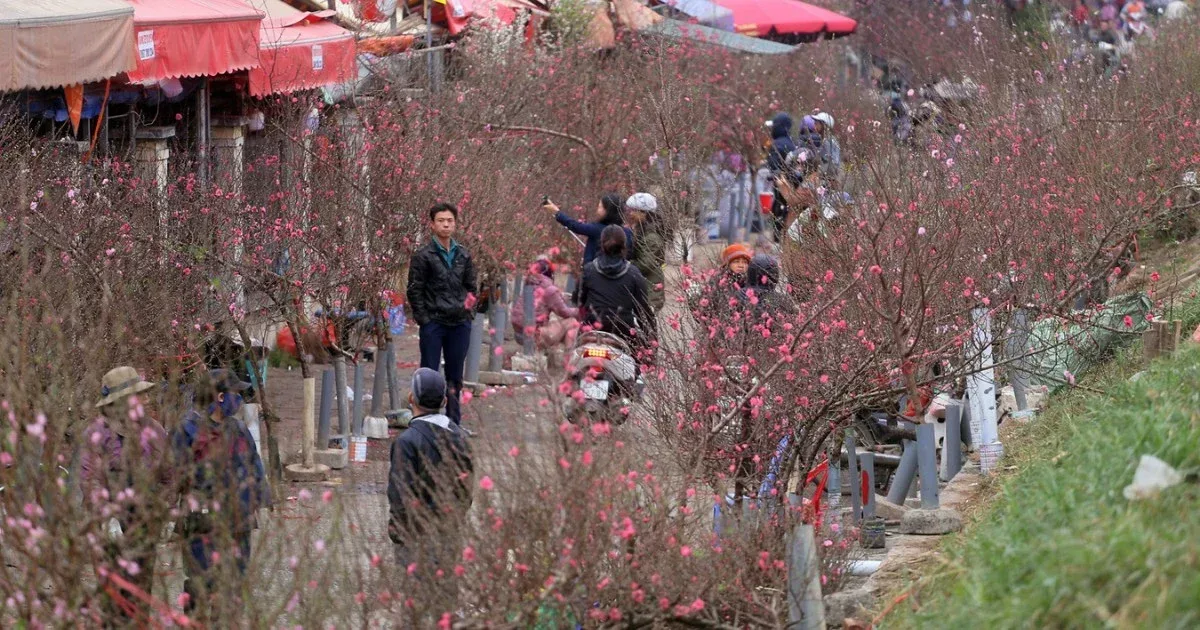
Vietnamese Tet culture is the crystallization of thousands of years of history, vividly reflecting the national identity and the spirit of reunion of the Vietnamese people. Through 15 traditional customs still preserved today, Hidden North Vietnam will join you in discovering the distinctive cultural values that make traditional Vietnamese Tet so captivating.
1. 15 Customs That Define Traditional Vietnamese Tet
1.1. The Ceremony to See Off the Kitchen Gods
According to the perpetual calendar, on the day of the Kitchen Gods (the 23rd of the twelfth lunar month), people believe the Kitchen Gods ride a carp up to the Heavenly Court to report to the Jade Emperor on all the good and bad events of each household over the past year.
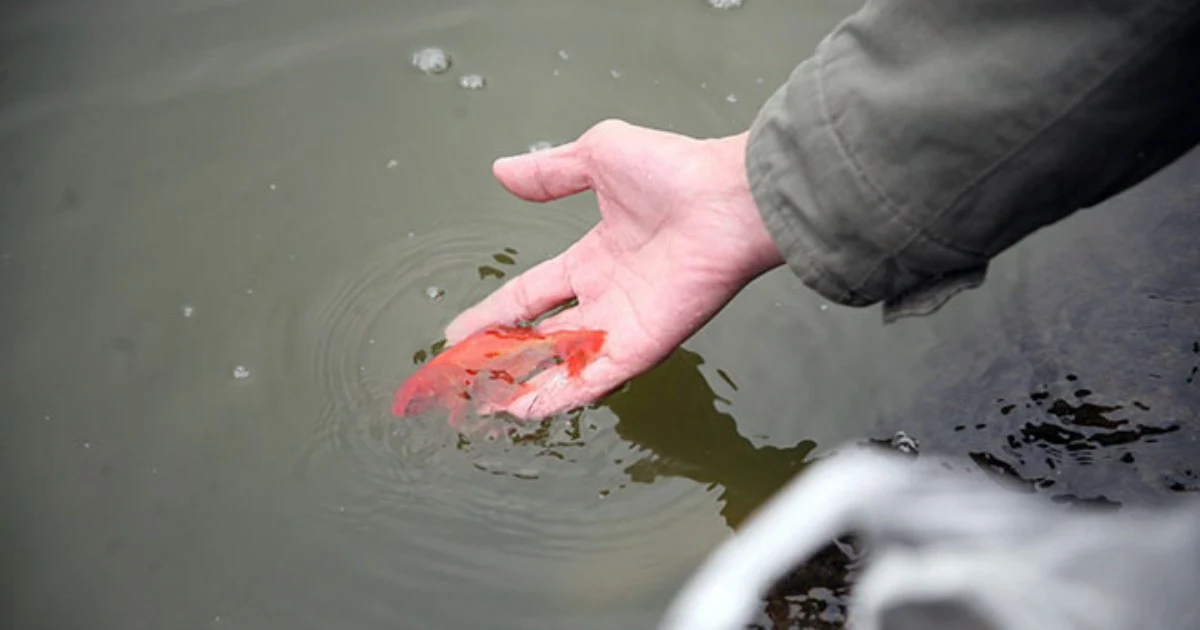
Figure 1: Releasing carp on the day of the Kitchen Gods Photo source: collected
According to folklore researchers, the Kitchen Gods are in fact a trio of deities (the Fate-Deciding Kitchen Gods), consisting of “two gods and one goddess”:
Tho Cong (Pham Lang): oversees cooking and the kitchen
- Tho Dia (Trong Cao): oversees the household
- Tho Ky (Thi Nhi): oversees markets and land
These three deities determine the household’s fortune and misfortune, ward off evil spirits, and keep the home at peace. Therefore, the offering ceremony on the 23rd of the twelfth lunar month carries the meaning of “bidding farewell to the old and welcoming the new,” seeing off the bad luck of the old year and welcoming good fortune in the new year.
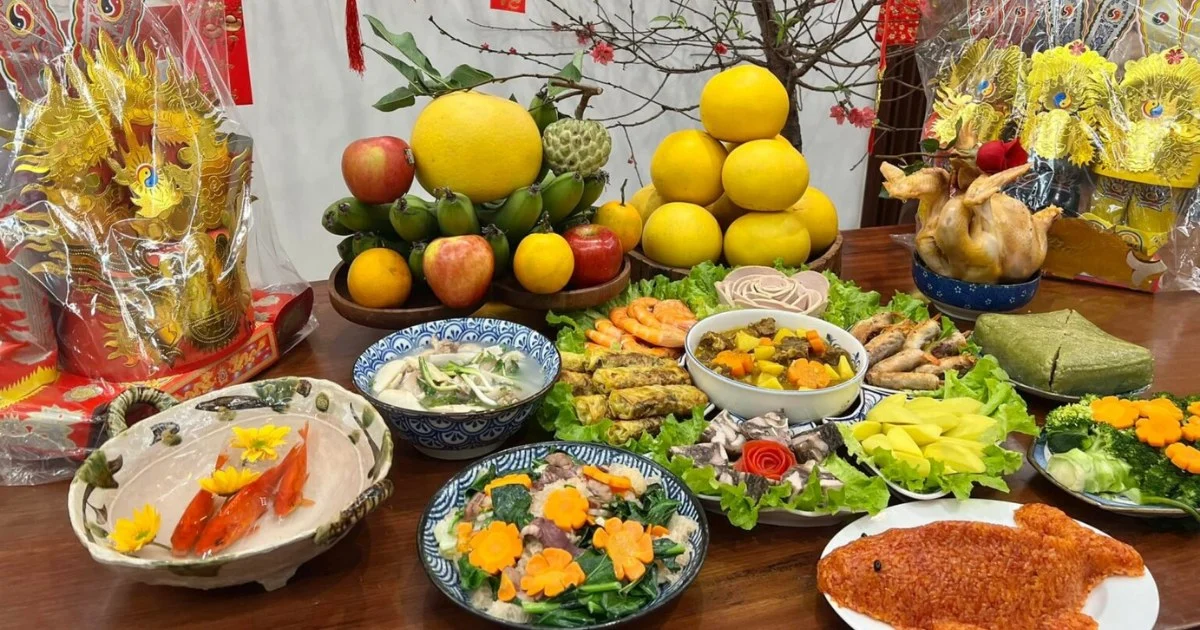
Figure 2: Offering tray for the Kitchen Gods Photo source: collected
By tradition, the offering ceremony is usually completed before noon on the 23rd of the twelfth lunar month. An indispensable offering is live carp, usually three fish placed in a basin of water, symbolizing the image of “carp transforming into a dragon” carrying the Kitchen Gods to heaven.
In addition, many families also prepare a set of Kitchen God hats and robes consisting of two hats for the male Kitchen Gods, one hat for the Kitchen Goddess, and a pair of paper sandals as offerings, expressing reverence and the wish for a favorable, abundant new year.
1.2. Cleaning and Decorating the House
In the days leading up to Tet, cleaning and decorating the house is not only a habit but also a beautiful cultural tradition of the Vietnamese people.
A clean, tidy, and cozy home is seen as a way of welcoming a peaceful and lucky new year. Besides cleaning, many families also rearrange their living space and get rid of old, broken, or unused items so the home feels more open and offers a sense of a fresh start.


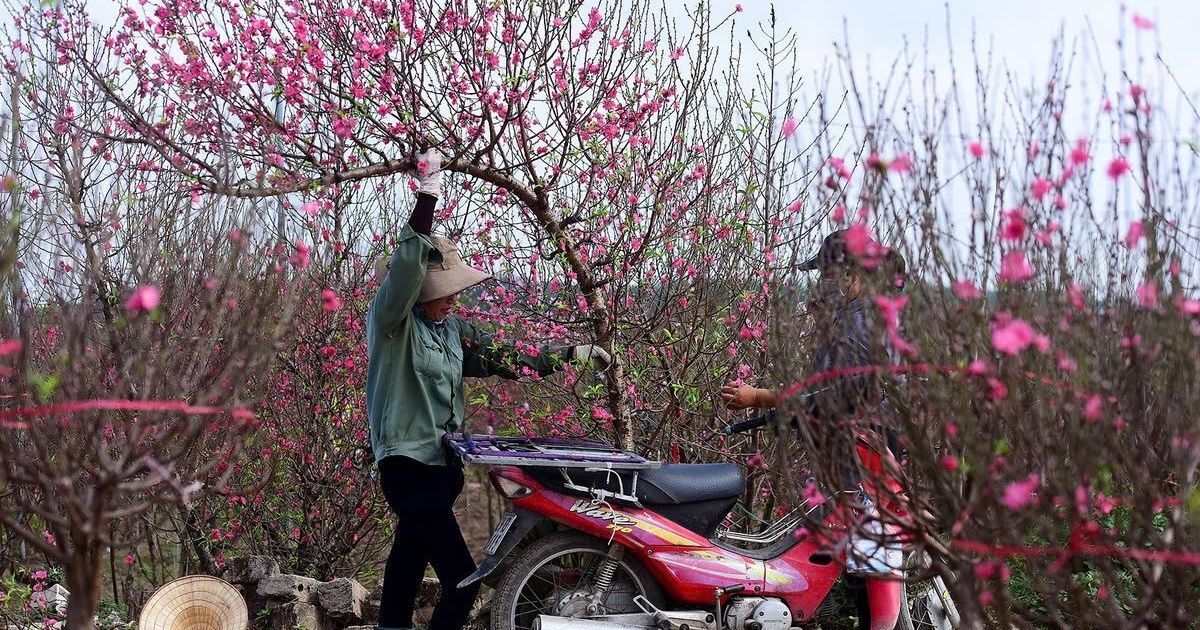

Figure 3: People eagerly choosing peach and apricot blossoms to decorate for Tet. Photo source: collected
To make the Tet atmosphere more vibrant, Vietnamese people often favor decorating their homes with bright colors such as red, yellow, and orange – colors that symbolize luck, fortune, and prosperity. A pot of apricot blossoms, a branch of peach blossoms, a kumquat tree, a vase of fresh flowers, or strings of decorative lights all help create a warm, lively space imbued with the flavor of traditional Tet.
1.3. Wrapping Banh Chung and Banh Tet – The Flavor of Traditional Vietnamese Tet
When it comes to Vietnamese Tet culture, the image of families gathering around a pot of banh chung and banh tet glowing with fire in the final days of the year is indispensable. More than just traditional dishes, banh chung and banh tet also symbolize togetherness, abundance, and the bond between generations within the family.
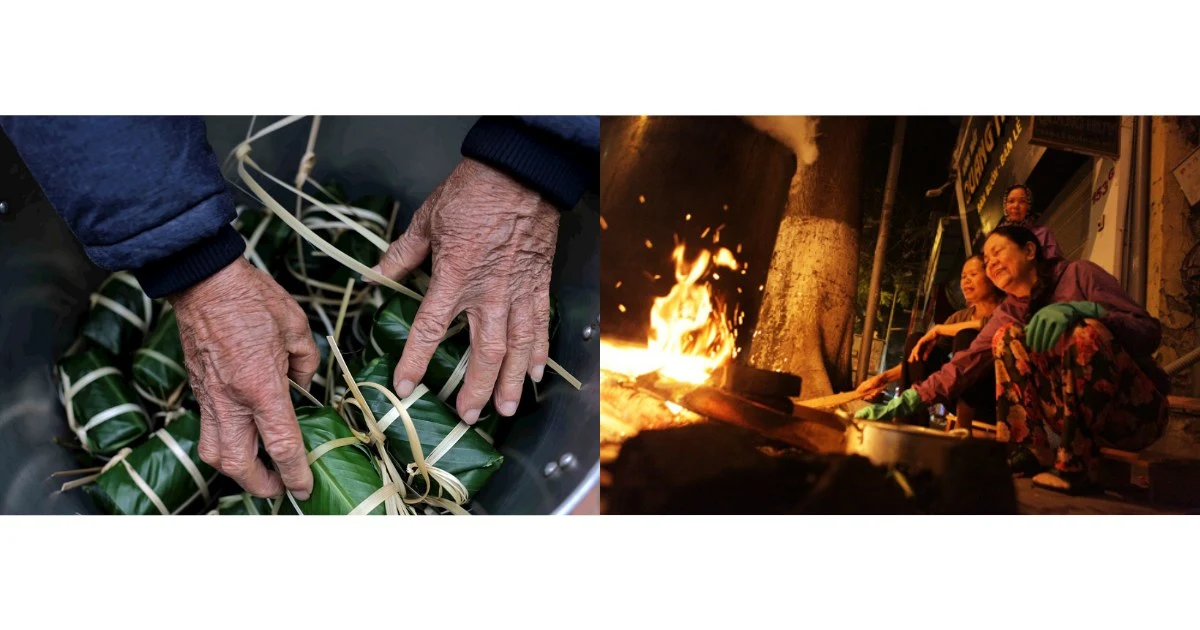
Figure 4: The atmosphere of preparing traditional banh chung in the days leading up to Tet Photo source: collected
This custom also expresses gratitude toward ancestors, reminding descendants of the legend of Lang Lieu during the Hung Kings era and the value of rice grains and wet-rice civilization. Each cake is placed on the ancestral altar as a tribute to one’s roots and a wish for favorable weather, prosperity, and happiness in the new year.
1.4. Arranging the Five-Fruit Tray
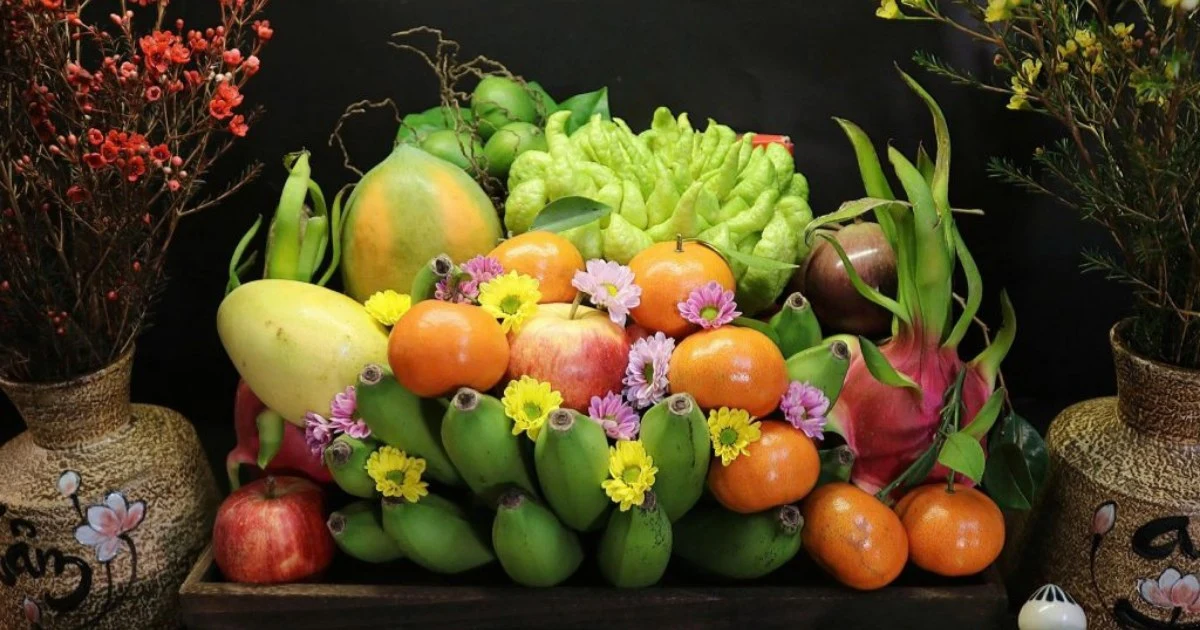
Figure 5: The five-fruit tray offered to ancestors during Vietnamese Tet. Photo source: collected
According to traditional belief, the number five symbolizes the Five Elements (Metal, Wood, Water, Fire, Earth) and the Five Blessings (Wealth, Nobility, Longevity, Health, and Peace), reflecting the harmony between nature and life.
The five-fruit tray is placed on the ancestral altar to express reverence and to convey wishes for a peaceful, lucky, prosperous, and abundant new year.
1.5. The Year-End Ceremony (Tat Nien)
This traditional Vietnamese ritual takes place in the late afternoon or evening of the 30th or 29th of the twelfth lunar month. It marks the closing of the old year, expresses gratitude to ancestors and deities, and is a warm family reunion meal on the eve of the new year.
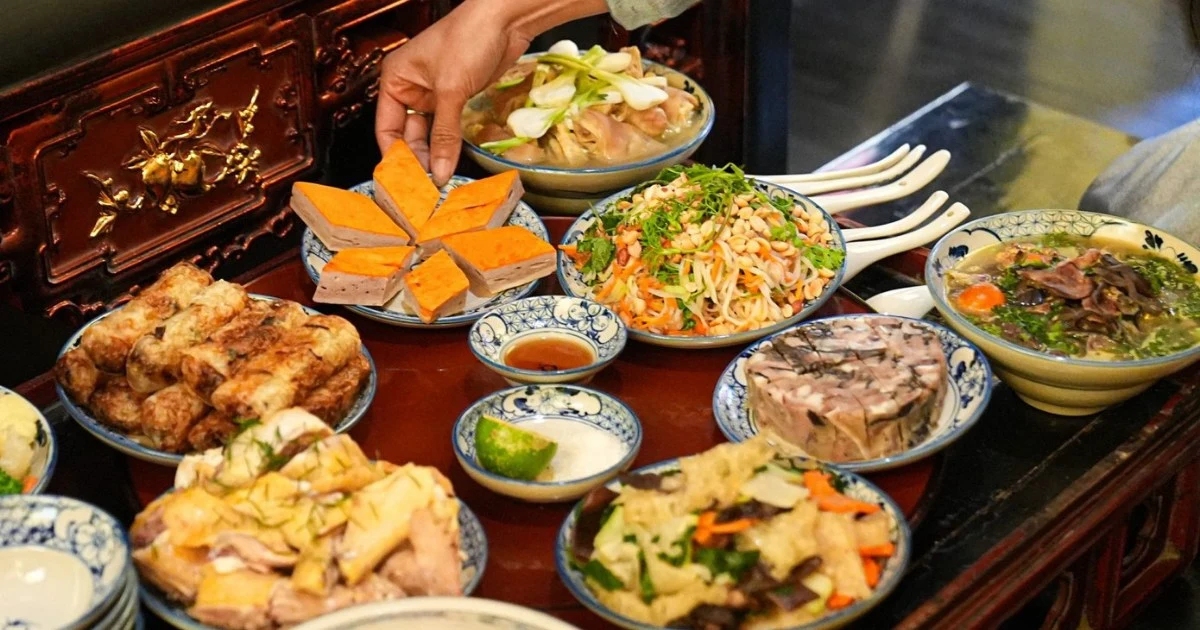
Figure 6: The Tat Nien offering tray can be a meat-based or vegetarian feast depending on each family’s custom and circumstances. Photo source: collected
1.6. New Year’s Eve (Giao Thua)
Giao Thua is the moment of transition between the old year and the new, when heaven and earth harmonize and every family gathers to see off the old year and welcome the new one.
According to folk belief, this is the moment to bid farewell to the deities of the old year and welcome the deities of the new year, praying for peace and good fortune.
On New Year’s Eve, many families prepare two offering trays: one outdoors for the deities and one indoors to honor their ancestors.
After the ritual, everyone welcomes the new year together in a spirit of reunion and watches dazzling fireworks, carrying hopes for a peaceful and happy new year.
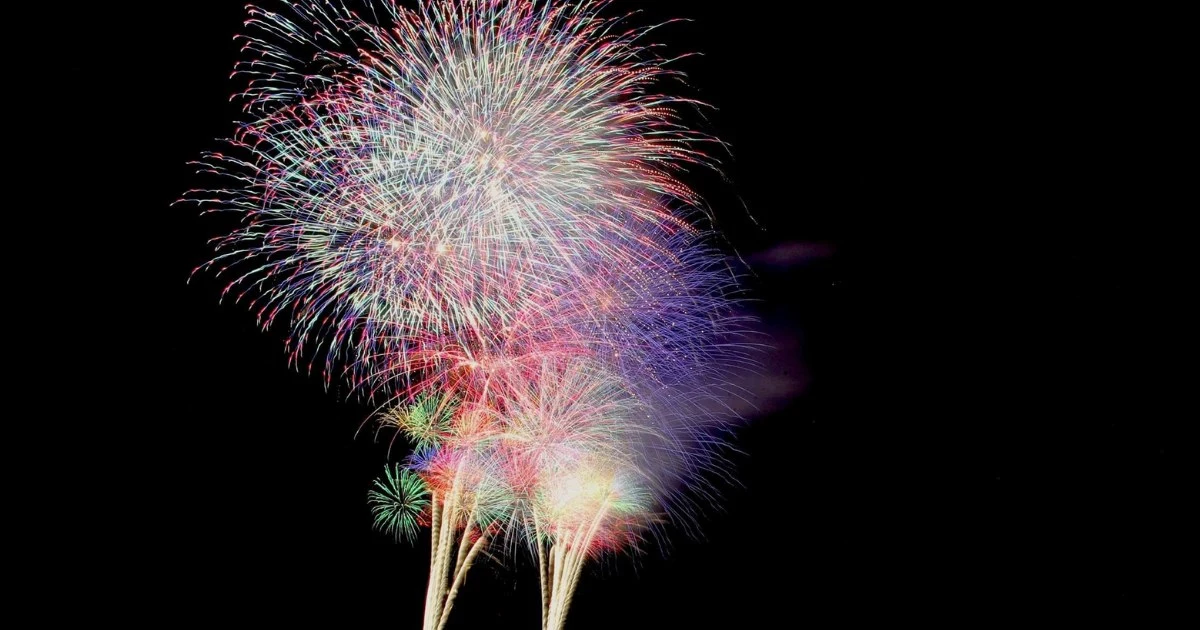
Figure 7: Fireworks welcoming the New Year during traditional Vietnamese Tet. Photo source: collected
1.7. The First Footing (Xong Dat)
Xong dat is an age-old custom in Vietnamese Tet culture, rooted in the belief that the first person to enter the house after the moment of New Year’s Eve will influence the household’s fortune for the entire coming year.
Therefore, many families choose a first-footer whose age is compatible, who has a cheerful personality, good health, and a favorable life, in order to bring good things
1.8. Tet Greetings and Lucky Money (Li Xi)
Tet greetings and lucky money are among the most eagerly anticipated customs in Vietnamese Tet culture. Since ancient times, adults have given children small-denomination coins along with wishes for good health, good behavior, and academic success.
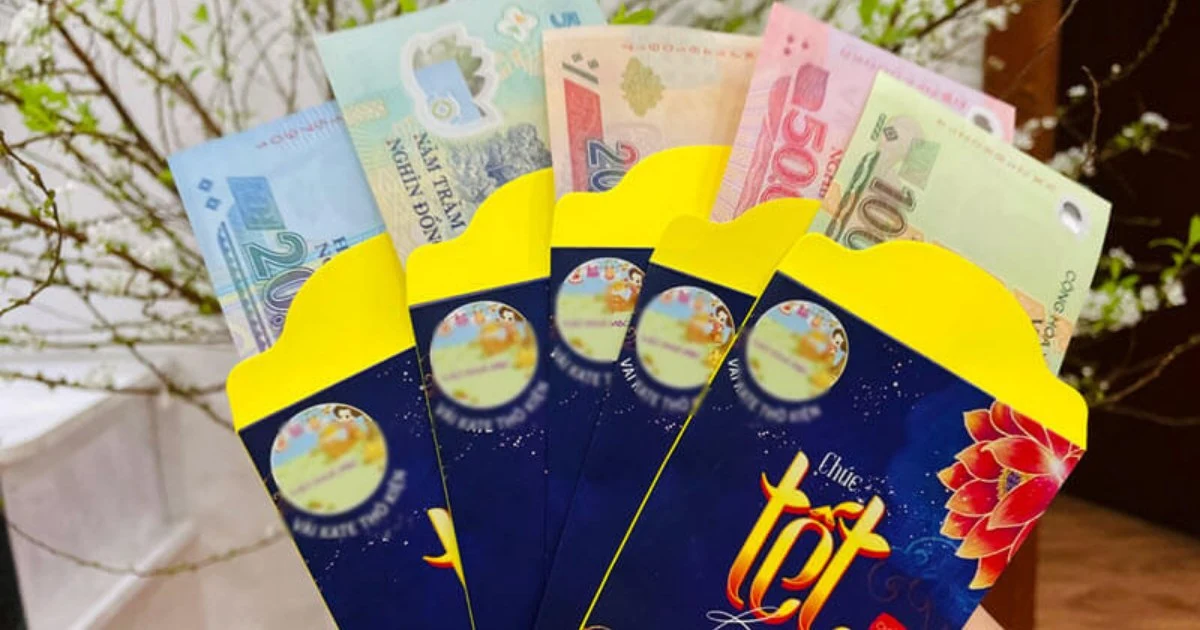
Figure 8: Lucky money for traditional Vietnamese Tet Photo source: collected
Today, coins have been replaced with paper money placed in red envelopes or envelopes in other lucky colors, carrying the meaning that money will “grow and multiply” according to folk belief.
1.9. Visiting the Pagoda at the Start of the Year – Praying for Peace and Luck
Unlike the simple pursuit of wealth and fortune, Vietnamese people see visiting a pagoda at the start of the year as an opportunity to find inner peace, turn toward good deeds, and live more positively.
Many pagodas across the country have also become attractive destinations, drawing large numbers of visitors on their journey to explore Vietnam travel each spring.
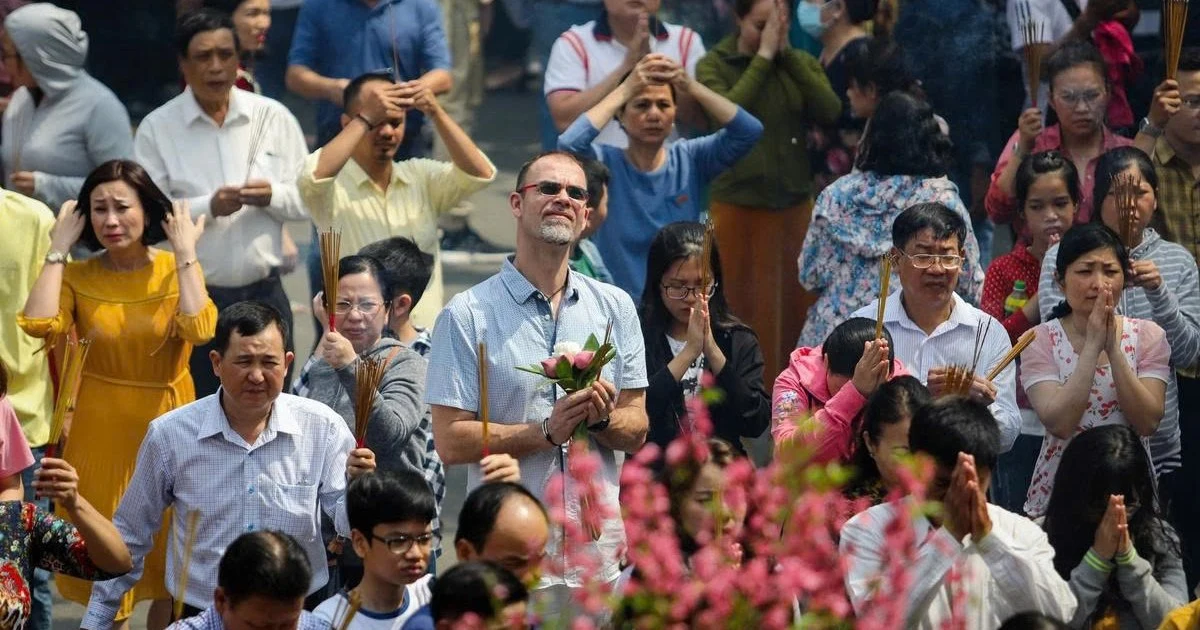
Figure 9: Burning incense to pray for peace and health at the start of the year Photo source: collected
1.10. The First Outing of the Year (Xuat Hanh) – A Favorable Start
According to folk belief, xuat hanh is the first time one leaves the house after the moment of New Year’s Eve or on the morning of the first day of Tet.
Vietnamese people often choose an auspicious time and a direction suited to their age, hoping for good luck, smooth work, and everything going as wished in the new year.
1.11. The First Writing of Spring (Khai But) – Expressing the Aspiration for Learning and Success
Khai but, the first writing of spring, is a custom that reflects the Vietnamese people’s deep respect for learning. In the early days of the new year, many people, especially students, teachers, and those in creative professions, write their first lines with the hope of a year of smooth study, work, and many achievements.
Today, the custom of khai but is not only for students but has also become a reminder for everyone to set new goals and keep striving in the new year. It is a beautiful tradition that helps enrich Vietnamese Tet culture.
1.12. Asking for Calligraphy Words in Early Spring – Preserving the Tradition of Respect for Learning
During Tet, many people seek out calligraphers to ask for words such as Happiness, Fortune, Longevity, Heart, Virtue or Peace, hoping to bring luck and motivation for the new year.
More than just a spiritual gift, each calligraphy piece also reflects the beauty of the art of writing and the nation’s tradition of respect for learning. For many travelers during their Vietnam travel, the image of a calligrapher writing amid the red hues of spring has become a distinctive symbol of traditional Tet.
1.13. Picking New Year’s Buds (Hai Loc) – Expressing Wishes for Good Luck
After visiting the pagoda on New Year’s Eve or on the morning of the first day, people pick a young branch or receive blessed items from the pagoda to bring home, hoping to welcome luck, fortune, and peace for their family in the new year.
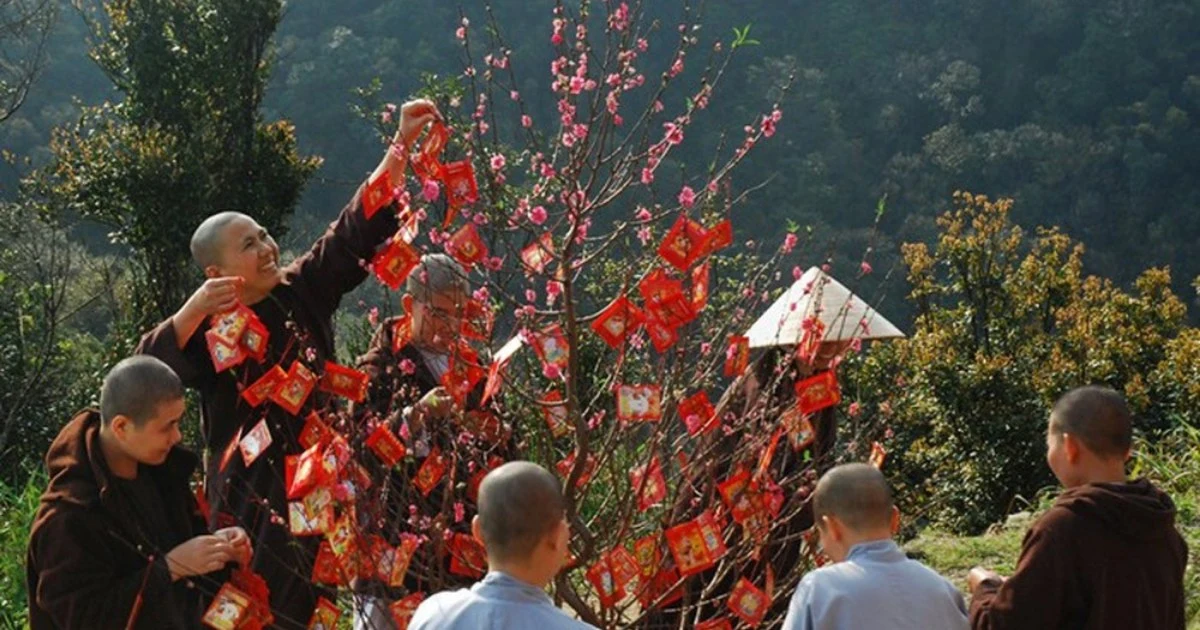
Figure 9: The pagoda prepares “loc” (blessed gifts) for Buddhist followers. Photo source: collected
Today, to protect the landscape and preserve the civilized meaning of the custom, many pagodas prepare branches or lucky money envelopes in advance instead of encouraging visitors to break tree branches themselves. This helps preserve the beauty of tradition and raise environmental awareness.
1.14. Visiting Ancestors’ Graves – Reflecting the Value of Remembering One’s Roots
Before or during the early days of the new year, many Vietnamese families have the custom of visiting and cleaning the graves of their grandparents and ancestors.
This is an occasion for descendants to express gratitude to those who have passed and to pray for their ancestors’ blessing of a peaceful and happy new year for the family.
This custom reflects the value of “when drinking water, remember its source”, a principle preserved through many generations.
1.15. The Gold-Burning Ceremony (Le Hoa Vang) – Closing Traditional Tet
The gold-burning ceremony, also known as the ceremony to see off grandparents and ancestors, is usually held between the third and seventh days of Tet, depending on regional customs.
According to folk belief, after spending days reunited with their descendants, grandparents and ancestors return to the spirit world, so families prepare an offering tray and burn votive paper to see them off with reverence.
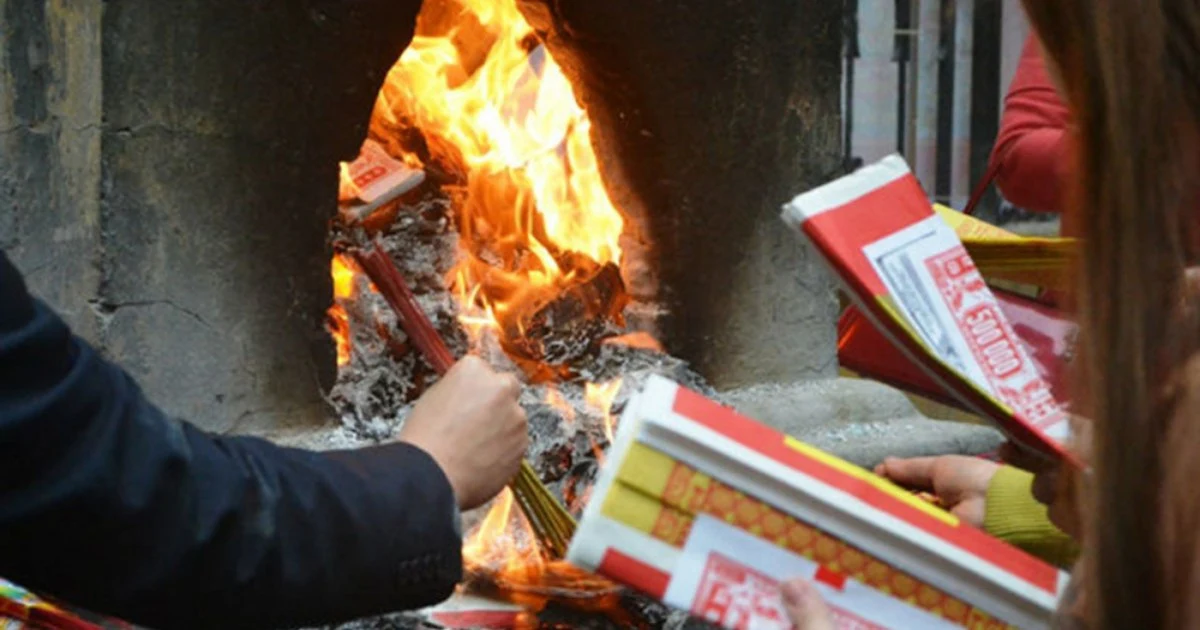
Figure 10: The gold-burning ceremony also carries the meaning of welcoming the gods of wealth and fortune into the family. Photo source: collected
2. The Meaning of Traditional Tet in Vietnamese Spiritual Life and Culture
Traditional Tet (Tet Nguyen Dan) is the most important holiday of the year for Vietnamese people, marking the transition between the old and new years according to the lunar calendar.
Not only does it open a new cycle of nature, but Tet is also a symbol of reunion, gratitude toward ancestors, and hope for a peaceful and happy new year. Over thousands of years of history, Vietnamese Tet culture has still been preserved as an inseparable part of spiritual life and national identity.
Traditional Tet is meaningful not only to Vietnamese people but has also become an appealing highlight of Vietnam travel. Many international visitors choose to come to Vietnam in spring to experience the festive atmosphere, explore traditional customs, and learn about the cultural life of local communities.
At destinations rich in identity such as Tuyen Quang travel, visitors also have the chance to immerse themselves in early spring festivals, enjoy traditional cuisine, and fully experience the beauty of Vietnamese Tet.
3. Exploring Traditional Tet on a Tuyen Quang Trip
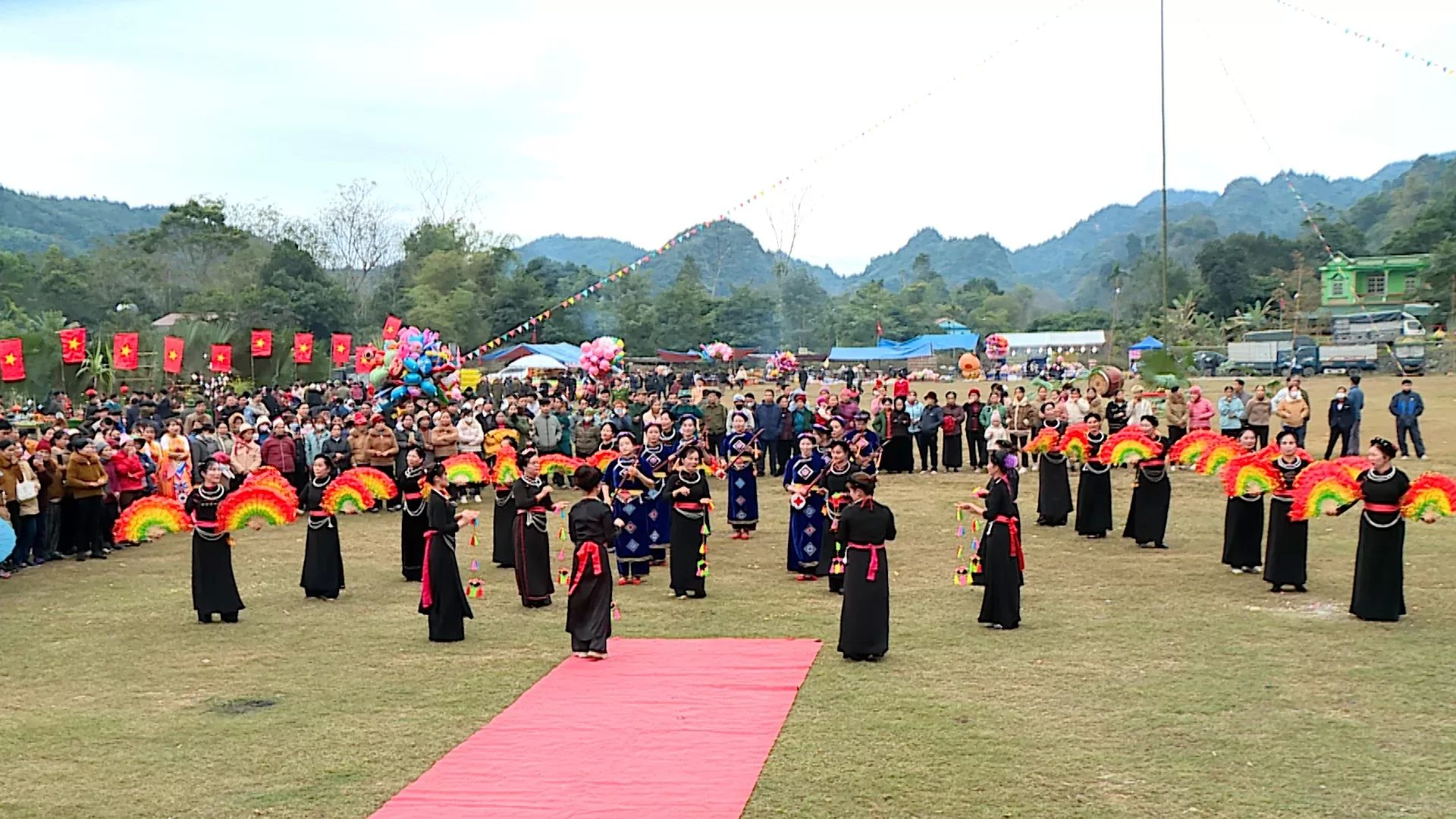
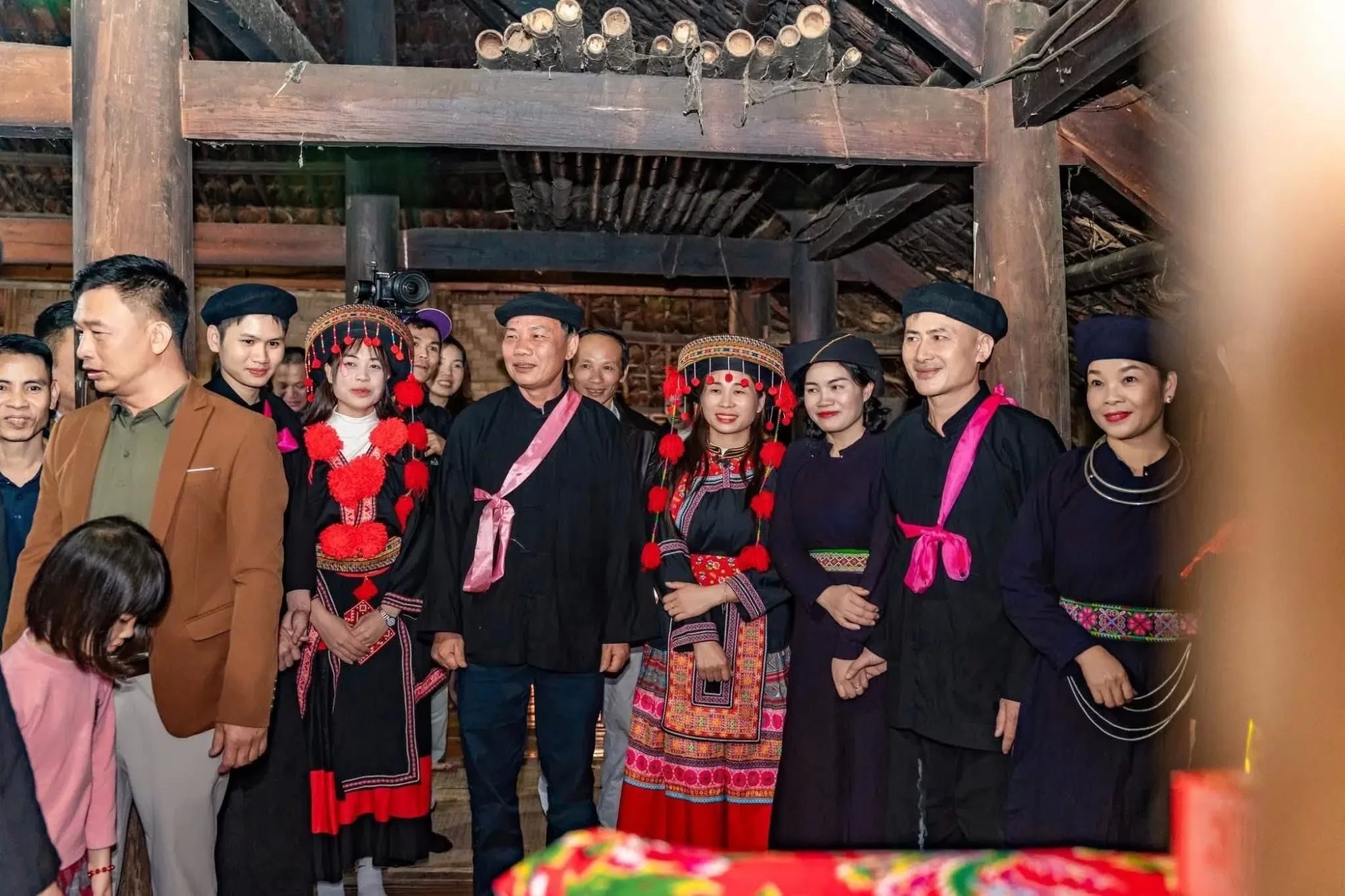
As a region where many ethnic communities live together, Tuyen Quang travel offers visitors a diverse perspective on traditional Vietnamese Tet.
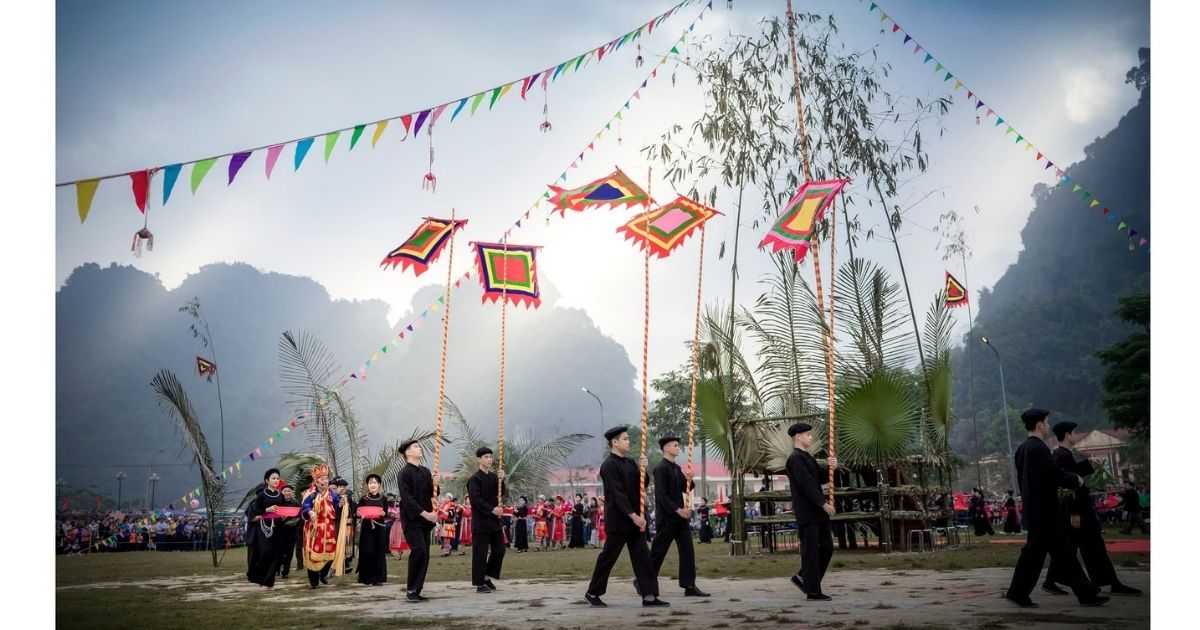
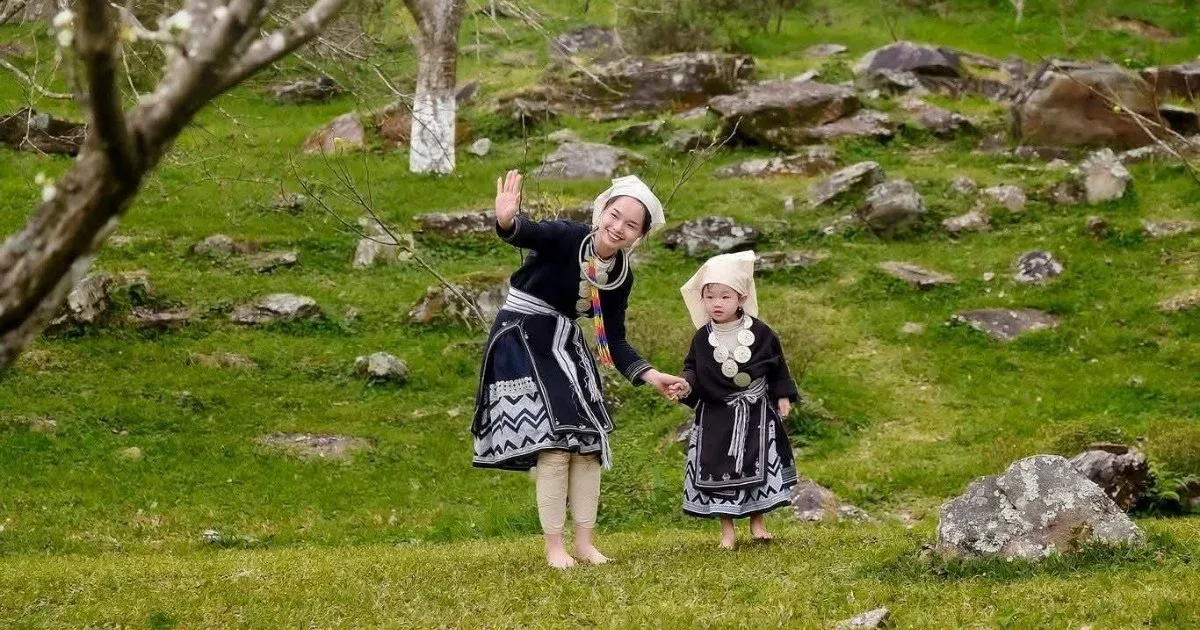
Besides the customs shared by the Kinh people, each ethnic group such as the Tay, Dao, Cao Lan, and San Diu has its own distinctive rituals and cultural practices for welcoming the new year.
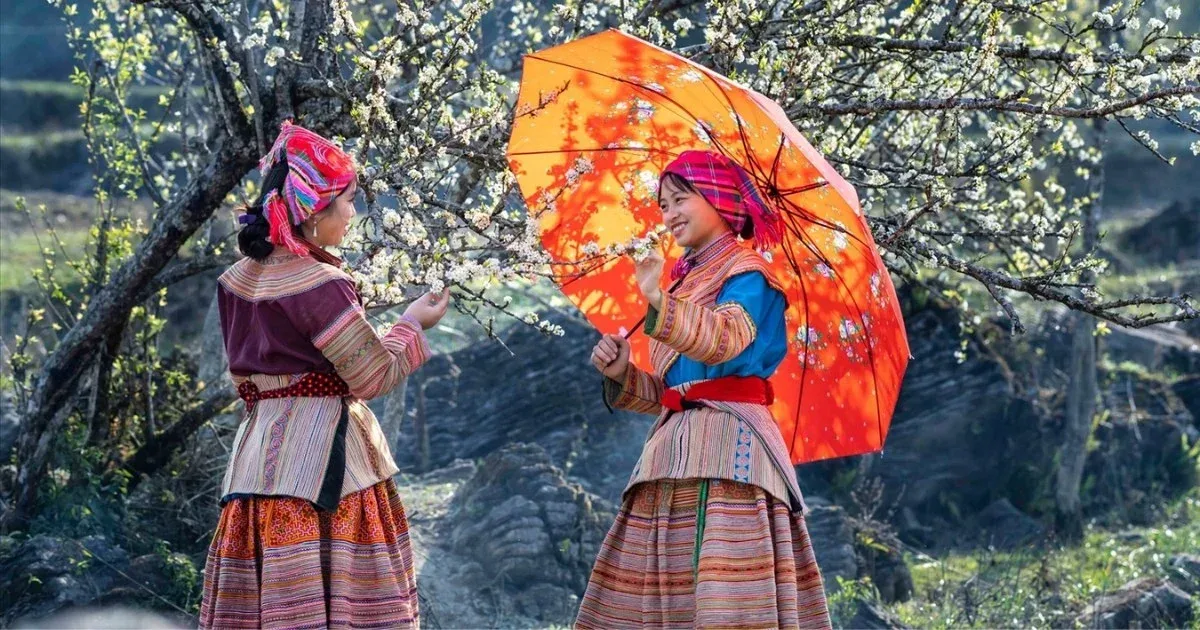
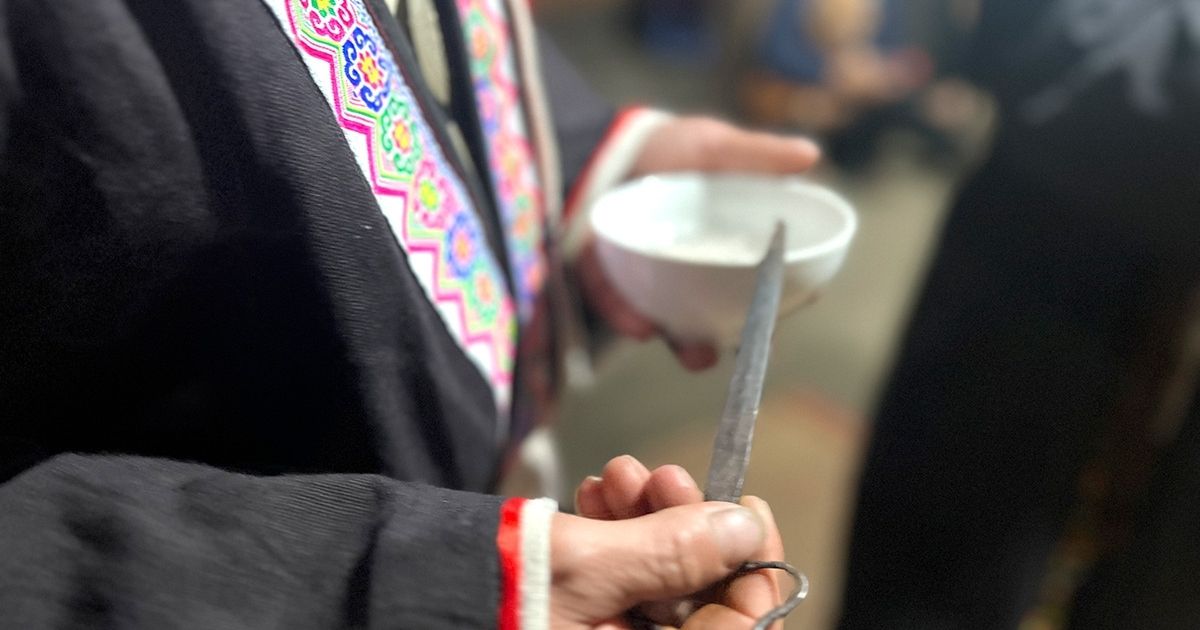
Figure 11: Traditional identity of ethnic groups during Tet in Tuyen Quang. Photo source: collected
Visitors can experience the Tet atmosphere in the villages, enjoy traditional dishes, listen to Then singing, take part in early spring festivals, and learn about the life of local communities.
These authentic experiences not only enrich a Tuyen Quang travel itinerary but also help visitors more deeply appreciate the beauty of Vietnamese Tet culture in every custom and way of life.
See more: A 3-Day 2-Night Vietnamese Tet Culture Experience
Vietnamese Tet culture is preserved not only through traditional customs but also serves as a bond connecting families, communities, and generations of Vietnamese people. Each ritual carries profound humanistic values, contributing to the unique identity of traditional Tet. If you want to discover more cultural stories, destinations, and authentic experiences in Vietnam, follow the Hidden North Vietnam Blog for useful and inspiring articles for your next journey.
See more:
- 18 Unique Tuyen Quang Specialties to Try and Buy as Gifts
- The Tay Community — A Piece of the Puzzle Shaping Tuyen Quang Tourism’s Identity
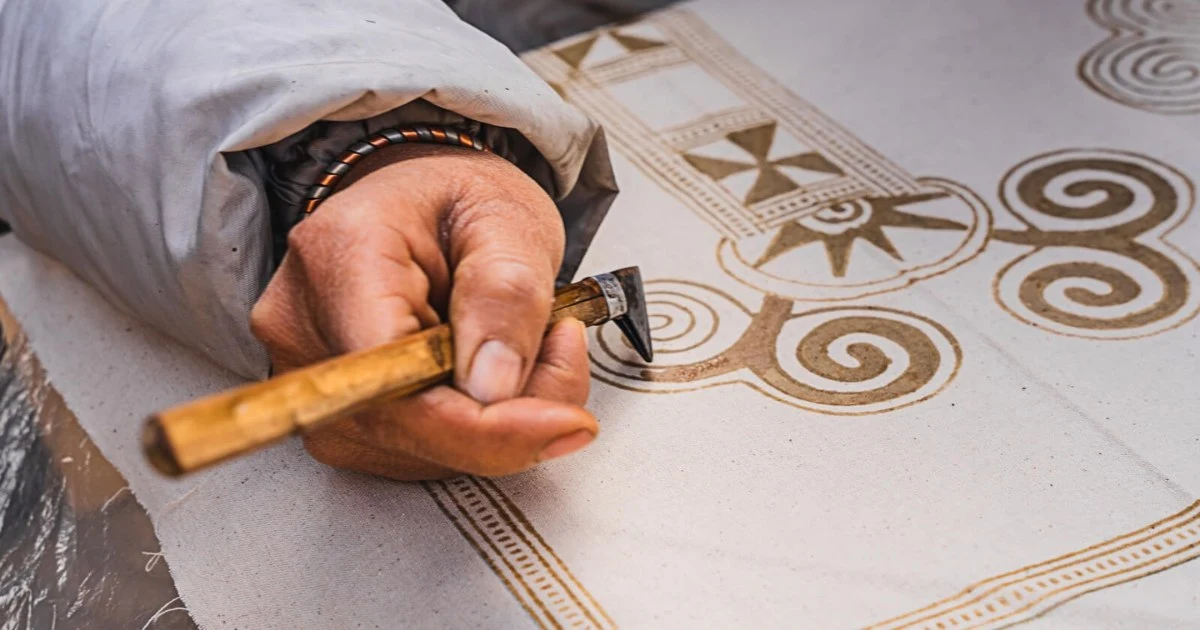
- H’Mong Beeswax Batik Art
- Which Month Is Best to See the Le Hong Thai Pear Blossom Season? Tips for Choosing Outfits and Photo Spots
- Tuyen Quang Travel 2 Days 1 Night: Discovering the Most Beautiful Destinations in the Northeast
Hidden North Vietnam – Chau Hoang Linh Nga is proud to be a trusted travel companion, specializing in distinctive local travel products and experiences in the northern mountainous region of Vietnam, and in finding the best time to visit Na Hang Lake. If you are planning to explore this pristine beauty, please contact us using the information below so the Hidden North Vietnam team can quickly and promptly support you for a safe, convenient, and complete journey:
Website: Hidden North Vietnam
Hotline: (+84) 828 288 328
WhatsApp: (+84) 328 537 966