The art of beeswax batik on linen fabric of the H’Mong people is a craft heritage that reflects the aesthetic thinking, beliefs, and cultural identity of highland communities. Join Hidden North Vietnam in exploring the crafting process, the meaning of the patterns, and the values passed down through many generations.
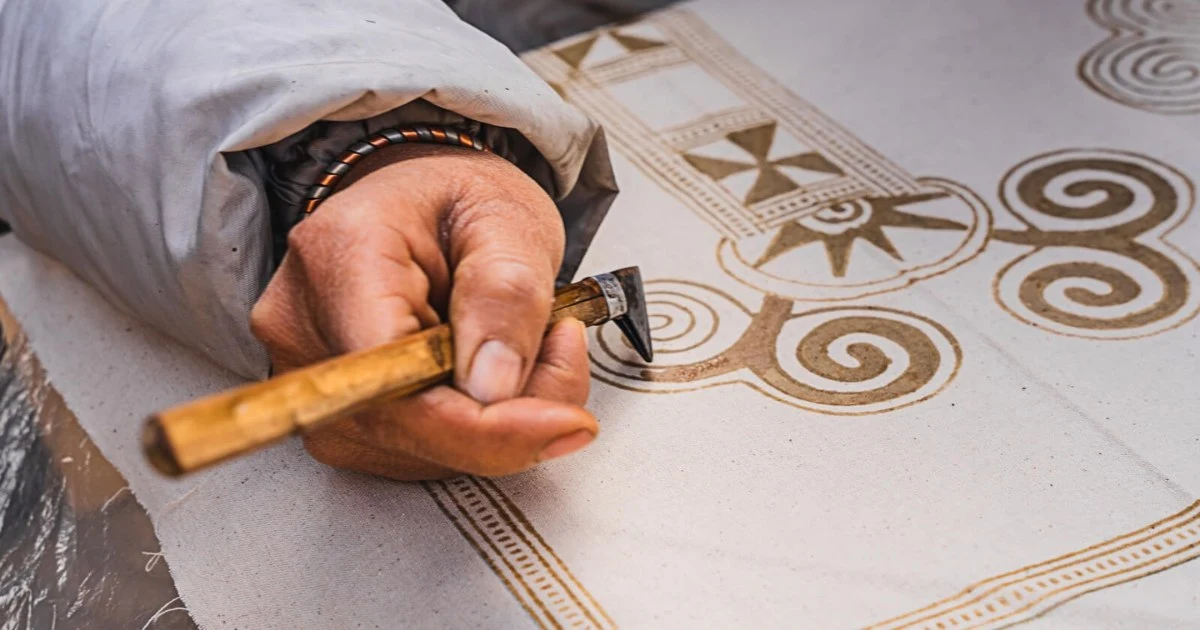
1. The Origins of Beeswax Batik in the Life of the H’Mong People
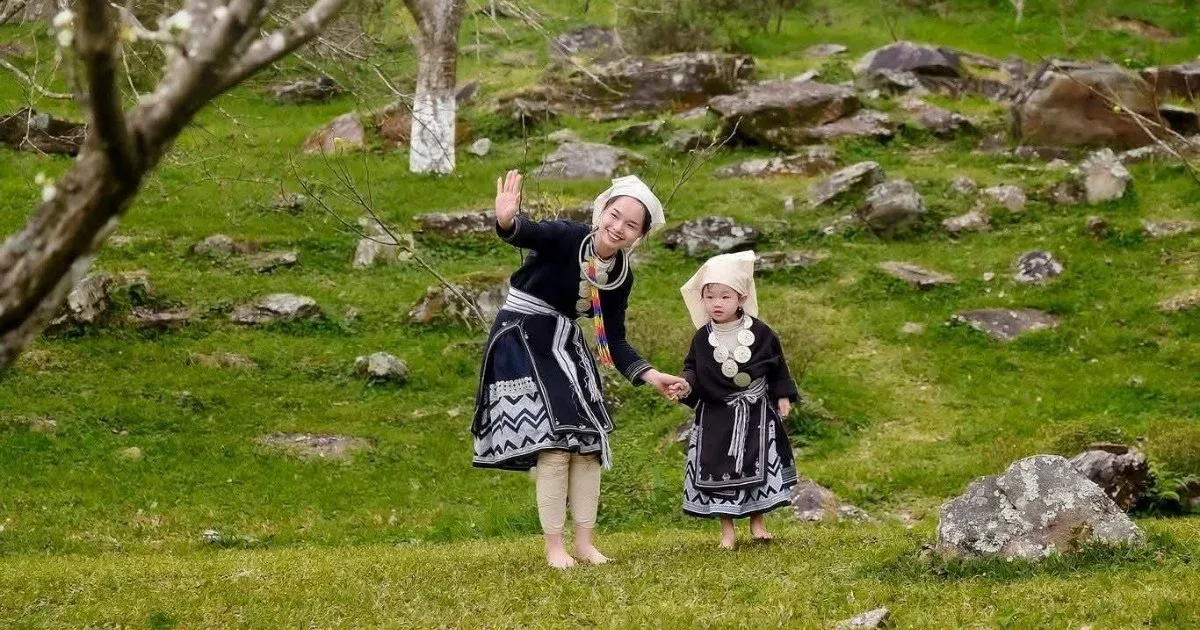
The H’Mong people live off terraced fields and hillside farmland, in close harmony with nature. Within this simple rhythm of life, weaving, embroidery, and beeswax batik have become a distinctive part of daily life for women.
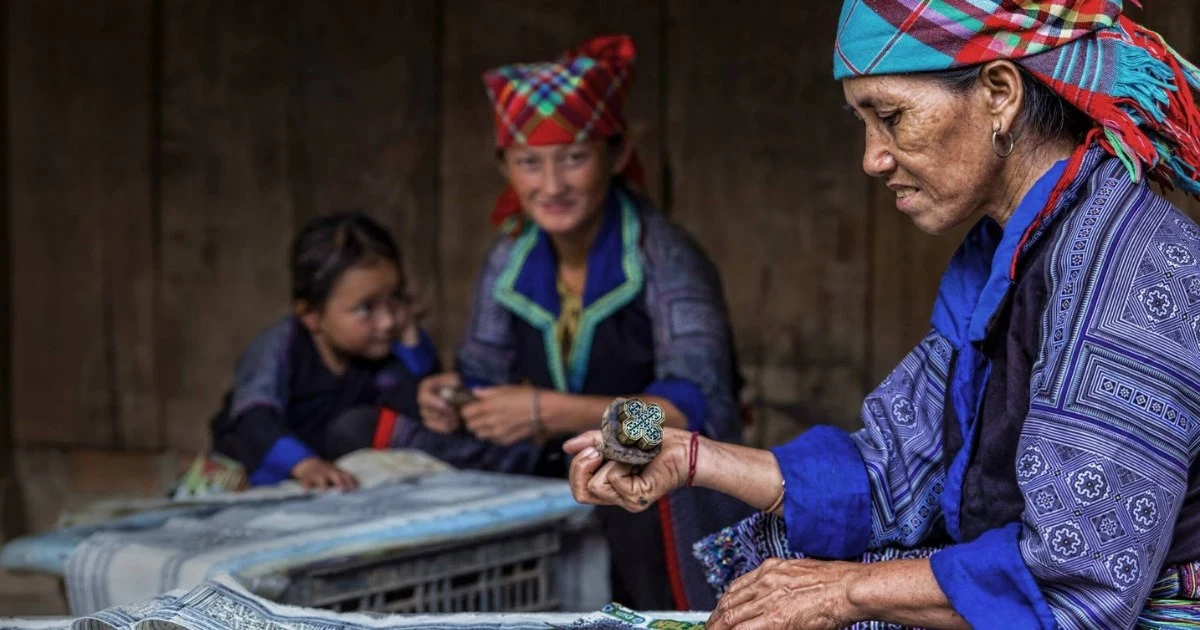
Figure 1: A grandmother, mother, and young girl of the H’Mong community preserving the craft of beeswax batik Photo source: collected
From a young age, little girls grow up familiar with the sight of their grandmothers and mothers sitting at the loom. Needles and thread, linen fibers, indigo vats, and pots of beeswax… are all as familiar as everyday household items.
The craft is not taught through books, but through observation, imitation, and experience accumulated over the years.
What Does Linen Fabric Mean in the Life of the H’Mong People?
A bridge to the ancestors: the H’Mong believe that linen thread is a “guiding cord” that helps ancestors recognize their descendants. When a person dies, they must be dressed in linen clothing in order to find their way back to their ancestors
Wedding rituals: The bride’s traditional wedding attire must be made from hand-woven linen and intricately hand-embroidered to express a lasting bond.
A measure of virtue: The craft of growing linen and weaving fabric serves as a criterion for judging the skill, diligence, and talent of H’Mong women
Community identity: Amid the pace of modern life, simple linen fabric still retains its core value, representing the enduring vitality and spirit of H’Mong community culture
3. The Meaning of the Patterns in H’Mong Beeswax Batik Art
The Meaning of Patterns in the Art of Beeswax Batik on Linen Fabric of the H’Mong People
Spiral pattern: Symbolizes reincarnation, fertility, and the endless flow of life.
Diamond and square patterns: Represent terraced fields, fertile land, and the bond within family and community.
Serrated triangle pattern: Mimics dragon scales or mountain vegetation, carrying the meaning of protection and a wish for peace.
Chicken-foot, horseshoe, and flower-petal patterns: Reflect the connection between people and nature and daily working life.
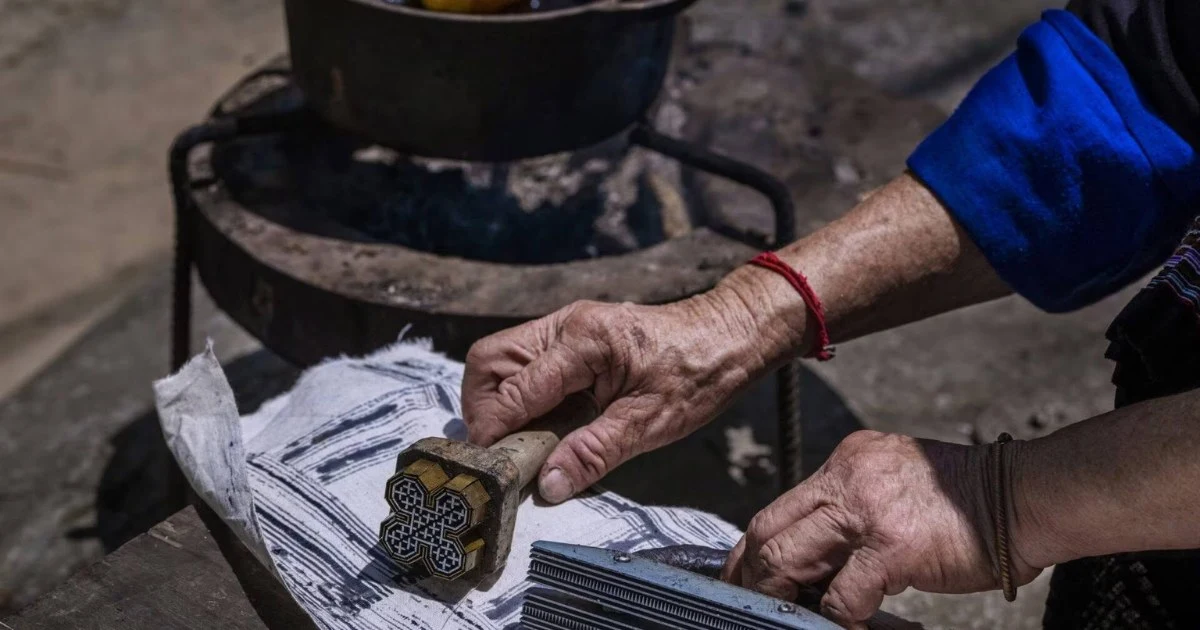
Figure 2: A traditional pattern mold prepared before printing Photo source: collected
Each pattern carries its own meaning, reflecting the worldview, beliefs, and harmonious relationship between the H’Mong people and nature. Through every stroke of beeswax on linen, H’Mong women express their cultural identity, skill, and the traditional values preserved across generations.
4. The Traditional Beeswax Batik Process of the H’Mong People
Tools and materials:
- Beeswax: A blend of yellow wax (young wax) and black wax (aged wax) is melted, filtered to remove impurities, and formed into blocks.
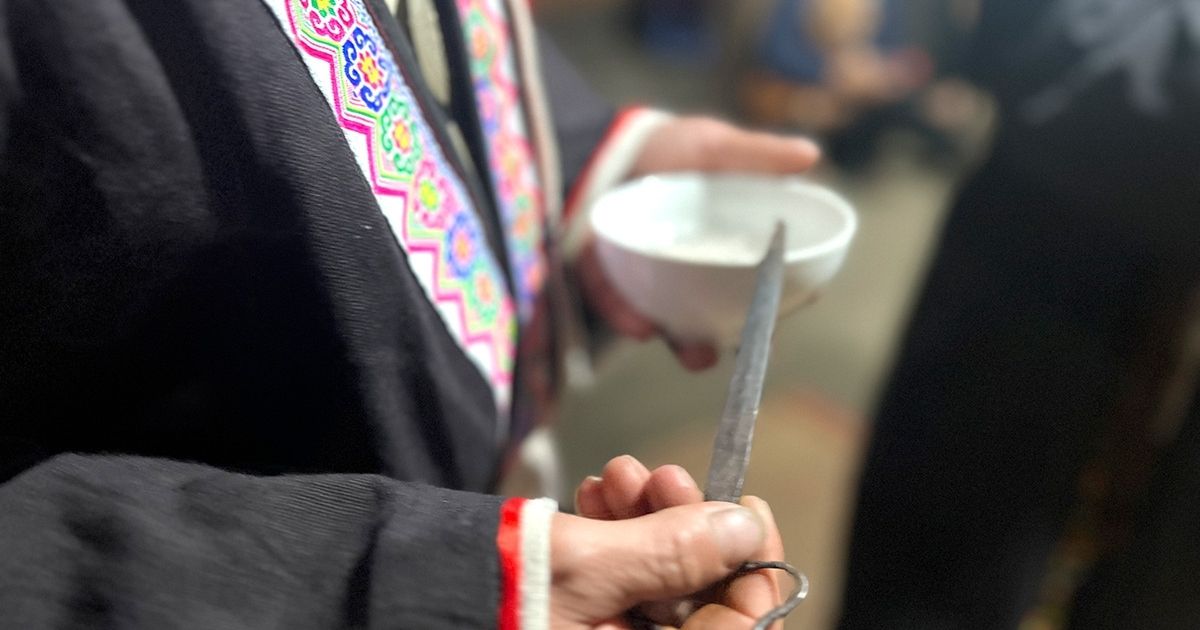
- Drawing tools: A small iron pan to hold the wax, a charcoal stove to keep the wax liquid, and a specialized drawing pen (a wooden handle fitted with a copper nib with a tiny opening for the wax to flow evenly).
- Fabric material: Plain white linen, washed flat and stretched taut on a surface
Process:
- Melting the wax: The pan of beeswax is placed over a low charcoal fire to keep the wax warm and liquid.
- Dipping and drawing: The copper nib is dipped into the hot wax pan, then quickly brought to the surface of the linen. The artisan does not sketch beforehand but draws from memory and skill to form precise geometric, spiral, or symmetrical floral patterns.
- Continuous reheating: While drawing, the wax on the nib cools and hardens easily, so the artisan must frequently dip it back into the wax pan over the charcoal fire.
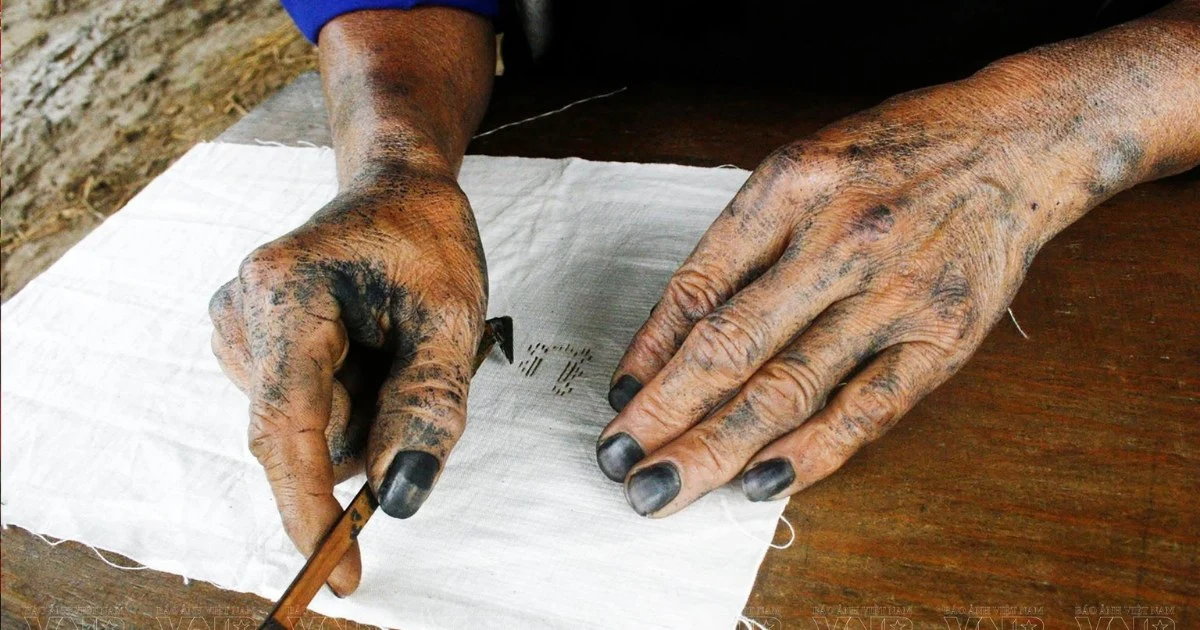
Figure 3: Drawing decorative patterns with beeswax on a plain linen cloth Photo source: collected
Indigo dyeing and finishing:
Dyeing: Once the beeswax pattern covers the fabric, the cloth is dipped into an indigo dye vat multiple times until the desired deep blue shade is achieved. The areas of fabric coated with beeswax prevent the indigo dye from penetrating.
Removing the wax: The fabric is dipped into hot water so the beeswax layer melts away, revealing the natural white pattern lines against the deep indigo background.
5. Experiencing Beeswax Batik Art on a Trip to the Vietnamese Highlands
Amid the bustling pace of modern life today, on the silver-gray rock plateau, where rammed-earth houses nestle against the hillsides, there is a warm space by a flickering fire, where drops of molten beeswax are carefully guided by an H’Mong woman across each stroke on the linen fabric.
This is in Then Pa cultural village, where women draw and chat at the same time, sharing stories about each pattern and how they diligently learned the craft from their grandmothers and mothers.
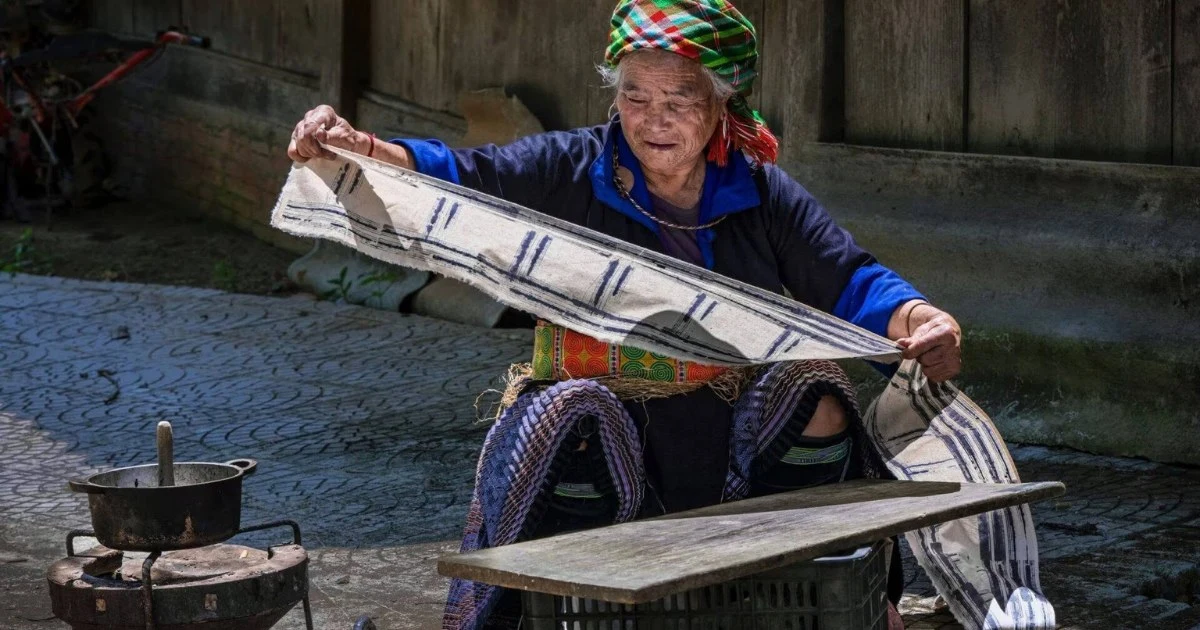
Figure 4: The unique art of beeswax batik on linen fabric of the H’Mong people Photo source: collected
Many visitors come here not just to buy products, but to “live” within this unique artistic culture, to understand why a handicraft has endured for so long alongside the H’Mong community. Visitors can take part in notable activities such as:
- Growing and harvesting flax.
- Preparing dye and indigo dyeing.
- Drawing beeswax patterns on linen fabric.
- Embroidering, sewing, and finishing the product.
- Wearing traditional H’Mong costumes
See more: Beeswax Batik Experience
6. Notes for Visiting Craft Villages in H’Mong Communities
When visiting the traditional craft villages of the H’Mong people, visitors are not just observers but also contribute to preserving local cultural values. Here are a few notes to help make the trip more meaningful and respectful:
- Respect the living space of local residents, ask permission before entering a home or photographing artisans and family members.
- Do not touch tools or products being crafted or interrupt the beeswax drawing process, as this work requires focus and precision.
- Prioritize buying authentic handmade products to support artisans and help sustain the traditional craft.
- Avoid excessive bargaining, as each product is entirely handmade and takes a long time to complete.
- Maintain cleanliness and protect the landscape, avoid littering or disrupting the local community’s living environment.
- Respect the customs and traditions of the H’Mong people, especially when taking part in cultural activities, festivals, or experiences within local homes.
- Listen to the artisan’s guidance if taking part in beeswax drawing, indigo dyeing, or weaving experiences to ensure safety and a complete experience.
- Do not copy or use traditional patterns for commercial purposes without the community’s consent, as each motif carries its own cultural value and meaning.
7. Suggested Destinations to Experience H’Mong Beeswax Batik Art on Linen Fabric
7.1. Lung Tam Linen Weaving Cultural Village – Quan Ba, Ha Giang
This is one of the most famous places to experience the H’Mong craft of linen weaving, indigo dyeing, and beeswax batik.
Visitors can observe the entire process, from spinning thread and weaving fabric to drawing patterns with beeswax, dyeing with indigo, and finishing the product.
Lung Tam, along with Can Ty commune, are places that still preserve the traditional technique of beeswax batik.
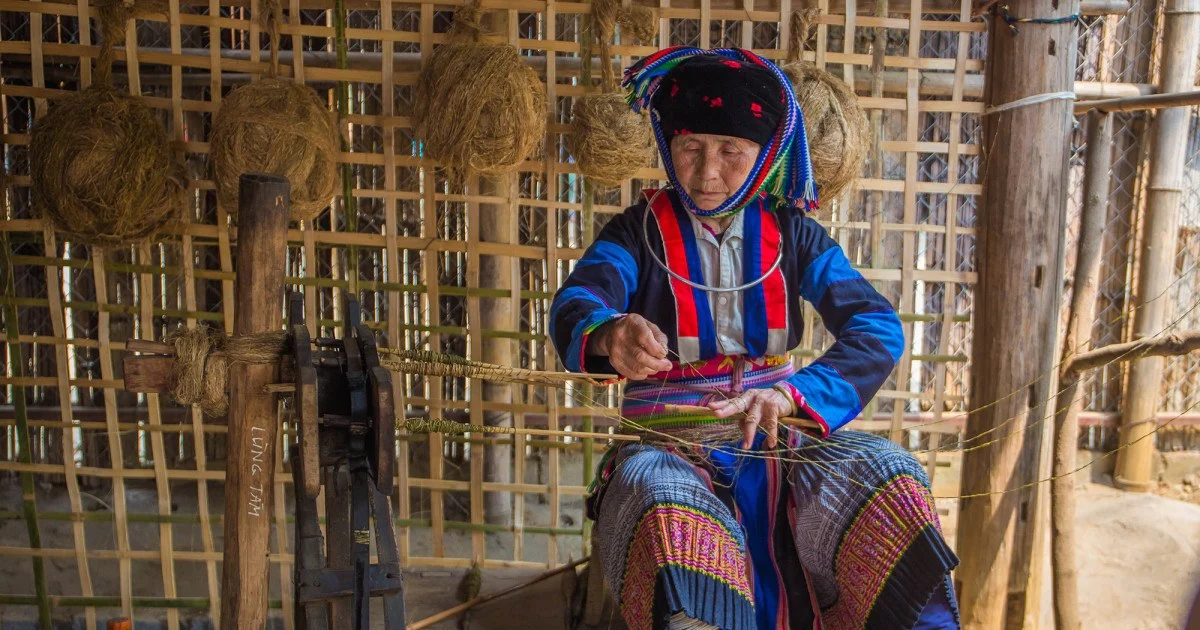
Figure 5: A space for experiencing H’Mong beeswax batik Photo source: collected
7.2. Can Ty Commune – Quan Ba, Ha Giang
Can Ty is home to a large H’Mong population that has fully preserved the craft of beeswax batik on linen. Many artisans still work entirely by hand, passing the craft down from mother to daughter across generations.
7.3. Sung Trai Commune – Dong Van, Ha Giang
Sung Trai is one of the few localities on the Dong Van Karst Plateau that still has many artisans maintaining the traditional beeswax batik craft.
This destination suits visitors who want to explore in depth the technique and meaning behind H’Mong patterns.
7.4. H’Mong Village (Quan Ba)
This is an accommodation that combines a cultural experience, where visitors can learn about the architecture, cuisine, costumes, and some traditional handicrafts of the H’Mong people, including an introduction to linen weaving and beeswax batik through cultural experience programs.
The art of beeswax batik on linen fabric of the H’Mong people is not only a technique for creating intricate patterns but also a symbol of the cultural identity, skill, and wisdom of the H’Mong people. Each piece of fabric tells a story of life, nature, and traditional values preserved through many generations. Keep following the Hidden North Vietnam Blog to discover more distinctive cultural heritage and authentic experiences in the northern mountains of Vietnam.
See more:
- 18 Unique Tuyen Quang Specialties to Try and Buy as Gifts
- Vietnamese Tet Culture 15 Customs
- Responsible Travel: Preserving the Original Beauty of Highland Villages in Northern Vietnam
- Which Month Is Best to See the Le Hong Thai Pear Blossom Season? Tips for Choosing Outfits and Photo Spots
- Tuyen Quang Travel 2 Days 1 Night: Discovering the Most Beautiful Destinations in the Northeast
Hidden North Vietnam – Chau Hoang Linh Nga is proud to be a trusted travel companion, specializing in distinctive local travel products and experiences in the northern mountainous region of Vietnam, and in finding the best time to visit Na Hang Lake. If you are planning to explore this pristine beauty, please contact us using the information below so the Hidden North Vietnam team can quickly and promptly support you for a safe, convenient, and complete journey:
Website: Hidden North Vietnam
Hotline: (+84) 828 288 328
WhatsApp: (+84) 328 537 966