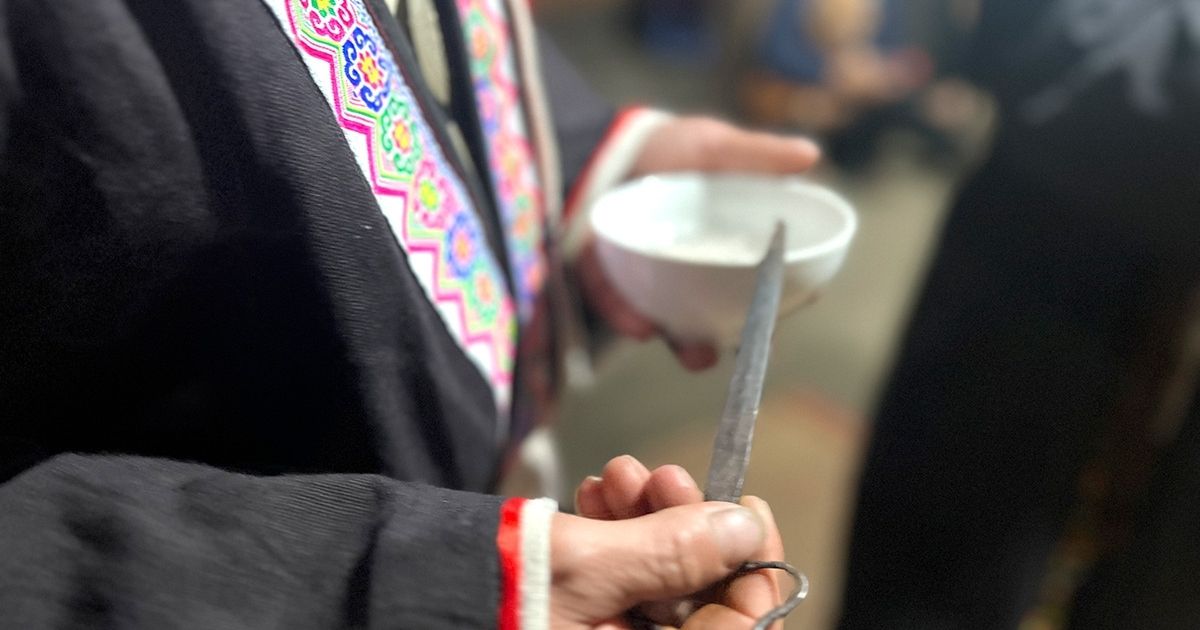
The Cap Sac initiation ceremony of the Dao Tien people in Hong Thai not only marks an important transition in a person’s life but also opens up a world of beliefs, knowledge, and identity passed down through many generations. Join Hidden North Vietnam in exploring the unique features that give this ceremony its value.
1. The Cap Sac Initiation Ceremony – An Important Milestone in the Life of the Dao Tien People
1.1. The Origins of the Cap Sac Ceremony in the Life of the Dao Tien People
The Cap Sac ceremony (Qua Tang, Tau Sai) of the Dao Tien people is a core religious ritual that marks a man’s complete transition into adulthood.
Through this ceremony, the initiate is given a spirit name, recognized as a descendant of Ban Vuong, and granted the right to become a master and take part in the community’s major affairs.
The ceremony is tied to the ancestral legend of the Dao people fighting against evil spirits to protect their crops and villagers, which gave rise to the need to call upon supernatural strength.
It is a form of cultural practice that blends Taoist thought, Confucianism, and indigenous beliefs, passed down through many generations.
1.2. Who Performs and Who Receives the Cap Sac Ceremony of the Dao Tien People?
Those who perform the ceremony:
- 2 chief officiating priests (thay ca): Individuals of high standing with deep knowledge of the doctrine, ritual texts, and Han-Nom script, needed to carry out the lamp-lighting, initiation, and naming rites.
- 1 assistant priest: Helps with preparation steps and
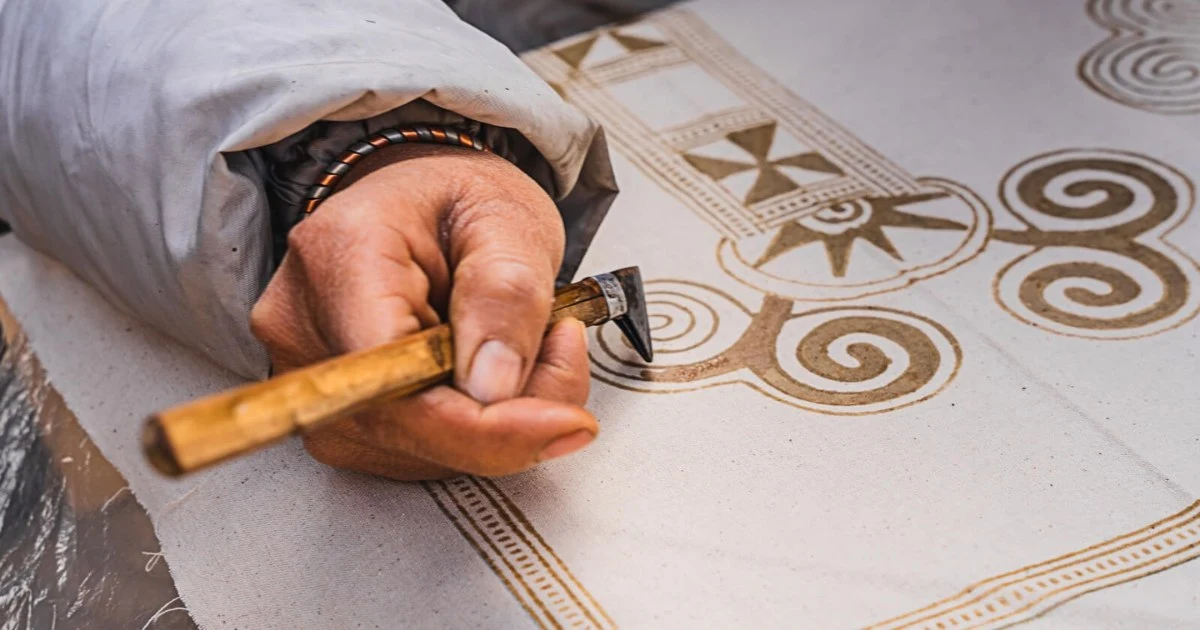
Other supporting participants: Including those who recite poetry, young men and women who sing call-and-response songs, along with relatives from both sides of the family. 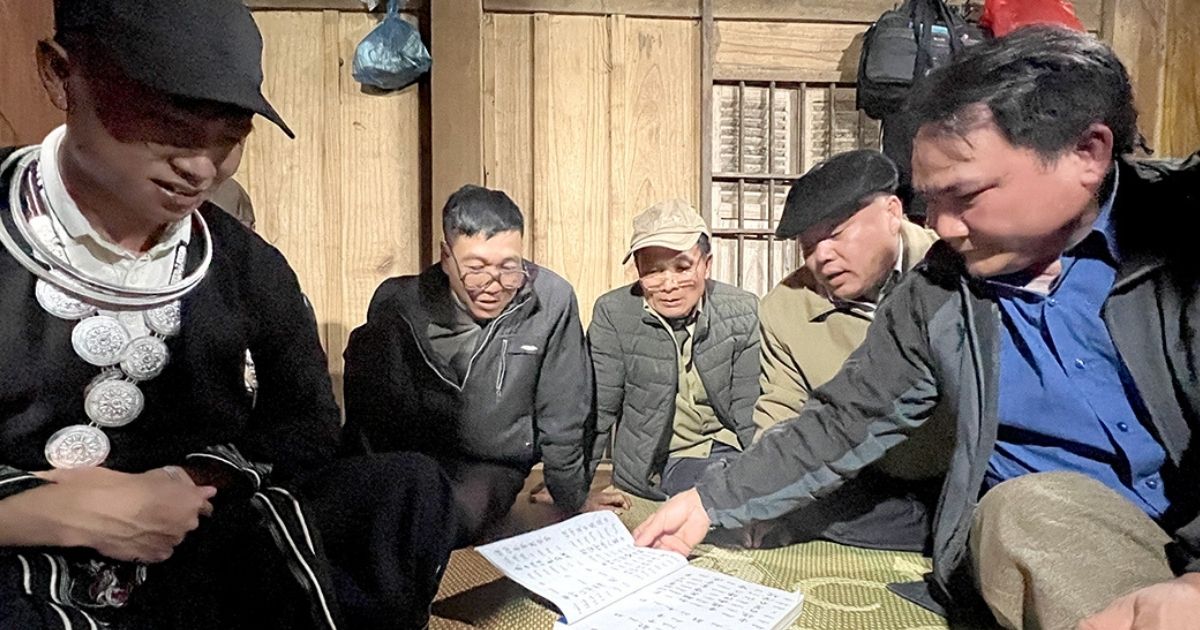 Figure 1: Documents prepared for performing the Cap Sac ceremony Photo source: collected
The initiate (recipient of the ceremony): A boy from the Dao ethnic community, aged ten or older, or once he has reached adulthood and started a family. Until he has gone through Cap Sac, he is still regarded as a “child,” regardless of age, and is not allowed to take part in major affairs of the clan.
2. Why Is Cap Sac Considered the Path to Adulthood for the Dao Tien People?
For the Dao Tien people, Cap Sac is not merely a religious ritual but also the milestone that establishes a man’s adulthood within the community. After the ceremony, he is recognized in terms of social status, family responsibility, and spiritual life.
In social and community terms, Cap Sac marks the point at which a man is acknowledged by the community as a mature member with a certain standing in village life.
After completing the ceremony, he can take on more responsibilities toward his family, clan, and community, and is also allowed to take part in certain important religious rituals.
This is also the transition from the status of a young person to that of a member responsible to the community.
In spiritual and philosophical terms, the person who has received Cap Sac is given a spirit name, a name tied to the community’s religious life and spiritual world.
The ceremony also teaches him the moral standards and conduct valued in Dao Tien culture: reverence for ancestors, filial piety toward grandparents and parents, living in harmony, and showing love and helping others.
For this reason, Cap Sac carries both the meaning of “being recognized” and the process of “being entrusted with responsibility.”
Cap Sac therefore marks not only maturity in age but also maturity in awareness, responsibility, and standing for a man within his family, clan, and the Dao Tien community.
3. The Unique Features of the Cap Sac Ceremony of the Dao Tien People in Hong Thai
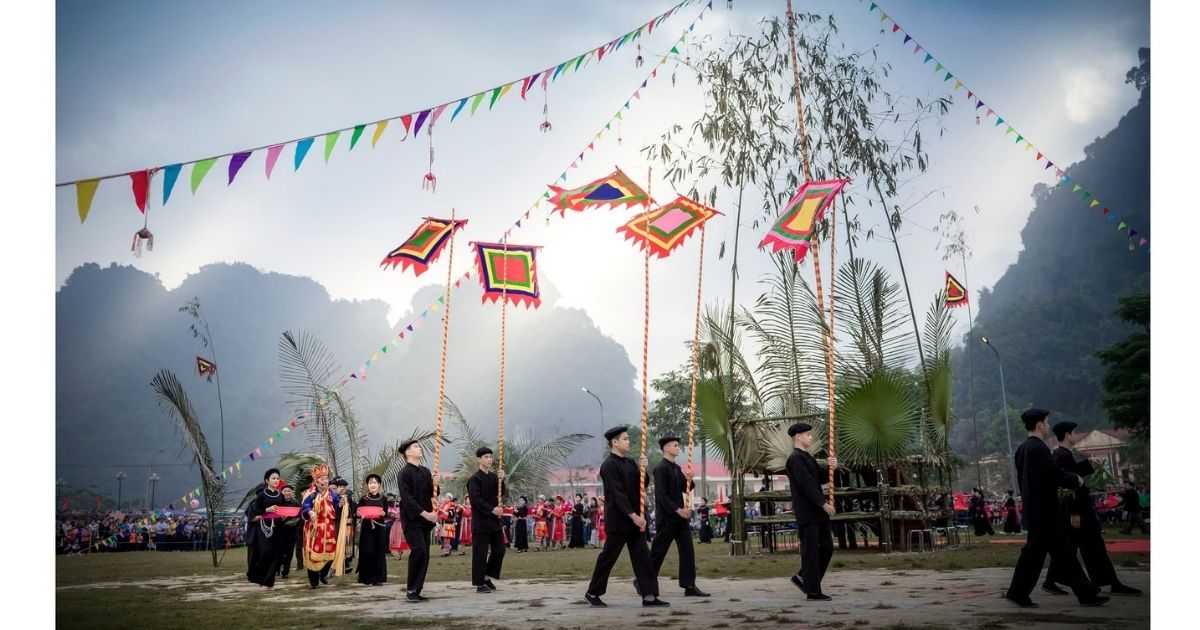
The Cap Sac ceremony of the Dao Tien people in Hong Thai is not only a ritual marking adulthood but also a cultural space that brings together belief, folk art, and community life.
A Cap Sac ceremony usually lasts about 2 nights and 3 days and is held during the agricultural off-season, commonly from the 12th lunar month to the 2nd lunar month of the following year.
This is the time when villagers set aside farm work to carry out an important ritual in their spiritual life.
The ritual space is solemnly set up right inside the home. The altar features ritual paintings, drums, gongs, and traditional instruments, creating a space that is both sacred and rich in identity.
Here, the initiate embarks on a journey of transformation in social and spiritual standing, presided over by the officiating priests and witnessed and supported by family and clan members.
The rites within the ceremony include: crowning, presentation, lamp-lighting, naming, crossing the bridge, the red-thread rite, and giving thanks to Ban Vuong, all carried out in a set order.
Each rite does not exist in isolation but together forms a journey that carries the initiate from the status of a young person to that of a mature member responsible for family and community.
Particularly, the lamp-lighting rite is considered one of the most striking moments. In this rite, the chief priest places one lamp on top of the initiate’s head and two lamps on his shoulders.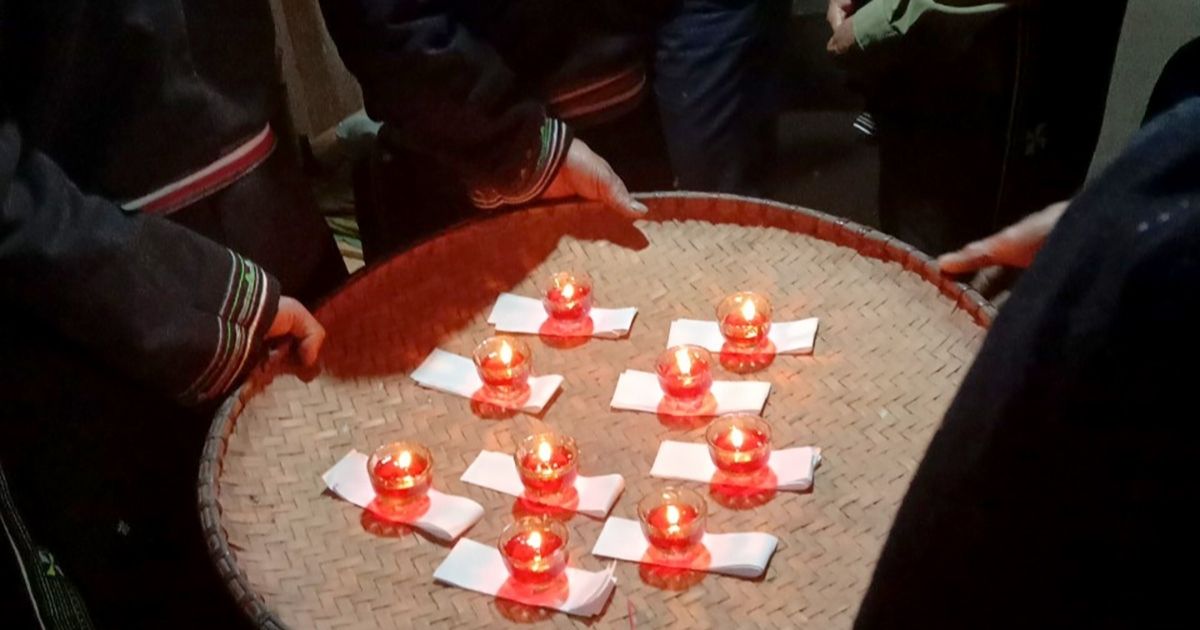
Figure 2: The lamp-lighting rite – an important ritual in the Cap Sac ceremony of the Dao Tien people Photo source: collected
The image of three lamps lit together carries deep symbolism, tied to presenting the initiate before the spiritual world and the ancestors. For the rite to unfold smoothly, family members must also coordinate skillfully to keep the lamps from going out.
It is precisely this combination of ritual, symbolism, and community participation that makes this moment so special.
Beyond the rituals with spiritual significance, Cap Sac is also a way of passing down moral teachings and life knowledge.
The initiate is taught standards of conduct, filial devotion to ancestors, grandparents, and parents, a spirit of doing good, and a sense of responsibility toward the community.
Receiving a spirit name or a ritual name also ties the initiate to a new standing in the community’s spiritual life.
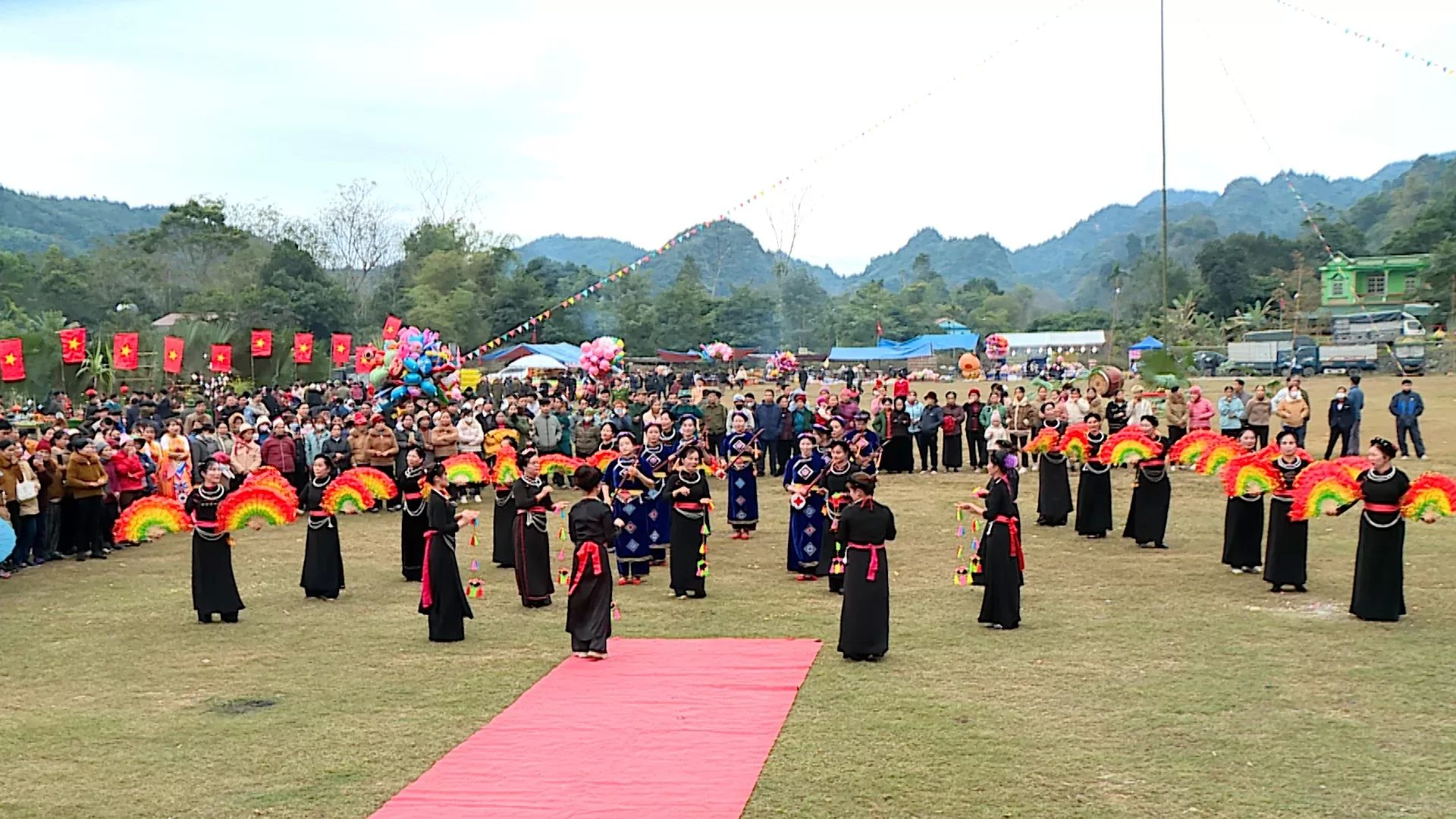
In addition, the ceremony creates a cultural space rich in artistic value. Pao Dung singing, the sound of drums and gongs, traditional costumes, and the system of ritual paintings all appear together as part of a unified ceremony.
These elements not only add to the solemnity of the occasion but also help preserve the memory, beliefs, and identity of the Dao Tien people across generations.
It can be said that the uniqueness of the Cap Sac ceremony lies in the combination of “ceremony” and “life”: from a spiritual rite, Cap Sac becomes a process of educating a person, establishing his social standing, bonding family, clan, and community, and passing down cultural identity.
This is precisely the value that makes the Cap Sac ceremony of the Dao Tien people in Hong Thai such a captivating cultural feature in the cultural landscape of the Tuyen Quang highlands.
4. The Cultural Values Behind the Cap Sac Ceremony of the Dao Tien People in Hong Thai
The Cap Sac ceremony (particularly among the Dao ethnic community) is a precious piece of intangible cultural heritage.
This ceremony recognizes a man’s adulthood, teaches him how to live a good life, instructs him in doing good, honors the ancestors, and bonds the community through a profound system of philosophy on human life.
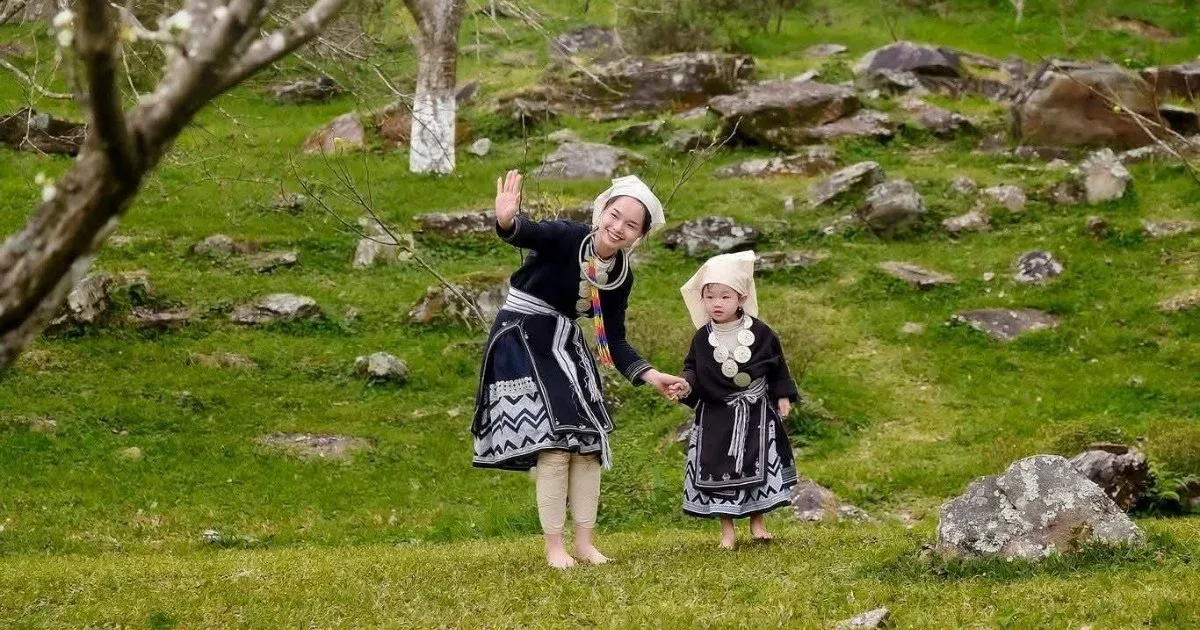
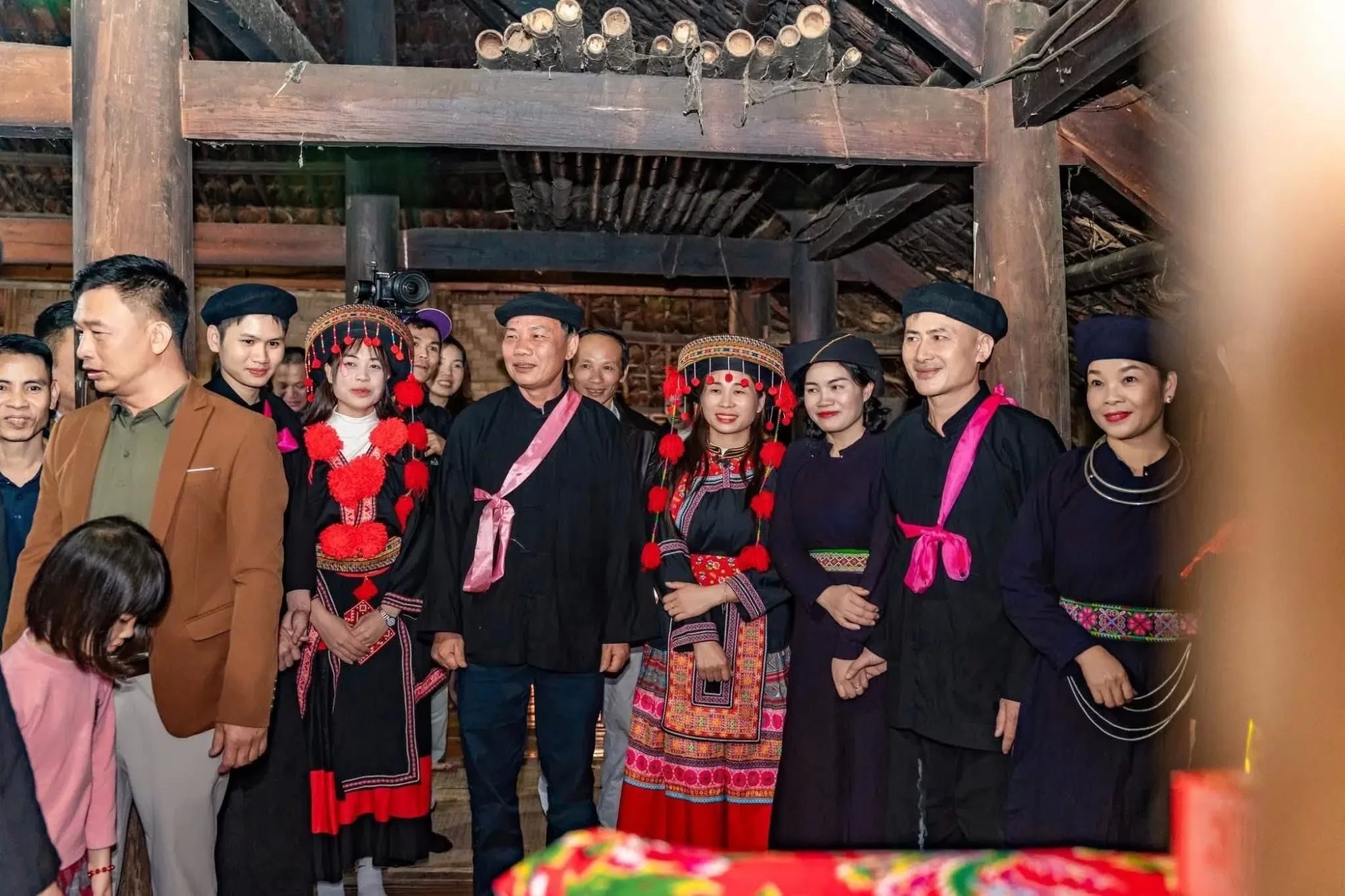
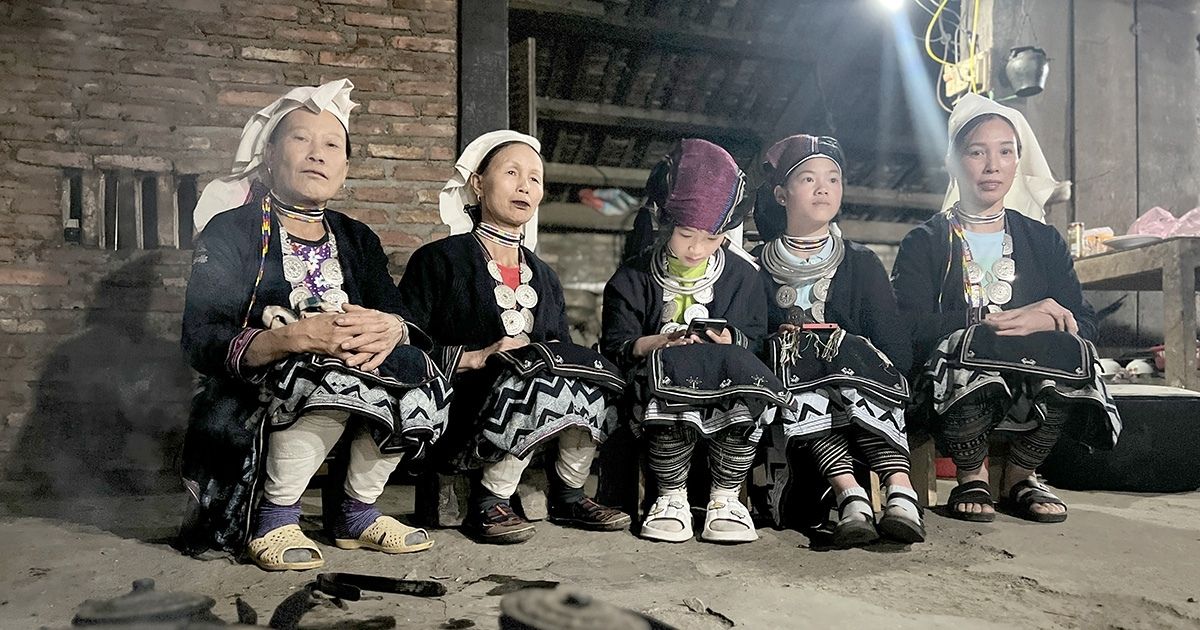 Figure 3: Dao Tien women are also always present at the ceremony, helping the family welcome guests. Photo source: collected
Educational and moral values:
- Encouraging good deeds: Guides people to live well, avoid wrongdoing, and respect order and etiquette.
- The way of being human: Upholds filial piety toward parents and grandparents and reverence for ancestors.
- A sense of responsibility: Bonds the individual with family, clan, and village community.
Spiritual values and philosophy of life
- Recognition of standing: A man must go through Cap Sac before he is considered a true adult, qualified to take part in the major affairs of his clan.
- Granting of a spirit name: The initiate is given his own spirit name (a ritual name), in the belief that it will allow him to find his way back to his ancestors after death.
- Harmony of yin and yang: Reflects a worldview about the universe, heaven and earth, and the protection of deities.
Artistic value and cultural transmission
- A treasury of folk art: Preserves folk songs, ritual dances, ancient ritual paintings, and the unique practice of chanting ritual texts.
- Passing down identity: Preserves language, traditional costumes, and customs across many generations.
5. Experiencing Dao Tien Culture in Hong Thai on a Tuyen Quang Trip
Without “touristified” experiences, Hong Thai, Tuyen Quang, chooses to keep everything as authentic as the rhythm of life in the mountains and forests itself.
Visitors who come here often find what they lack in modern life: a genuine connection with people, nature, and local culture. Where visitors can experience:
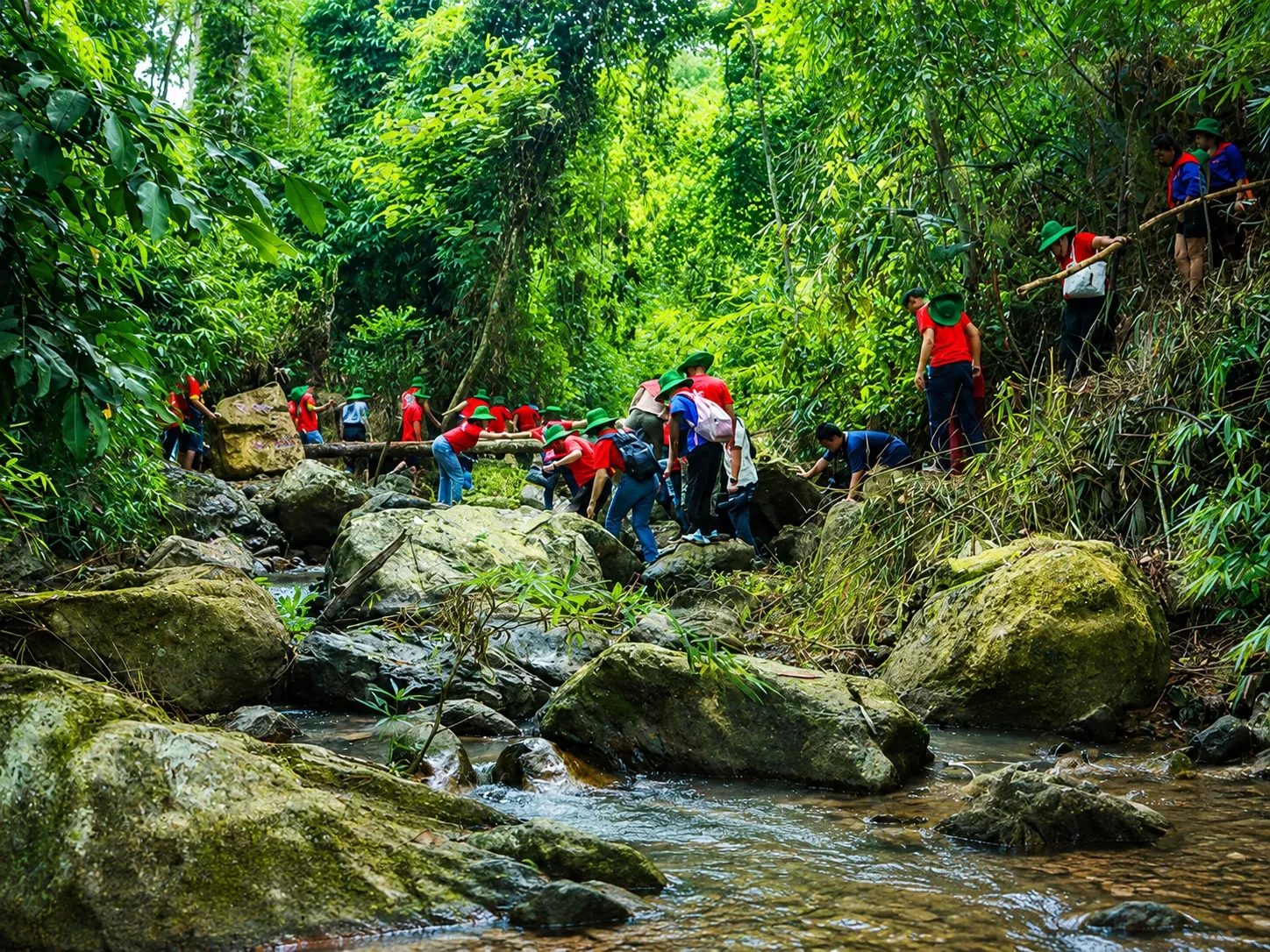
- Trekking through villages and terraced fields
- Learning to cook with local residents
- Bathing in Dao herbal medicine – the healing art of the mountains and forests
- Rituals and cultural values passed down through generations
- Wedding customs, traditional costumes, and beliefs tied to the local natural world

Figure 4: The ripe rice season in Hong Thai Photo source: collected
It is an authentic, simple, and deeply moving Vietnam, where visitors come not only to rest but also to connect.
The Cap Sac initiation ceremony of the Dao Tien people in Hong Thai is a profound cultural heritage that connects belief, community, and each individual’s journey to adulthood. Every rite, song, and symbol within the ceremony helps preserve the cultural memory of the Dao Tien community. Join the Hidden North Vietnam Blog to learn about and experience these local cultural values in an authentic, respectful, and responsible way.
See more:
- 18 Unique Tuyen Quang Specialties to Try and Buy as Gifts
- Vietnamese Tet Culture 15 Customs
- Responsible Travel: Preserving the Original Beauty of Highland Villages in Northern Vietnam
- Which Month Is Best to See the Le Hong Thai Pear Blossom Season? Tips for Choosing Outfits and Photo Spots
- Tuyen Quang Travel 2 Days 1 Night: Discovering the Most Beautiful Destinations in the Northeast
Hidden North Vietnam – Chau Hoang Linh Nga is proud to be a trusted travel companion, specializing in distinctive local travel products and experiences in the northern mountainous region of Vietnam, and in finding the best time to visit Na Hang Lake. If you are planning to explore this pristine beauty, please contact us using the information below so the Hidden North Vietnam team can quickly and promptly support you for a safe, convenient, and complete journey:
Website: Hidden North Vietnam
Hotline: (+84) 828 288 328
WhatsApp: (+84) 328 537 966