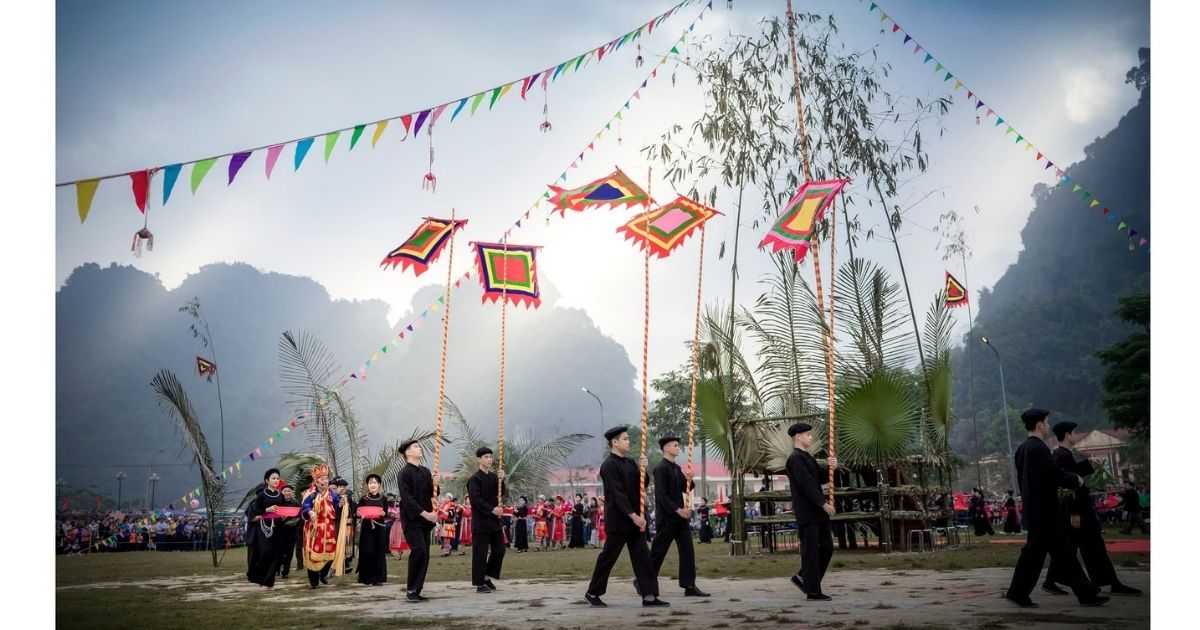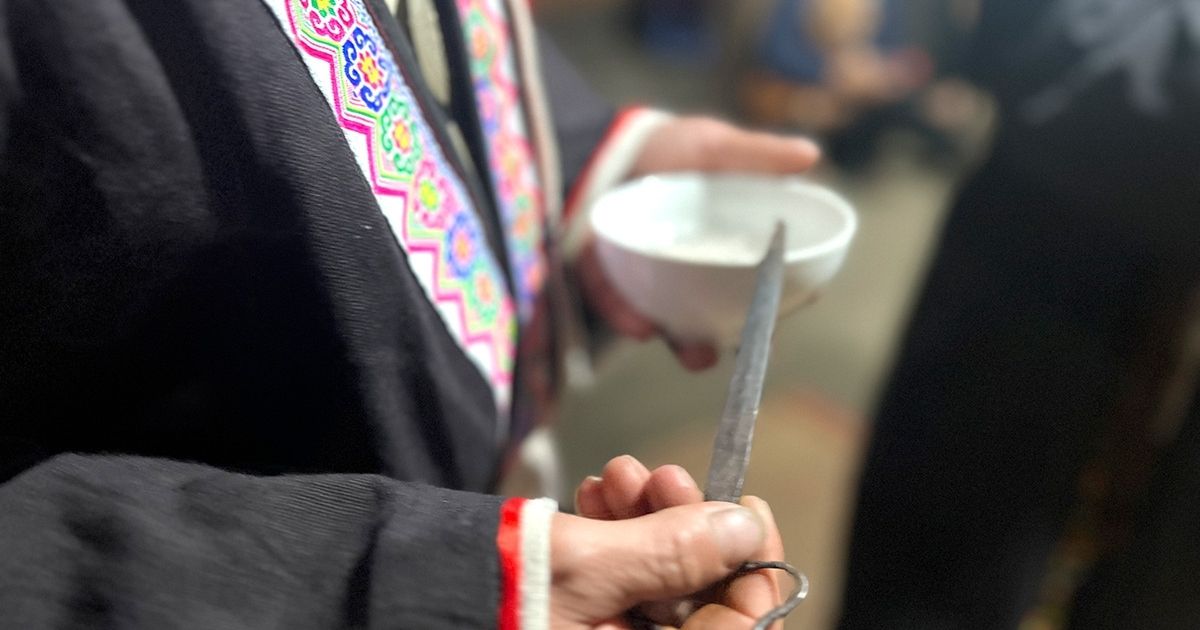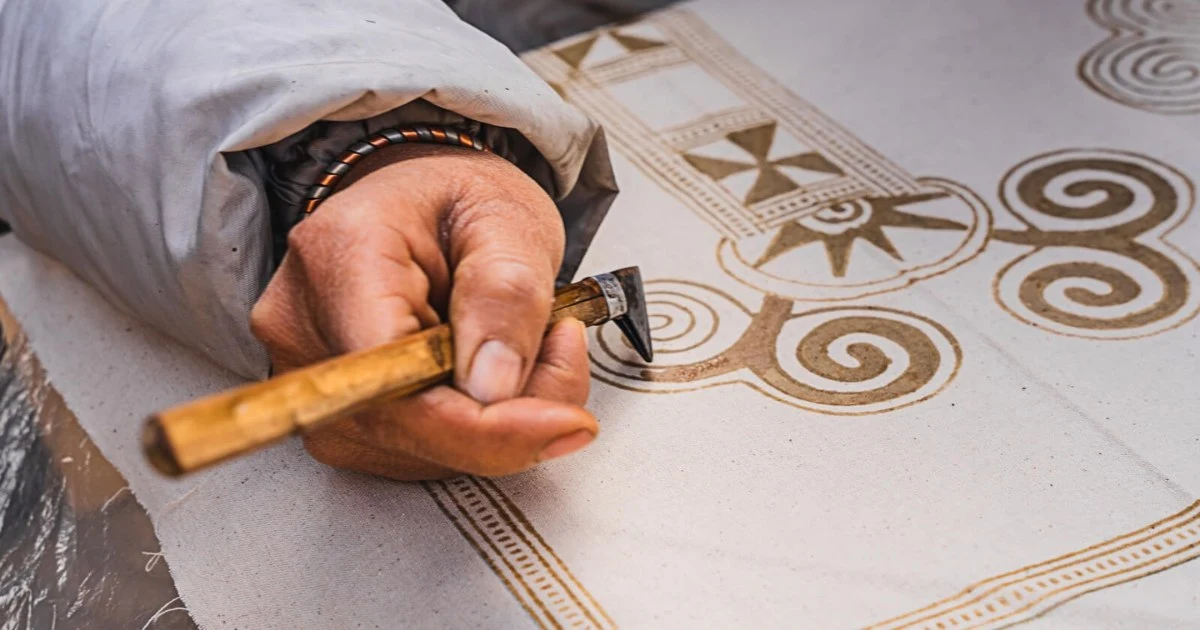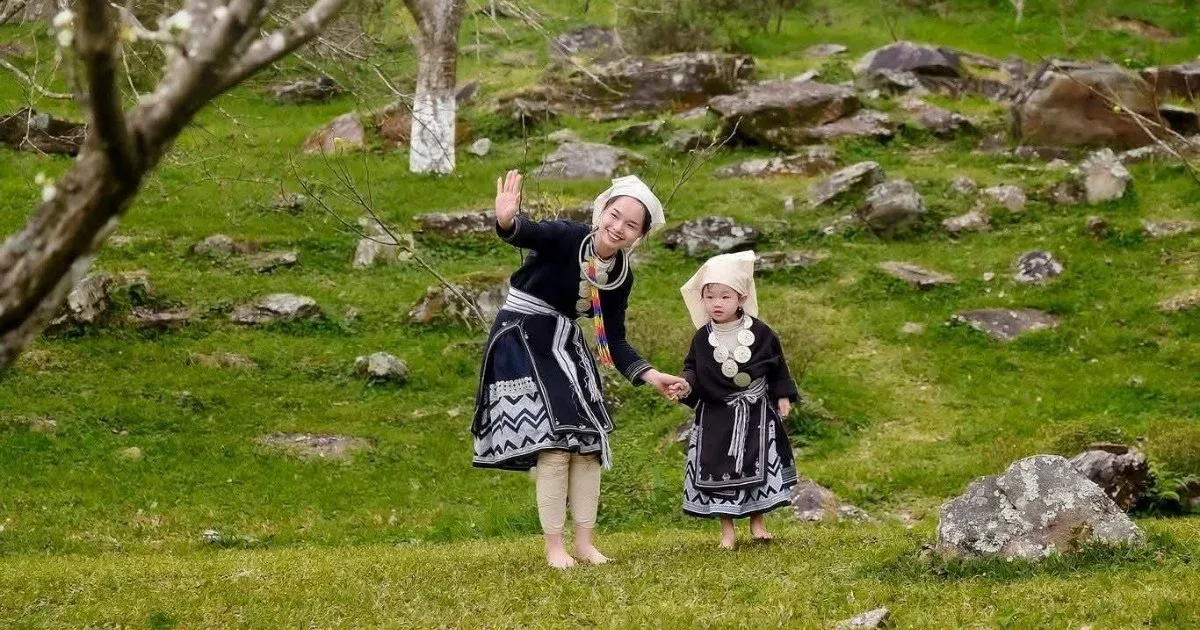
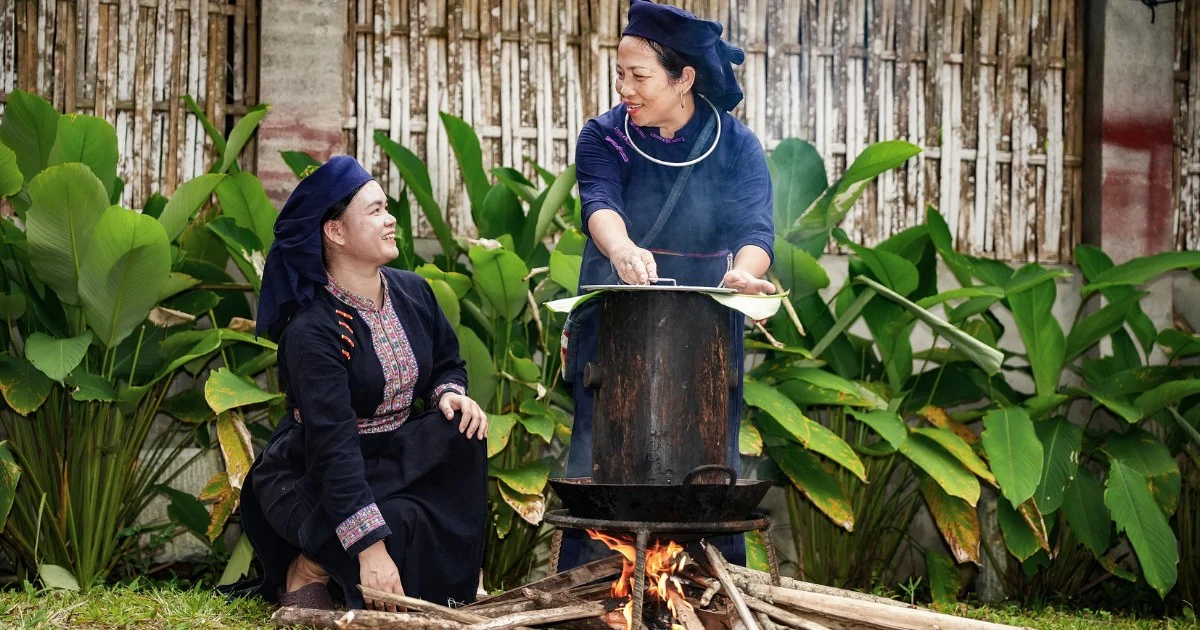
The Tay community is not only a community with a long history of settlement in Tuyen Quang but also the keeper of many distinctive cultural values of the Northeast region. From stilt-house architecture and Then singing to brocade weaving, cuisine, and traditional festivals, each cultural feature helps shape the destination’s identity. Join Hidden North Vietnam to discover the values that give Tuyen Quang tourism its unique appeal.
1. The Tay People — A Piece of the Puzzle Shaping Tuyen Quang Tourism’s Identity
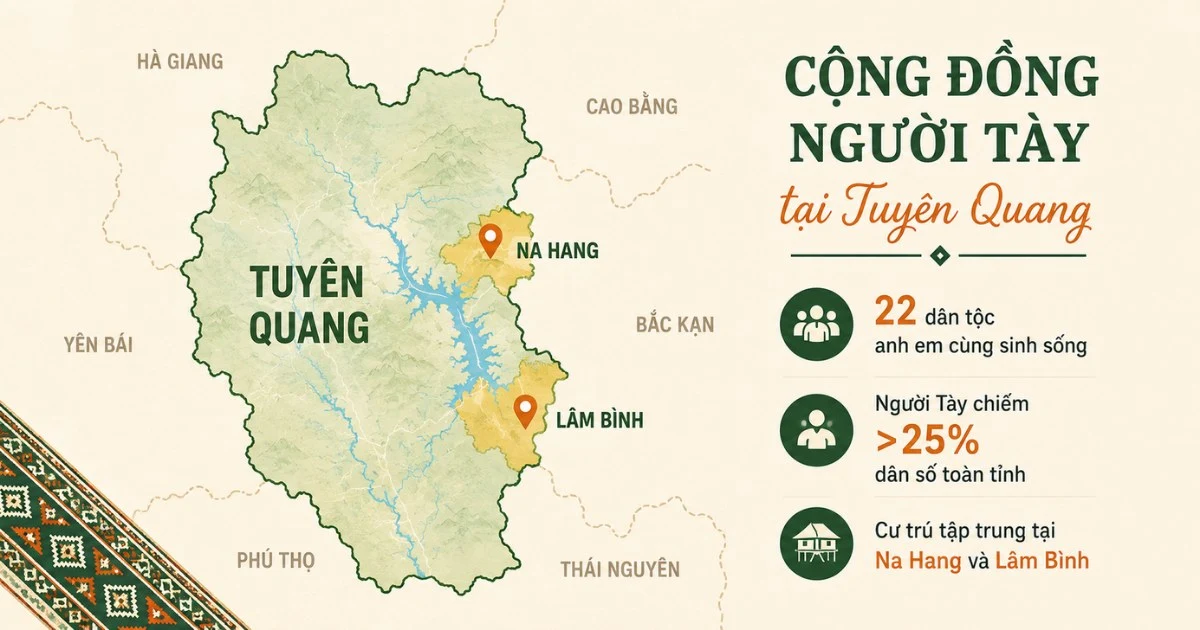
Figure 1: Overview map of the Tay community in Tuyen Quang
Tuyen Quang is home to 22 ethnic groups, where each community contributes to the diverse cultural picture of Vietnam tourism. Among them, the Tay are the second most populous ethnic group, making up more than 25% of the province’s population, and they are also the community with the longest history of settlement, living mainly in the Na Hang – Lam Binh area.
Over many generations, the Tay people have preserved distinctive cultural values, from stilt-house architecture and Then singing to Tinh lute playing, brocade weaving, and traditional culinary arts. These heritages are not only preserved during festivals but also present in the daily rhythm of life in every village.
It is precisely this bond between people, culture, and nature that gives Tuyen Quang tourism its unique appeal. Instead of simply sightseeing, visitors have the chance to step into the daily life of the local community and experience cultural values that remain intact.
That is also why more and more people are choosing experiential tourism in Tay ethnic villages. A day spent eating, staying, working, and listening to local stories offers a genuine perspective on the land, people, and cultural identity of Tuyen Quang
2. Unique Cultural Features That Shape the Identity of the Tay People in Tuyen Quang
2.1. Stilt house
The Tay people typically live in valleys, along rivers and streams, or in areas with natural water sources flowing down from the mountains, which favor farming and daily life. They live together in villages, closely tied to wet-rice cultivation combined with farming on sloped fields, in harmony with nature.
The stilt house is a traditional architectural style closely tied to Tay life. With its raised, well-ventilated floor, the stilt house adapts well to mountainous climate conditions, staying cool in summer and reducing humidity during the rainy season.
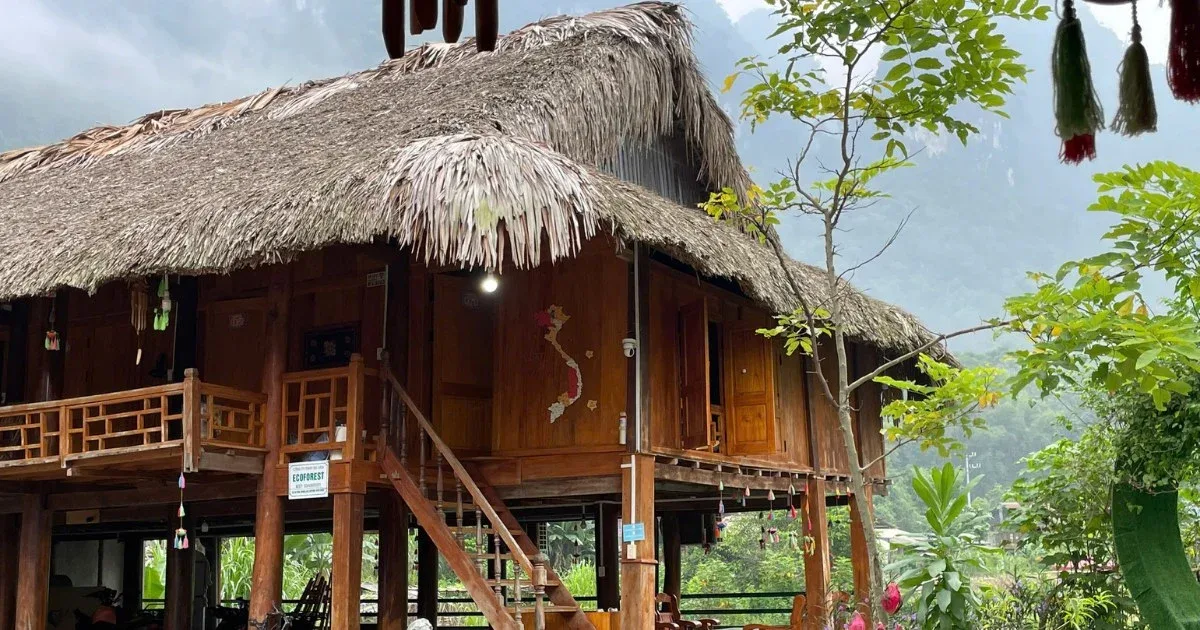
Figure 2: The distinctive stilt-house architecture of the Tay people in Tuyen Quang
More than just a living space, the stilt house also reflects a communal way of life, a spirit of family togetherness, and cultural values preserved across generations.
A typical Tay stilt house has three main sections and two side wings. Larger families or households with several generations living together build longer houses, which may have eight or nine sections.
The house is built mainly from wood, with flooring made of sturdy bamboo or wooden planks. At the center of the house is always a hearth — the heart of the living space, where family members gather to cook, keep warm, and welcome guests.
The house usually has two staircases: a main staircase for guests and a secondary one for daily use. At the foot of the stairs, there is typically a stone slab along with a trough or water jar for washing feet before entering the house, reflecting the Tay people’s clean living habits, thoughtfulness, and hospitable culture.
2.2. Distinctive Features of Traditional Tay Costumes
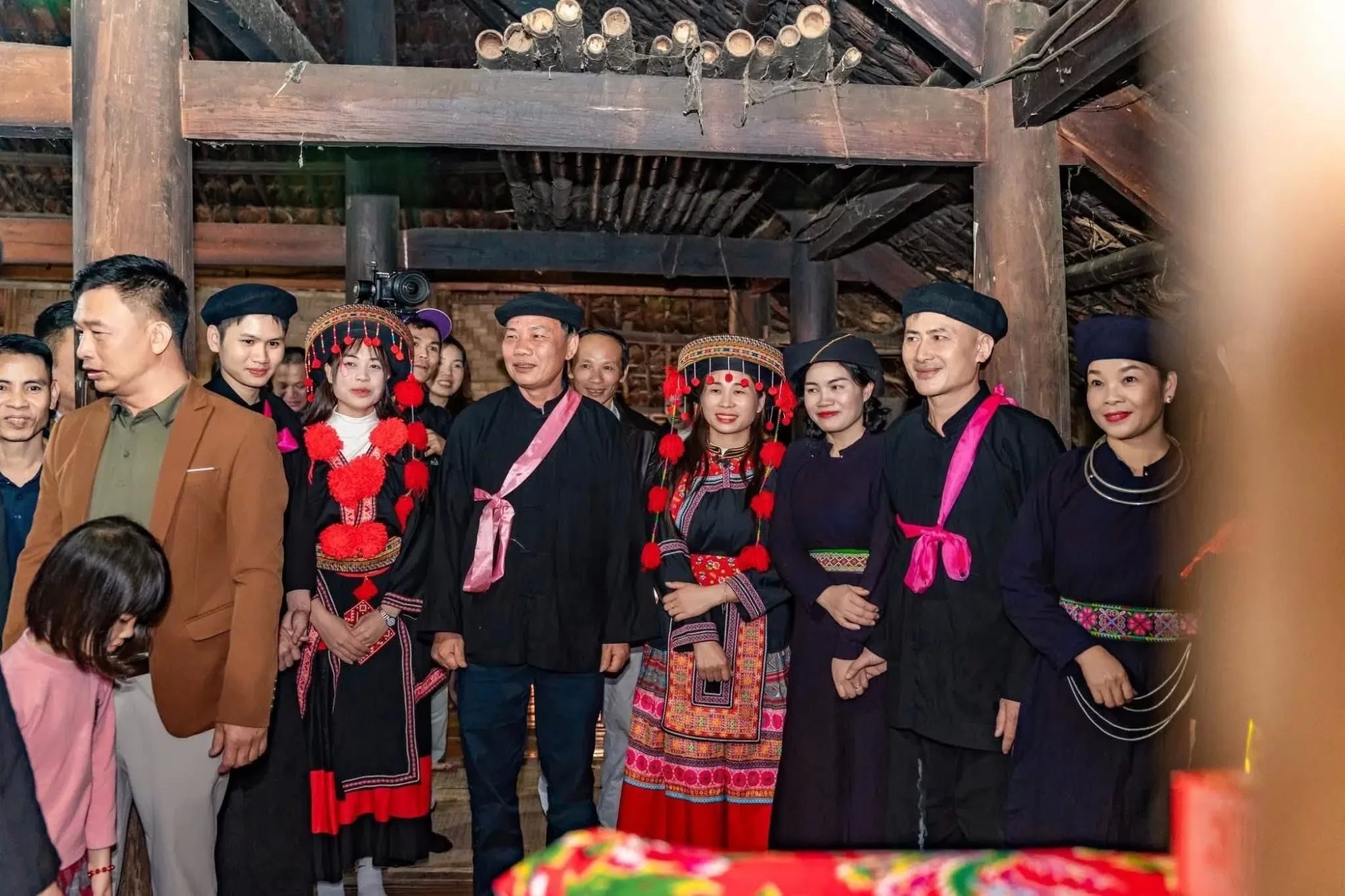
Tay traditional costumes are very simple; the Tay do not favor elaborate colors or patterns. Most of their clothing is dominated by indigo, a color dyed from natural forest plant materials commonly used by ethnic minority communities.
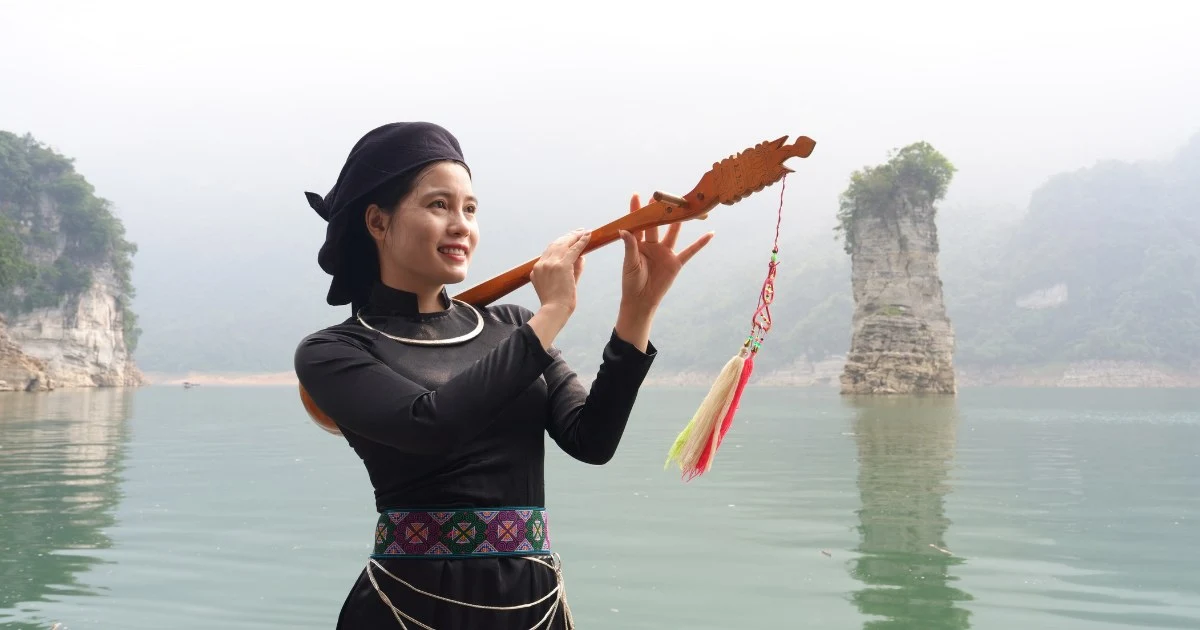
Figure 3: Graceful traditional attire of Tay women in Tuyen Quang
Women’s attire includes: a headscarf, blouse, waist sash, skirt, shoes, and a silver necklace
Men’s attire includes: a four-panel long tunic, indigo or black trousers, and a matching straw hat.
On important occasions, they wear a five-panel tunic reaching to the knee, fastened with buttons at the side. The trousers are cut in a loose, wide-legged style, usually reaching down to the ankle. Since the trousers are typically quite loose, they are worn with an accompanying fabric sash.
Tay jewelry: Most jewelry pieces are made of silver, such as earrings, rings, bracelets, and necklaces, with wealthier families often adding a set of silver chain ornaments worn on the right hip. Tay women’s necklaces are wide, large, and stand out against the indigo or black blouse and skirt, adding to their graceful, warm charm.
2.3. Tay Cuisine — A Living Cultural Heritage
The culinary philosophy of the Tay people originates from their tradition of settling along streams and relying on wet-rice farming combined with foraging forest resources. This relationship has created a sustainable, self-sufficient cuisine — one where people grow, raise, and gather their own food.
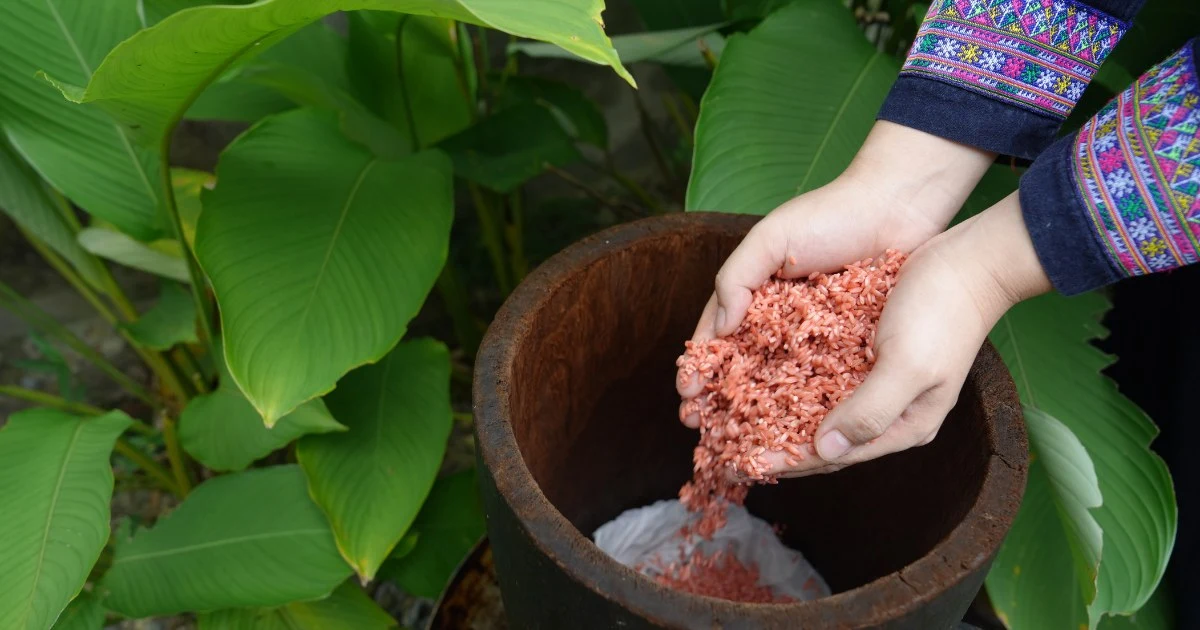
Figure 4: Red glutinous rice soaked using natural plant leaves by local Tay people
The Tay have a saying that reflects their spirit of self-sufficiency in food: “The earth grows rice, bamboo shoots sprout from the forest, fish swim in the stream.” The main ingredients in a Tay meal all come from the fields and sloped farmland, reflecting a harmony with the land.
The Tay favor glutinous rice (used to make Khau nam — sticky rice), which serves not only as everyday food but also as a basic ingredient for ritual offerings, symbolizing abundance and cohesion. Non-glutinous rice, meanwhile, is typically processed into cakes, noodles, and dishes such as sour pho and Khau Sli.
Besides familiar cultivated vegetables, Tay cuisine is distinctive for its seasonal use of wild forest vegetables such as da hien (also known as ranh or bo khai vegetable), fiddlehead fern, bitter bamboo shoots, and various mushrooms. The main source of protein comes from livestock and poultry raised at home, and especially from stream fish (goby, carp) prepared simply to preserve their natural sweetness.
The Symbolic Meaning of Tay Cuisine
Tay cuisine is elevated to the level of art, serving as a means of expressing cosmological beliefs, showing reverence, and connecting with the spiritual world. Dishes in Tay cuisine are always tied to a specific ritual, marking important milestones in the year (festivals) and in a person’s life (life-cycle events).
The Tay make their own version of banh chung with an elongated shape (or sometimes square, but wrapped in wild dong leaves), symbolizing the harmony of heaven and earth (square earth, round sky) and abundance.
In particular, five-color sticky rice (Khau nam dam deng) represents the pinnacle of symbolism in Tay cuisine. The five colors are not just decorative — they also represent the philosophy of Yin-Yang and the Five Elements, the foundation for the workings of the universe and human life.
2.4. Tay Culture: From Traditional Festivals to Then Singing
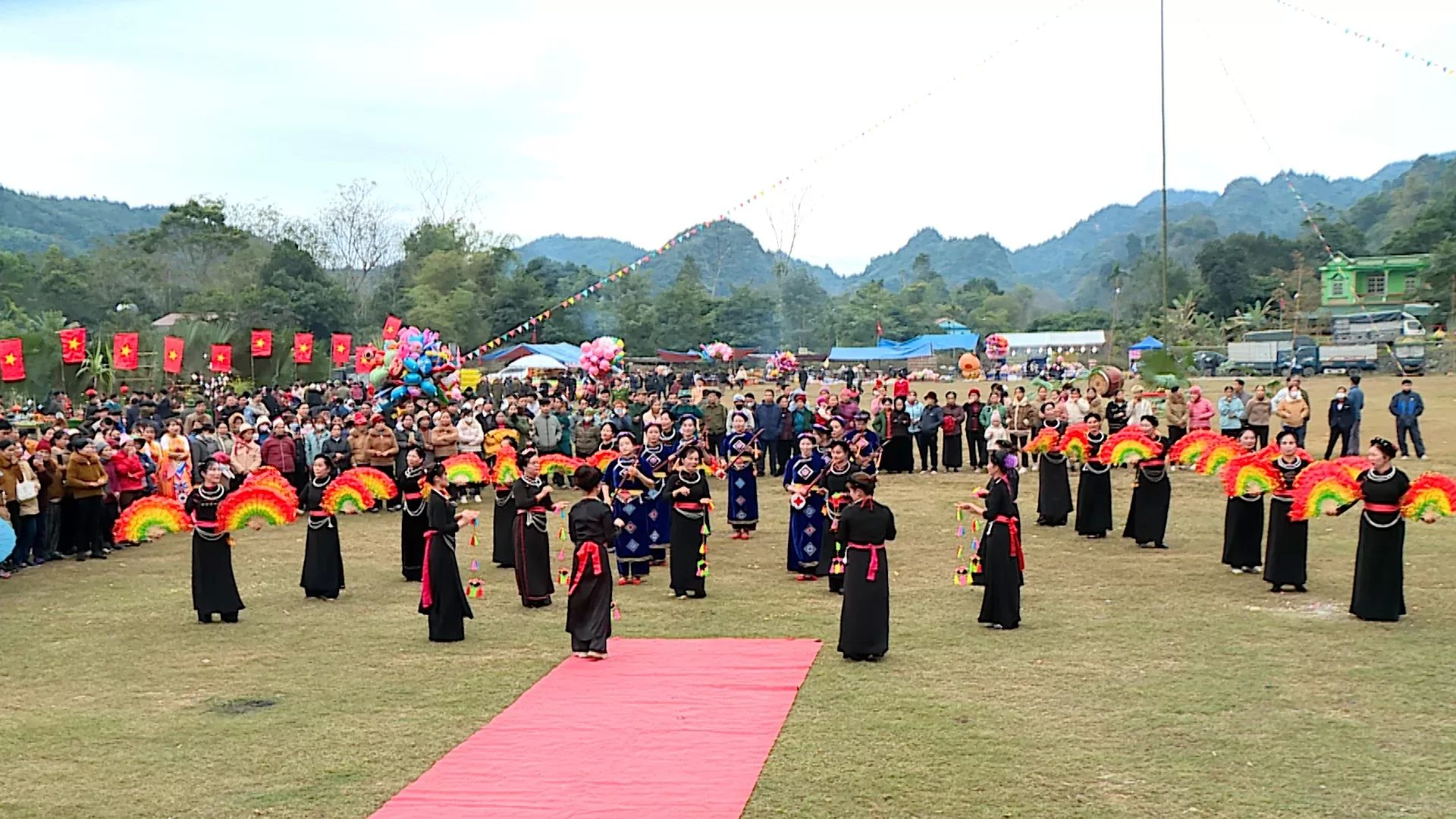
Alongside their festivals, the Tay people also possess a rich treasury of folk arts, including melodies such as luon, vi singing, lullabies, children’s folk rhymes, and especially Then singing.
In 2019, the Practice of Then by the Tay, Nung, and Thai people in Vietnam was recognized by UNESCO as an Intangible Cultural Heritage of Humanity, affirming the distinctive value of this art form.
During performances, the sound of the Tinh lute resonates alongside traditional instruments such as the drum, pi le flute, and pan tau horn, creating a cultural space rich in identity.
For visitors, listening to and exchanging with performers, and learning about the art of Then, is one of the most memorable experiences when exploring Tuyen Quang tourism and Tay culture.
2.5. Livelihoods: Farming, Basket Weaving, and Brocade Weaving
The life of the Tay people is closely tied to rice fields, sloped farmland, and nature. For generations, they have made their living mainly through wet-rice farming, growing corn and vegetables, and raising livestock. Each crop season reflects their diligence, farming experience, and the spirit of community cohesion passed down through generations.
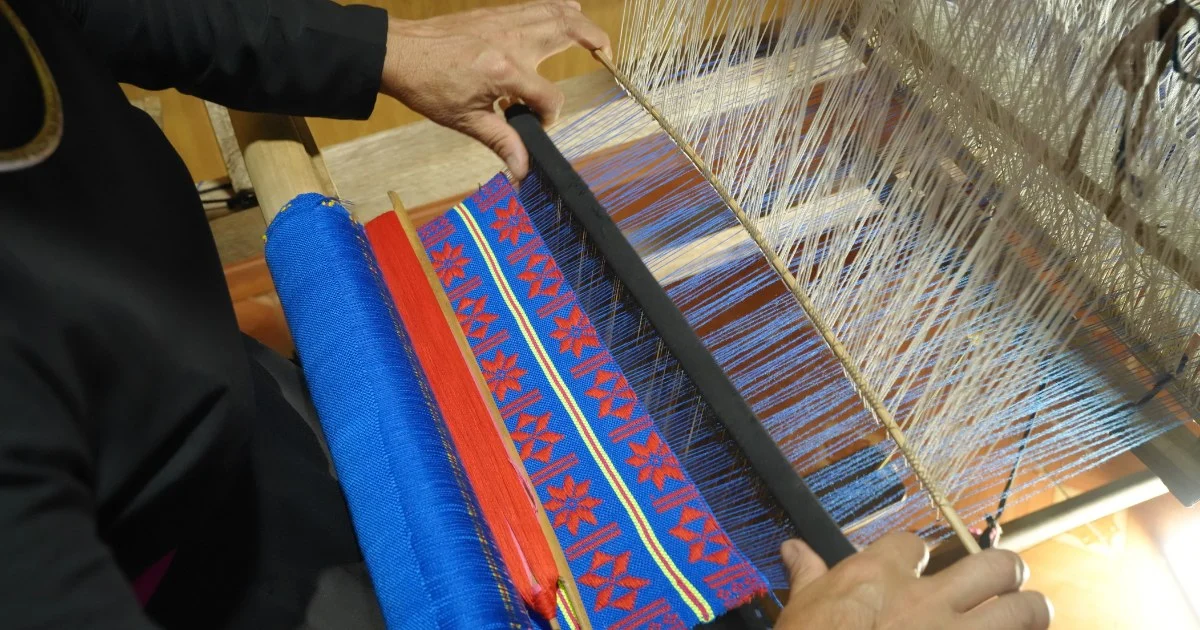
Figure 5: Experiencing brocade weaving while visiting Tuyen Quang
Alongside agricultural production, the Tay people in Tuyen Quang still preserve many traditional handicrafts such as basket weaving and crafting ethnic musical instruments, and especially brocade weaving.
These hand-woven fabrics, with their intricate patterns, showcase not only the skill and meticulousness of Tay women but also preserve the distinctive cultural values of the ethnic group.
For visitors, this is one of the most appealing activities when taking part in experiential tourism. In the villages, visitors can follow locals into the fields to plant rice, harvest crops, try sitting at a loom to weave brocade, or weave simple items by hand.
These authentic experiences not only help visitors better understand the working life of the Tay people but also contribute to the unique appeal of Tuyen Quang tourism.
3. Suggested Itinerary: A Day Living with the Tay People in Tuyen Quang
Morning: Greeting the Dawn and Joining the Rhythm of Village Life
The day begins as dawn light filters through the stilt-house roofs, a thin mist still lingers over the fields, and roosters crow across the village. Visitors can take a stroll around Na Tong Cultural Village, breathe in the fresh air, and join their host family in preparing a breakfast of traditional dishes.
After breakfast, visitors change into suitable clothing to head out to the fields with locals. Depending on the season, you may take part directly in activities such as transplanting or harvesting rice, cutting grass, gathering firewood, or working on sloped farmland. This is an opportunity to experience the genuine rhythm of Tay working life and gain a deeper understanding of the bond between people and nature.
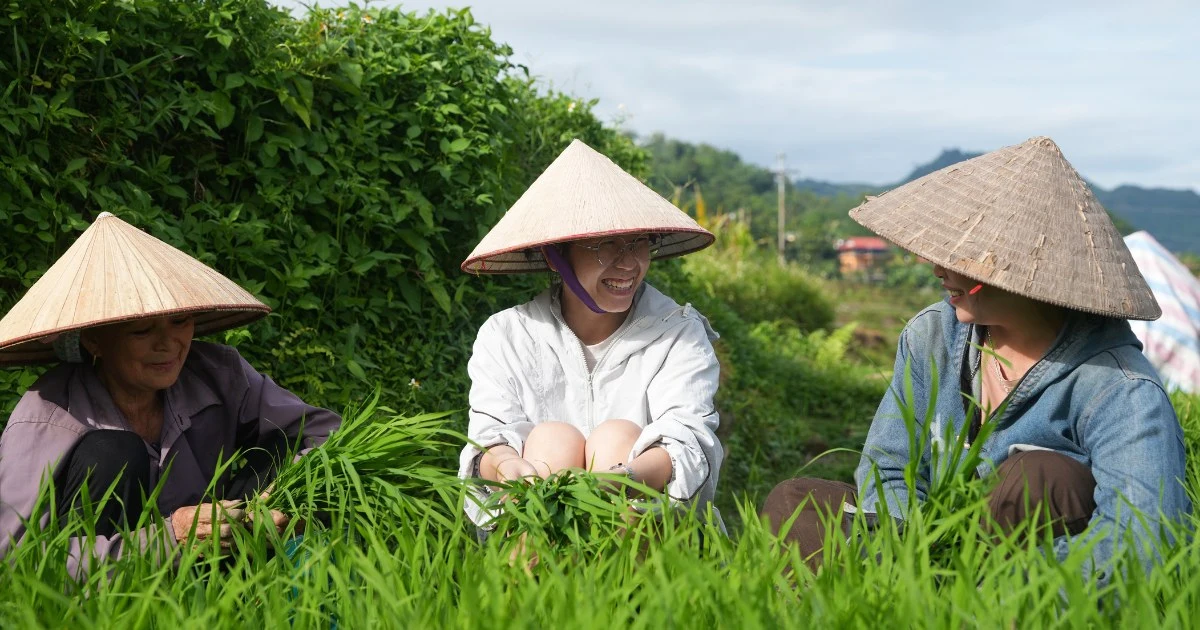
Figure 6: Visitors helping locals prepare rice seedlings
Lunch: Preparing a Traditional Meal
As the sun climbs high, everyone returns to the stilt house to prepare lunch. Visitors can join the host family in lighting the stove, catching stream fish, picking vegetables from the garden, and cooking dishes with the distinctive flavor of the mountains and forests.
The meal is not only a chance to enjoy local specialties but also a bonding moment, where stories about life, customs, and Tay culture are shared naturally.
Afternoon: Exploring Traditional Handicrafts
As the sun softens, the Tay people continue their familiar handicraft work, such as basket weaving, spinning thread, and brocade weaving.
Under the guidance of local artisans, visitors can wear traditional costumes, try sitting at a loom to weave brocade patterns, or hand-weave simple items from bamboo.
Each experience helps visitors better appreciate the skill and value of these traditional crafts, which are still preserved today.
Evening: Enjoying Local Culture
As the sun sets behind the mountains, the stilt house becomes warm and cozy in the glow of the hearth fire. If you arrive during a festival or a cultural exchange event, you’ll get to enjoy Then melodies and the resonant sound of the Tinh lute amid the mountain scenery, experiencing the beauty of an art form that has been woven into the spiritual life of the Tay people for generations.
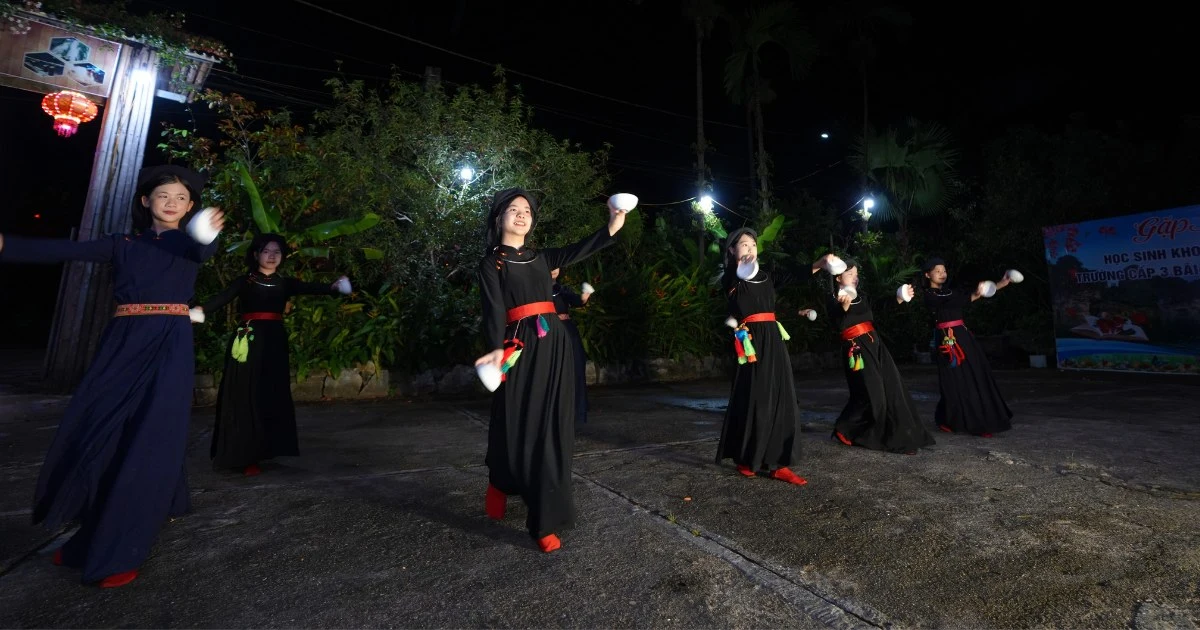
Figure 7: Bat Dance — A Distinctive Dance of the Tay People in Tuyen Quang
By the hearth fire, cups of corn wine are passed around along with stories about the village, the harvest, and life in the highlands. It is precisely this simplicity that gives experiential tourism its special appeal and leaves unforgettable memories on the journey of exploring Tuyen Quang tourism.
The Tay community is one of the essential pieces shaping the cultural identity and appeal of Tuyen Quang tourism. Values passed down through generations not only help preserve heritage but also offer visitors authentic and meaningful experiences. Don’t forget to follow Hidden North Vietnam Blog to discover more stories, destinations, and travel tips, and to plan a complete journey exploring the Tay community.
See more:
- Tay Wedding – A Unique Feature That Gives Tuyen Quang Tourism Its Appeal
- Vietnamese Tet Culture 15 Customs
- H’Mong Beeswax Batik Art
- Which Month Is Best to See the Le Hong Thai Pear Blossom Season? Tips for Choosing Outfits and Photo Spots
- Tuyen Quang Travel 2 Days 1 Night: Discovering the Most Beautiful Destinations in the Northeast
Hidden North Vietnam – Chau Hoang Linh Nga is proud to be a trusted travel companion, specializing in distinctive local products and travel experiences in the mountainous region of Northern Vietnam, and in finding the best time to visit Na Hang Lake. If you’re planning to explore this pristine beauty, please reach out using the contact details below so the Hidden North Vietnam team can quickly and promptly support you for a safe, convenient, and complete journey:
Website: Hidden North Vietnam
Hotline: (+84) 828 288 328
WhatsApp: (+84) 328 537 966