Responsible travel is not only a trend in the modern tourism industry but also a way for every visitor to help preserve the original beauty of the highland villages of northern Vietnam. Through respecting local culture, protecting the environment, and standing alongside the community, every journey brings sustainable value. Join Hidden North Vietnam in exploring the principles, benefits, and meaningful experiences that turn every trip into a positive mark for both visitors and the destination.
1. What is responsible travel?
1.1. The concept of responsible travel
According to Vietnam’s National Tourism Administration under the Ministry of Culture, Sports and Tourism, responsible travel is understood as:
- Minimizing negative economic, environmental, and social impacts
- Generating greater economic benefits and improving welfare for local residents
- Improving working conditions and participation in tourism activities
- Encouraging local residents to take part in decisions that affect their lives
- Contributing positively to the preservation of natural and cultural heritage in order to maintain a diverse world
- Providing enjoyable experiences for visitors through the connection between tourists and local residents
- Building understanding of local cultural, social, and environmental issues
- Creating opportunities for people with disabilities and those in difficult circumstances
- Respecting local culture and encouraging mutual respect between tourists and local residents
- Building trust and national pride within the community
1.2. How is responsible travel different from ordinary tourism?
The biggest difference lies in how visitors approach the destination.
While ordinary tourism focuses on sightseeing and relaxation, responsible travel encourages each person to learn about the culture, customs, and way of life of the local community before experiencing it. This helps limit behaviors that could unintentionally affect the lives of local residents.
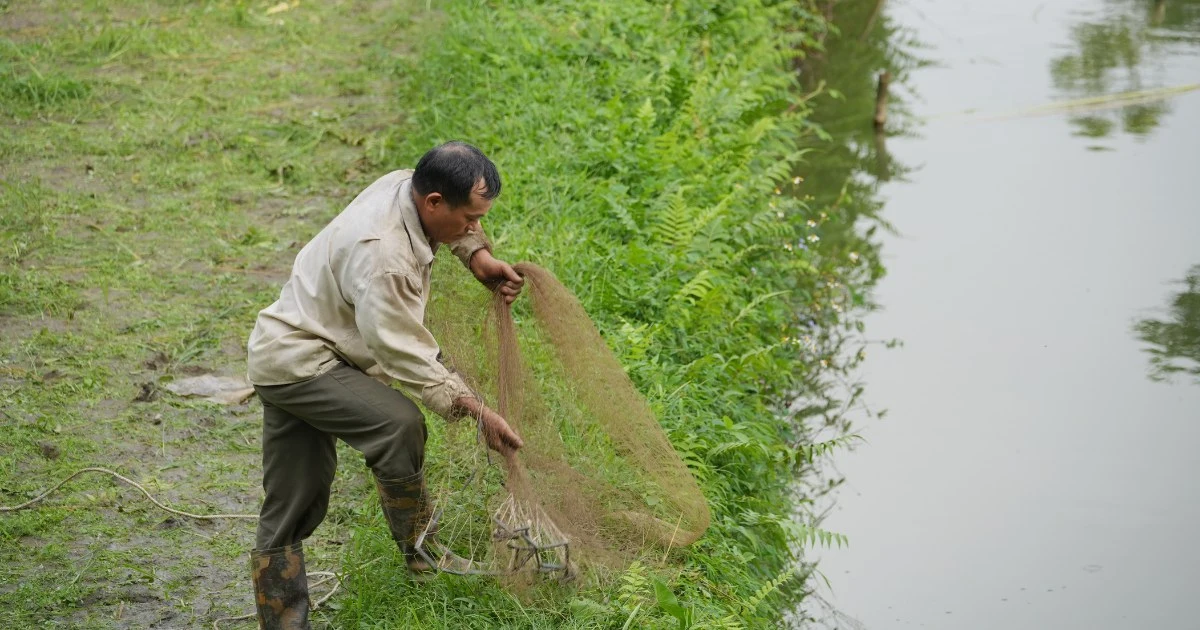
Figure 1: The daily life of local residents in Hong Thai, Tuyen Quang
In addition, this form of tourism also aims to use services provided by local residents. From homestays and local guides to traditional handicraft products, every choice helps create additional livelihoods and preserve long-standing cultural values.
2. Why is the trend of responsible travel growing?
In recent years, global travel trends have changed significantly. Instead of just visiting famous attractions, more and more visitors want to immerse themselves in local life and create positive value for the communities they visit.
In particular, visitors from Europe, Australia, and North America tend to prioritize sustainable travel journeys. They care about reducing plastic waste, lowering carbon emissions, using local services, and respecting the cultural identity of local communities.
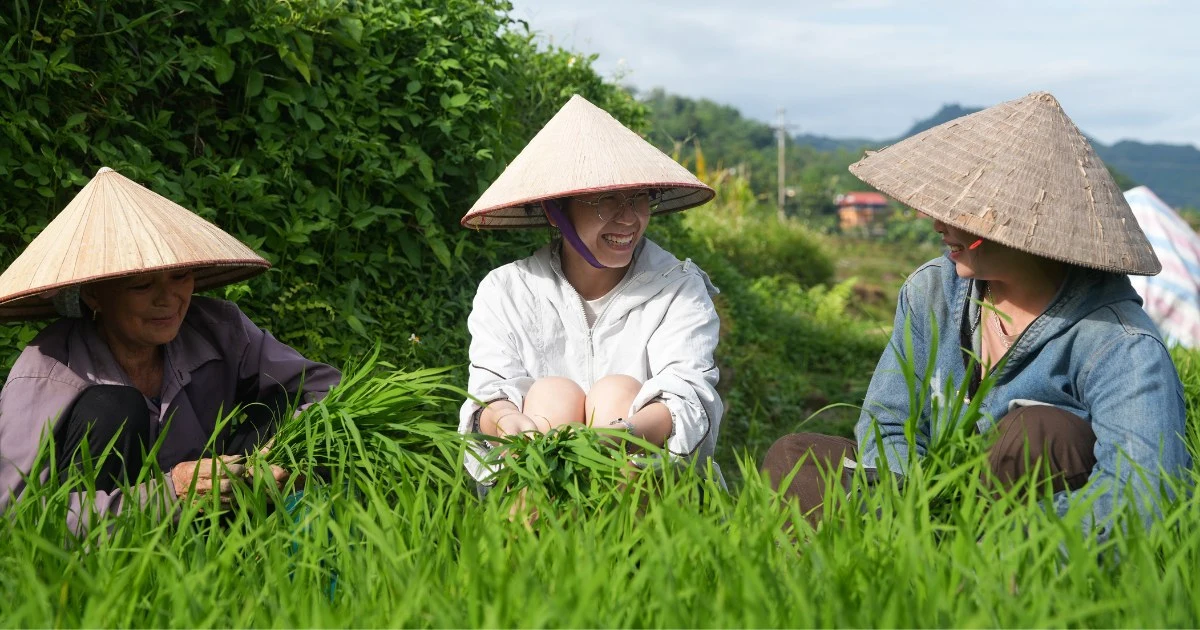
Figure 2: Visitors experiencing rice seedling transplanting with the local community in Hong Thai, Tuyen Quang
According to Mr. Dang Xuan Son, Chairman of the Responsible Tourism Club, Vietnam is becoming an attractive destination, drawing millions of domestic and international visitors each year. Beyond seeking a complete vacation, many visitors also want to contribute positive value to the destination through activities that protect the environment, preserve culture, and support local communities. As a result, responsible travel – a model that upholds respect for the natural environment and local residents – is increasingly being chosen by visitors (quoted from: Vietnam National Administration of Tourism)
This trend has also drawn the attention of many organizations and experts in the tourism industry. Among them, projects supported by the European Union (EU) have implemented a Responsible Tourism Awareness Program, helping promote sustainable tourism development and spread positive values to businesses, communities, and visitors.
3. Why do highland villages in the North need to develop responsible tourism?
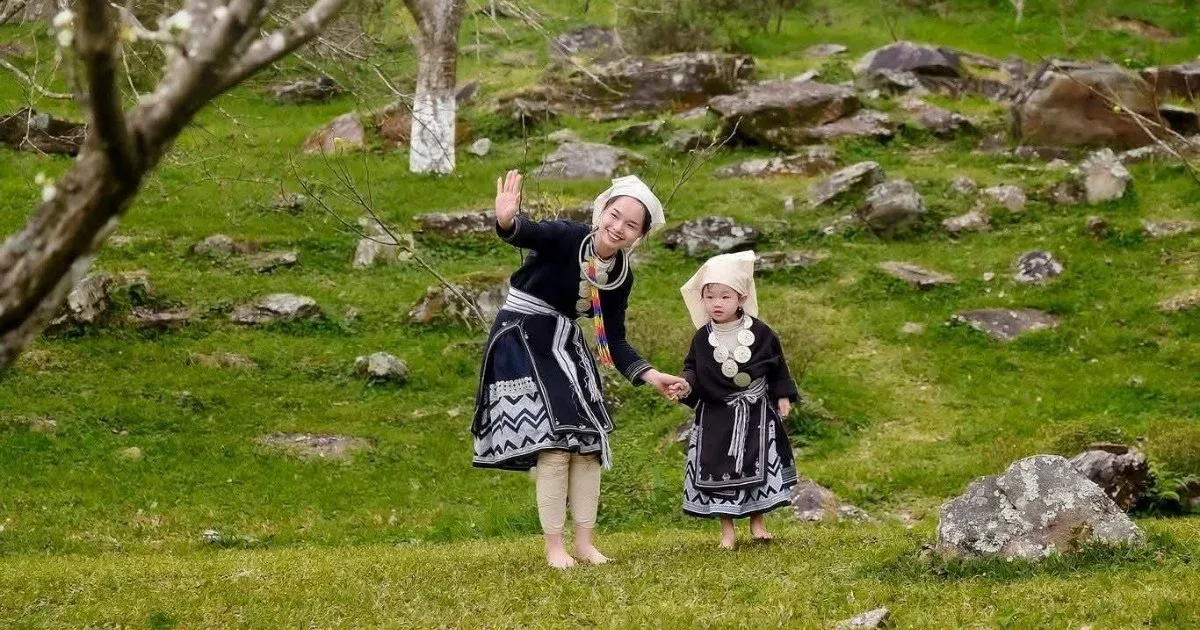
The highland villages of northern Vietnam possess a distinctive beauty, with majestic mountains and forests, sweeping terraced rice fields, and the diverse culture of many ethnic minorities. This is not only an appealing destination but also a place that preserves traditional values passed down through many generations.
Therefore, developing responsible travel is the solution that helps balance tourism development with long-term preservation, through:
- Preserving the cultural identity of ethnic minority communities
- Protecting the environment and natural ecosystems
- Creating sustainable livelihoods for local residents
4. Principles for a responsible traveler at the destination
- Respect the customs and traditions of local residents
- Limit plastic waste and protect the environment
- Prioritize using services provided by the local community
- Ask permission before photographing local residents
- Talk with the community instead of just visiting the destination
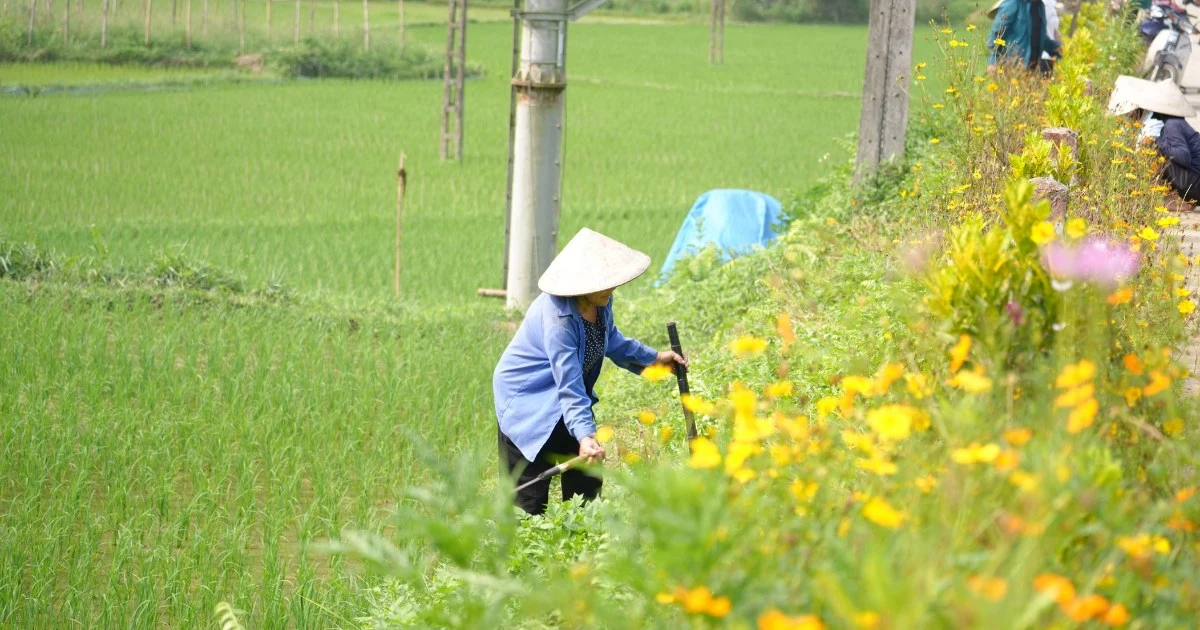
Figure 3: A view of Na Tong Cultural Village, Lam Binh, Tuyen Quang
5. Things not to do when visiting local community villages
- Do not give money or cash gifts to children without permission
- Do not litter, as it affects the natural scenery of the destination
- Do not make noise outside designated hours in densely populated residential areas
- Do not enter homes or sacred areas without permission
- Do not exploit or take away natural resources
6. Suggested responsible travel experiences with Hidden North Vietnam
Hidden North Vietnam offers journeys that help visitors not only discover beautiful scenery but also connect with the local community, respect local culture, and contribute to the development of responsible tourism in the northern mountains of Vietnam.
6.1. Living and sharing daily life with local residents in Lam Binh
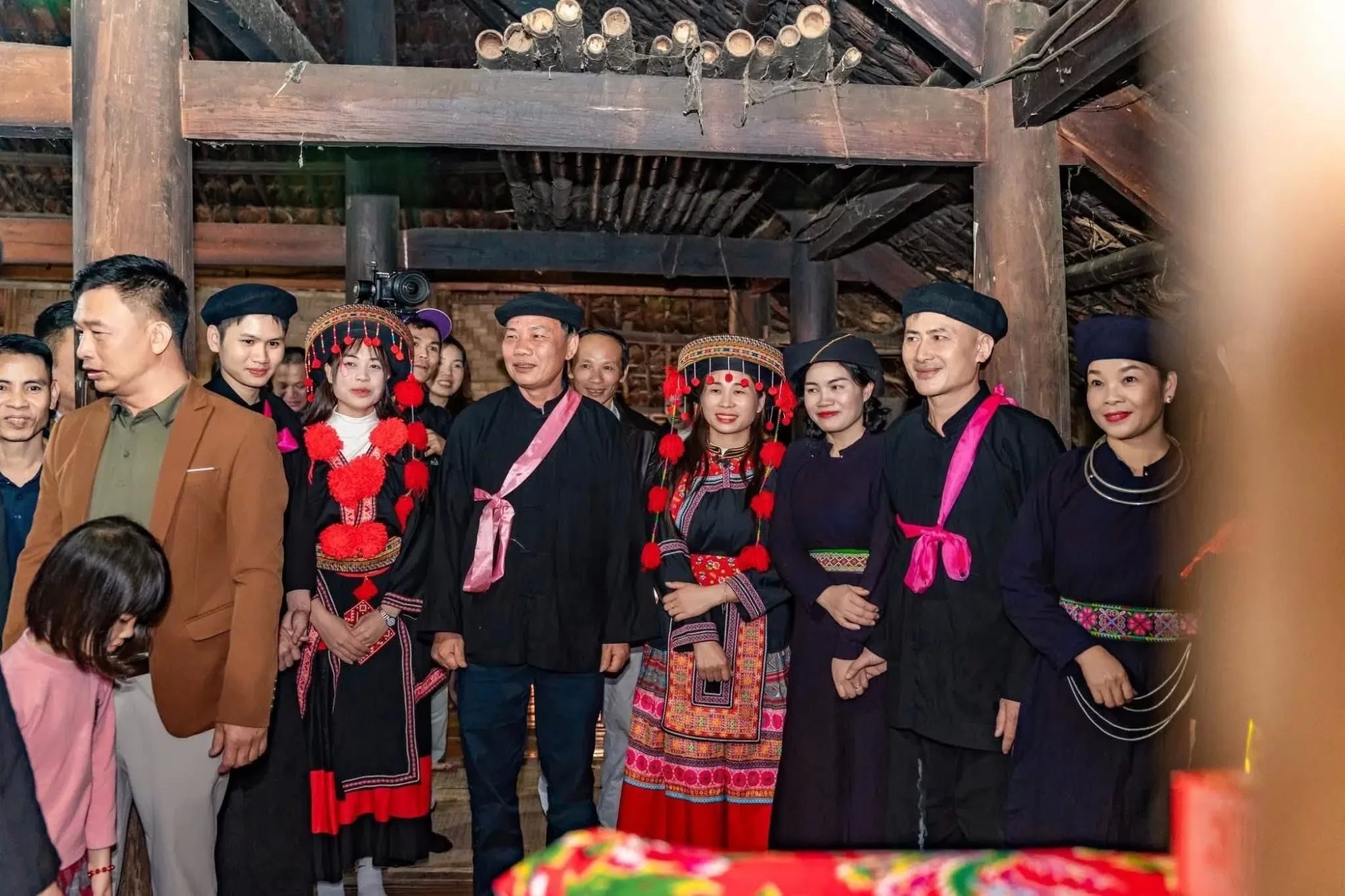
Staying at a homestay in Lam Binh gives visitors the chance to immerse themselves in the daily rhythm of Tay life. From preparing a traditional meal and enjoying Then singing to chatting with the host family, each experience helps you better understand the culture and life of the highlands.
See also: Community tourism experiences in Lam Binh.
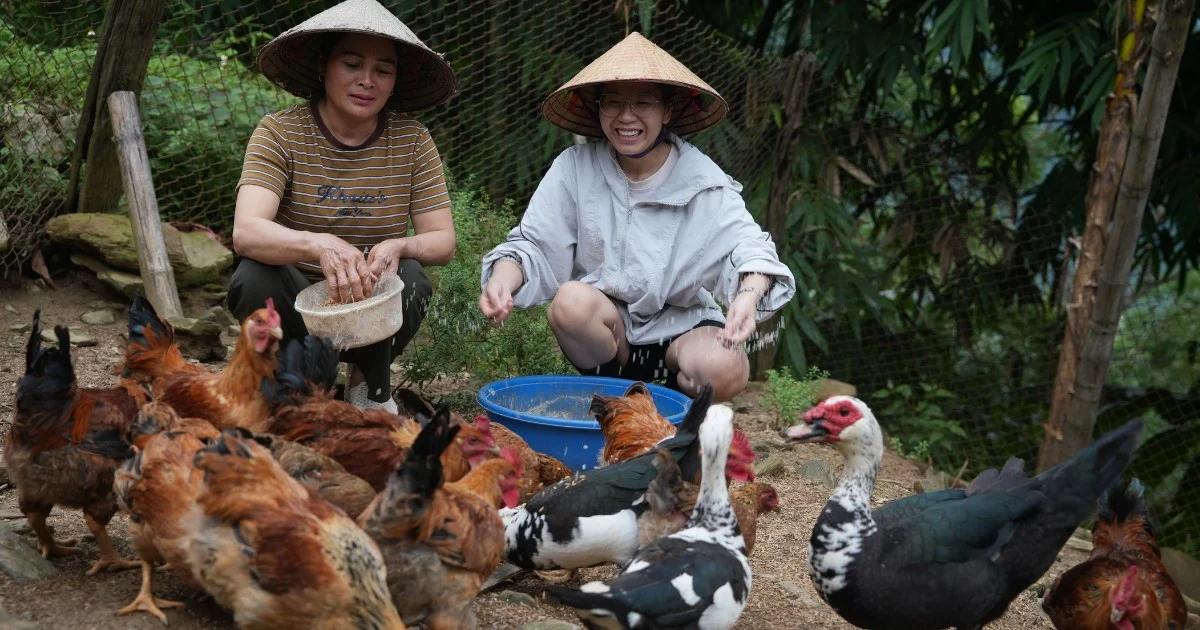
Figure 4: Experiencing chicken-raising with local residents
6.2. Discovering traditional highland cuisine
Local cuisine is an indispensable part of exploring the culture. Visitors can enjoy dishes made from local ingredients such as river fish, five-color sticky rice, forest bamboo shoots, native pork, or free-range chicken, while learning the story behind each traditional dish.
6.3. Experiencing traditional handicrafts
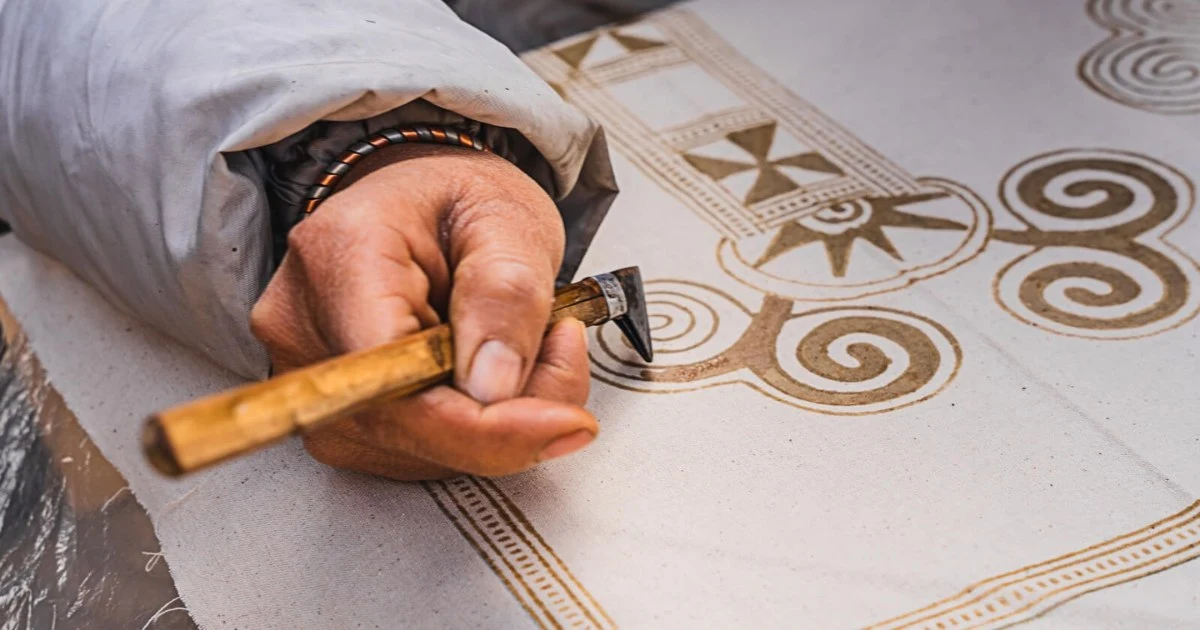
Joining in brocade weaving, making traditional cakes, or learning about long-standing handicrafts helps visitors appreciate the skill and cultural value that the local community has preserved through many generations. This is also a practical way to help preserve traditional trades that are gradually fading.
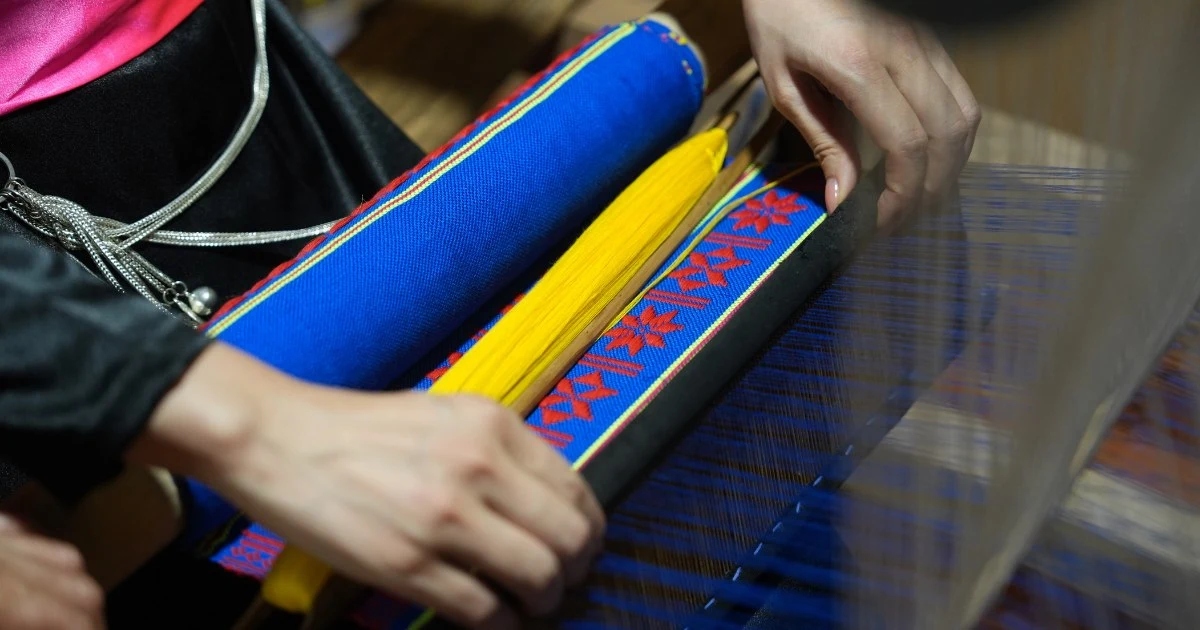
Figure 5: Experiencing brocade weaving with the Tay community
6.4. Trekking and exploring nature
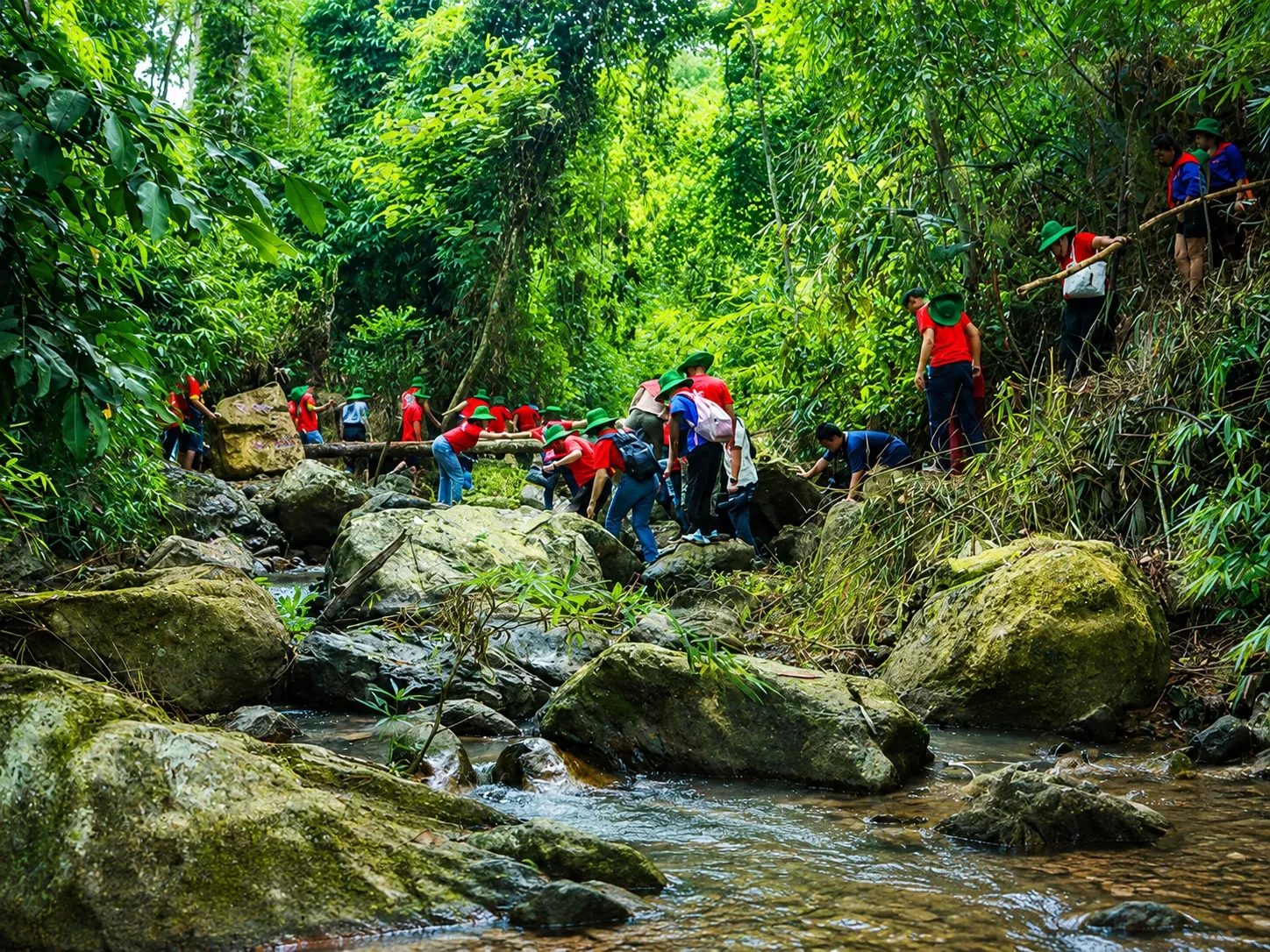
Trekking routes through primeval forests, terraced rice fields, and ancient Shan Tuyet tea gardens in Hong Thai offer an experience close to nature. Throughout the journey, visitors are encouraged to stay on marked trails, avoid littering, and minimize impact on the ecosystem, helping protect the pristine landscape of the highlands.
See more: Hong Thai travel tips
6.5. Joining local cultural activities
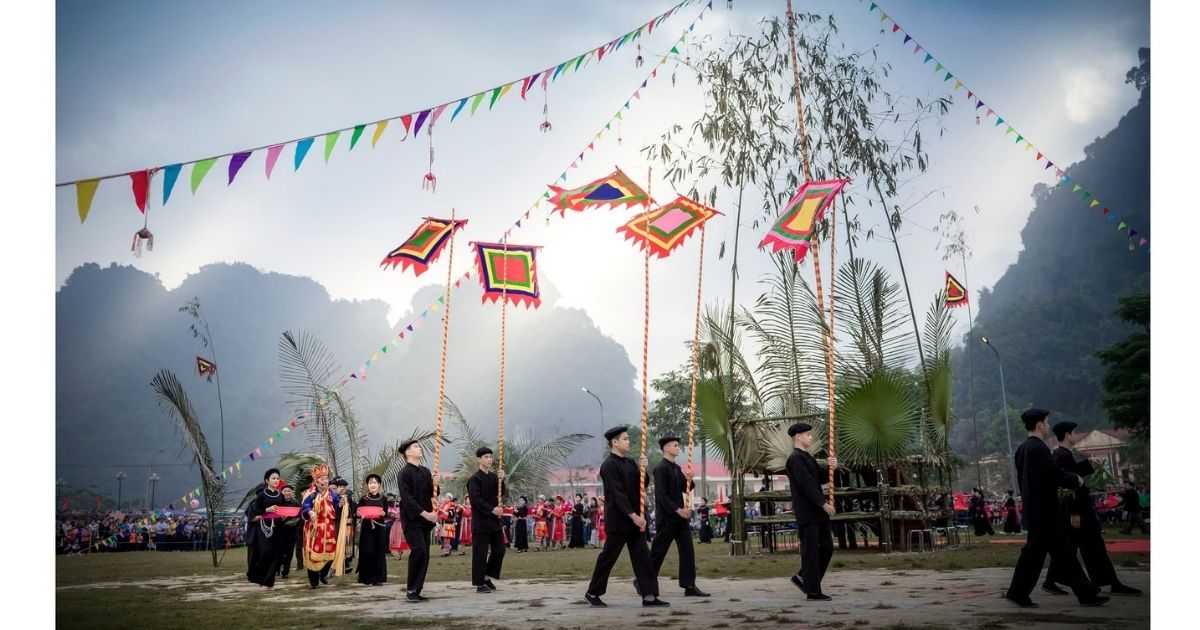
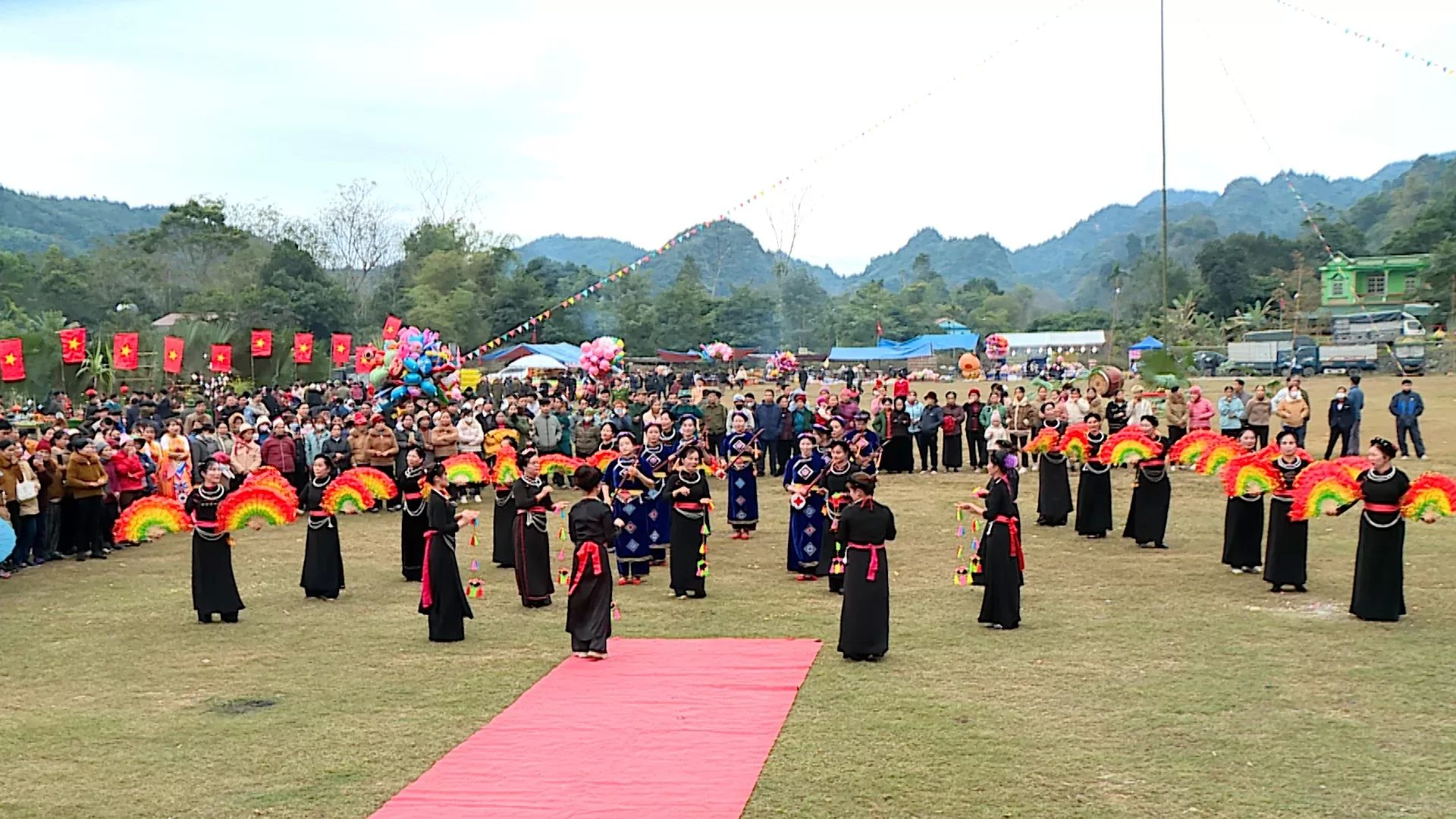
If you visit during festival season, you will have the chance to immerse yourself in traditional cultural activities such as Then singing, folk dancing, market fairs, or the distinctive festivals of the ethnic communities. Rather than just observing, you get to directly experience and learn about cultural values passed down through many generations, helping spread the spirit of responsible travel.
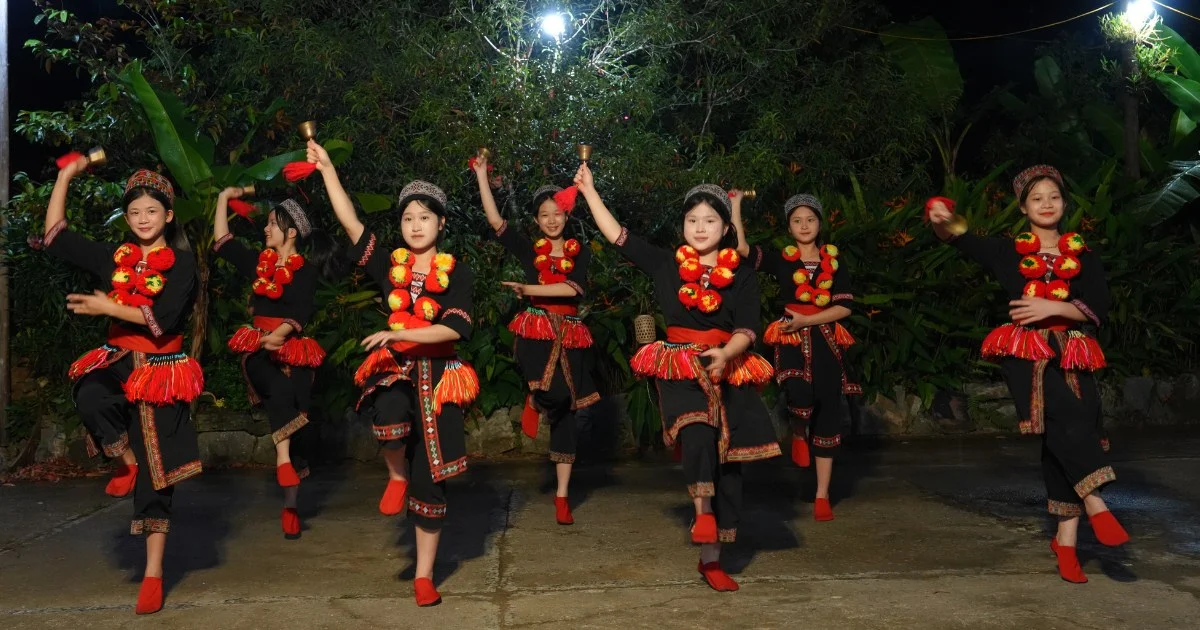
Figure 6: Experiencing and joining cultural performances with the local community
7. Hidden North Vietnam’s commitment to responsible travel
According to Ms. Chau Hoang Linh Nga – Founder of Hidden North Vietnam, tourism should not only generate economic value but also help preserve culture, protect nature, and improve the quality of life of local communities. A journey is only truly meaningful when its benefits are shared harmoniously among visitors, local residents, and the destination.
With that direction in mind, Hidden North Vietnam always:
- Prioritizes using local services: accommodation, guiding, and community services
- Respects local ways of life
- Introduces culture with the consent of the community
- Limits waste and protects the natural landscape
- Shares tourism benefits with local residents
- Each journey is designed to preserve local identity, support the local community, and protect natural beauty, working toward a sustainable tourism future.
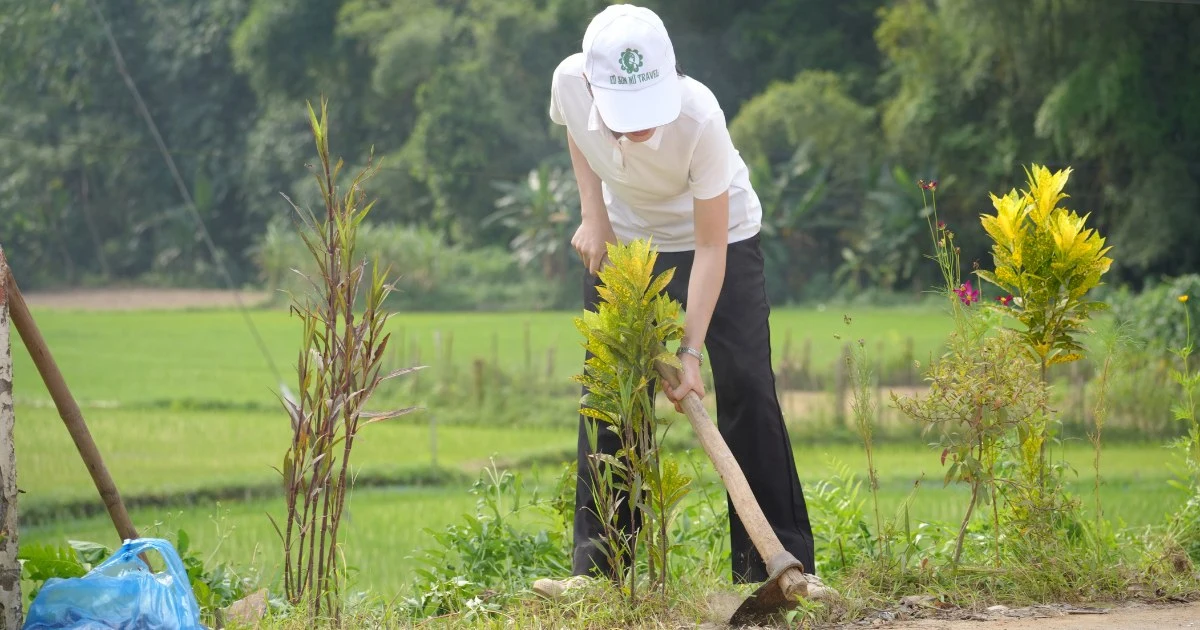
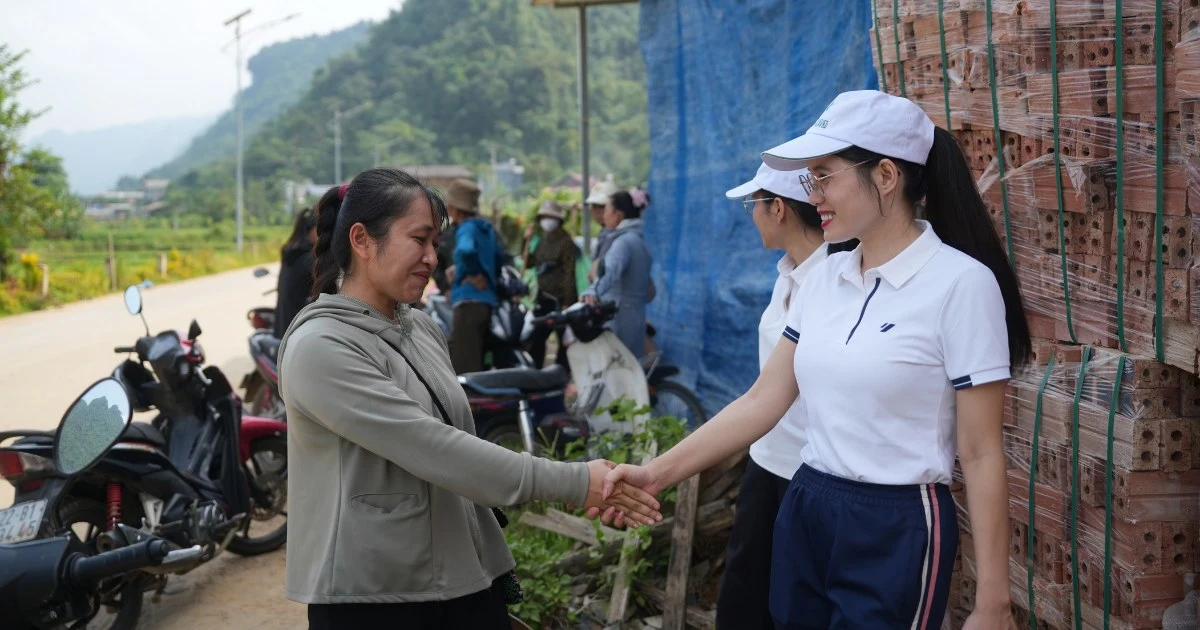
Figure 7: Hidden North Vietnam staff and local residents cleaning village roads together to protect the environment and landscape
See the full commitment at: Hidden North Vietnam’s Responsible Travel Commitment
Every small action by a visitor can help preserve the cultural values, nature, and life of the local community. Choosing responsible travel not only brings authentic experiences but also helps preserve the original beauty of highland villages for many generations to come. Follow the Hidden North Vietnam Blog to discover more stories, experiences, and sustainable travel journeys, and start planning your next meaningful trip.
See more:
- The A-to-Z Guide to Traveling Na Hang Lam Binh Lake for First-Timers
- Private Tour or Group Tour – Which Is the Right Choice for You
- Packing Tips for Traveling in the Northern Mountains of Vietnam
- Responsible Travel – Preserving the Original Beauty of Highland Villages in Northern Vietnam
- Unique Heritage of the Northeast – Tay Brocade Weaving in Tuyen Quang
Hidden North Vietnam – Chau Hoang Linh Nga proudly serves as a trustworthy travel companion, specializing in distinctive local travel products and experiences in the northern mountainous region of Vietnam, and finding the best time to travel to Na Hang Lake. If you are planning to explore that pristine beauty, please reach out through the contact information below so the Hidden North Vietnam team can quickly and promptly support you for a safe, convenient, and complete journey:
Website: Hidden North Vietnam
Hotline: (+84) 828 288 328
WhatsApp: (+84) 328 537 966