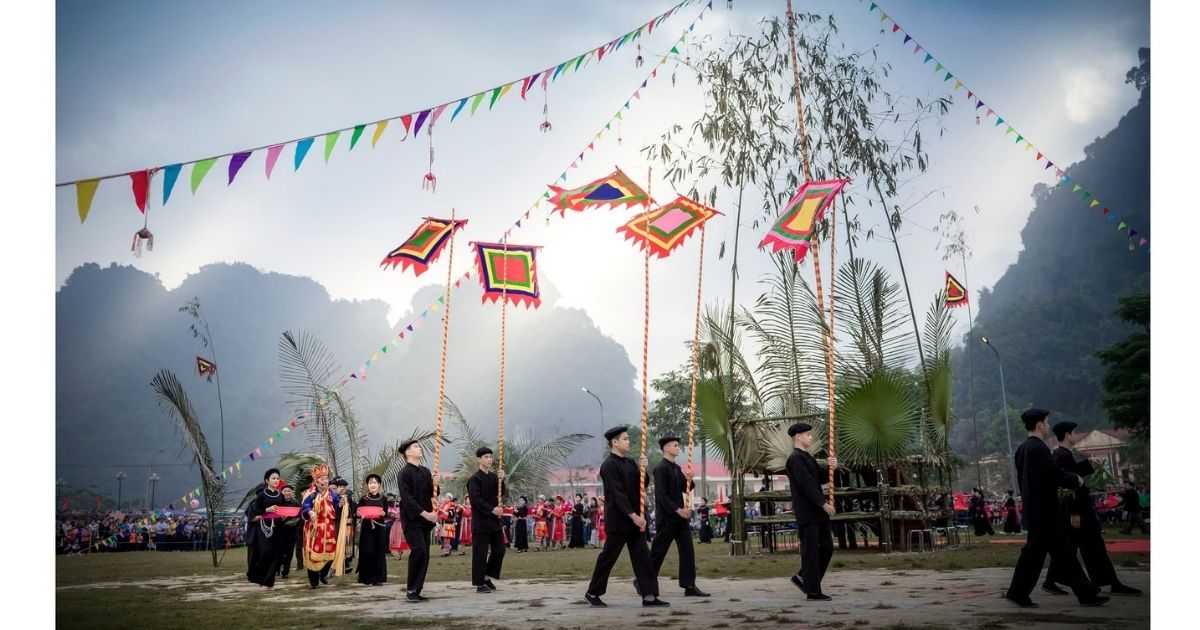
The Long Tong Festival not only opens a new production season but also re-enacts the profound harmony between people, community, and heaven and earth in the life of the Tay people. Join Hidden North Vietnam in exploring the rituals and distinctive cultural values that give the festival its vitality.
1. Why Do the Tay People Hold the Long Tong Festival at the Start of the Year?
1.1. What Is Long Tong?
The Long Tong Festival dates back to ancient times, closely tied to the agricultural life and folk beliefs of the Tay people. In the Tay language, “Long Tong” (Long Tong) means “going down to the fields,” referring to heading out to the fields and starting cultivation for a new crop season.
For this reason, the festival is usually held at the start of the year, when people begin a new production cycle, with hopes for favorable weather, bountiful crops, and a peaceful, prosperous life.
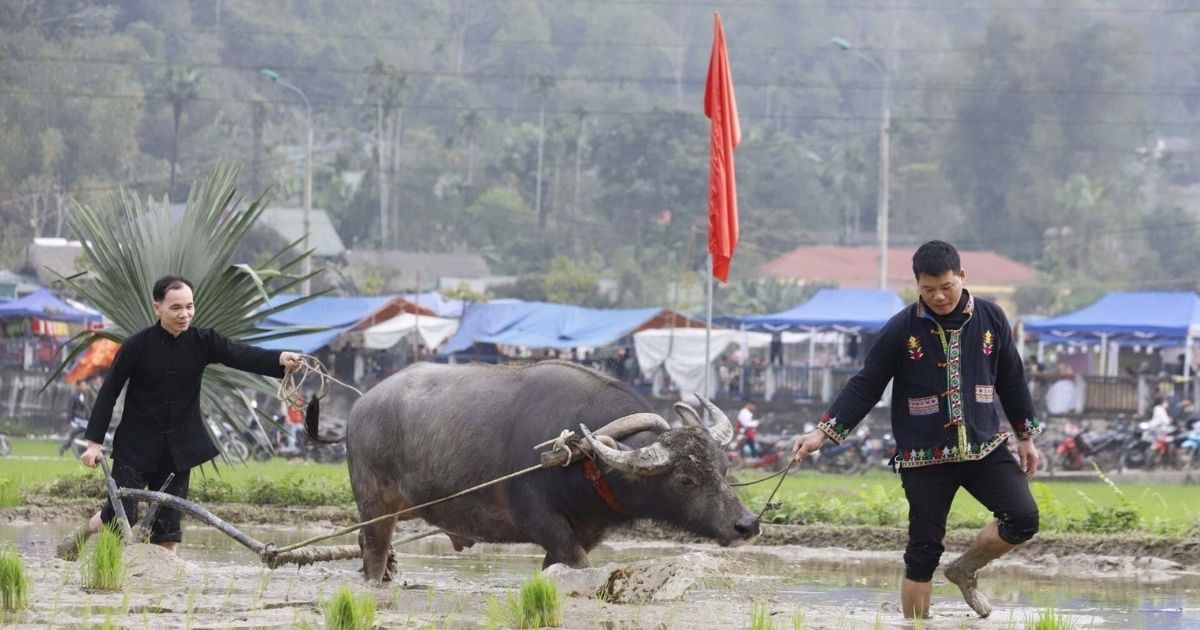 Figure 1: Villagers going down to the fields to begin a new production cycle. Photo source: collected
1.2. Why Do the Tay People Hold the Festival at the Start of the Year?
The Long Tong Festival is usually held in early spring, after the Lunar New Year, when the weather gradually warms and people prepare to enter a new crop season.
This is a time of special significance for an agricultural community, since a favorable harvest is closely tied to the prosperity and peace of every family.
Through the festival, the Tay people express their hopes for favorable weather, bountiful crops, thriving livestock, and a prosperous, happy life.
For this reason, holding Long Tong at the start of the year not only marks the beginning of a new production season but also reflects the community’s faith, gratitude, and hope for a favorable year.
1.3. The Tay People’s Concept of Earth, Heaven, the Harvest, and Fertility
In their folk beliefs, the Tay people hold a concept of the connection between Heaven, Earth, and Water and human beings.
Nature is viewed as a unified whole with interdependent relationships, in which land, water sources, and weather play an important role in agricultural production and the community’s survival.
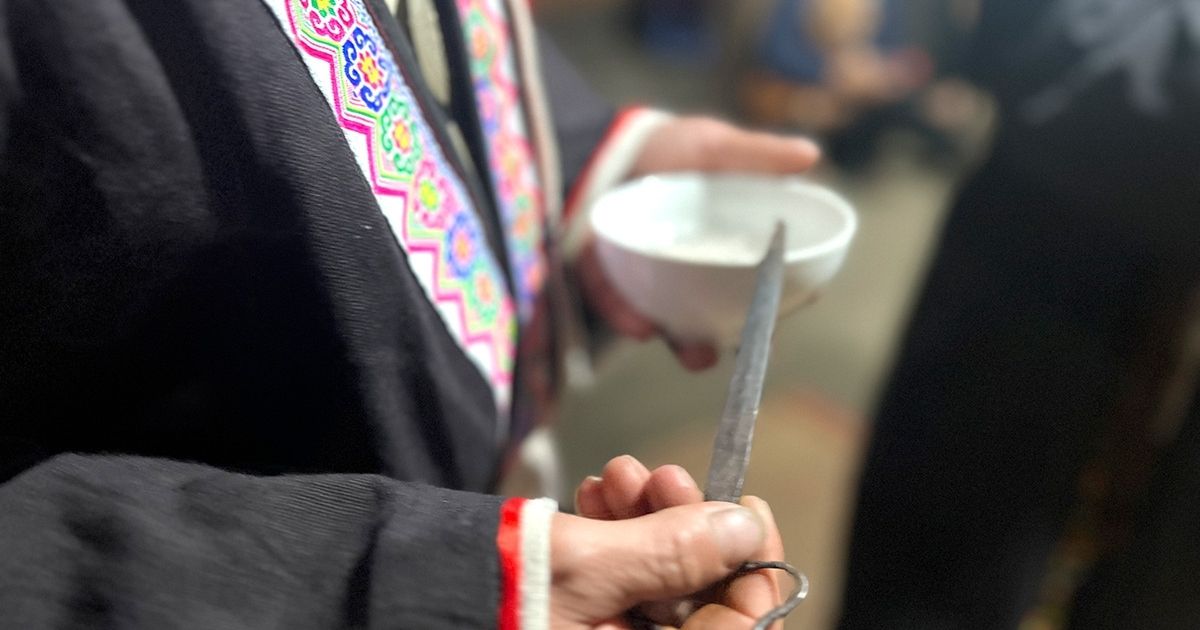
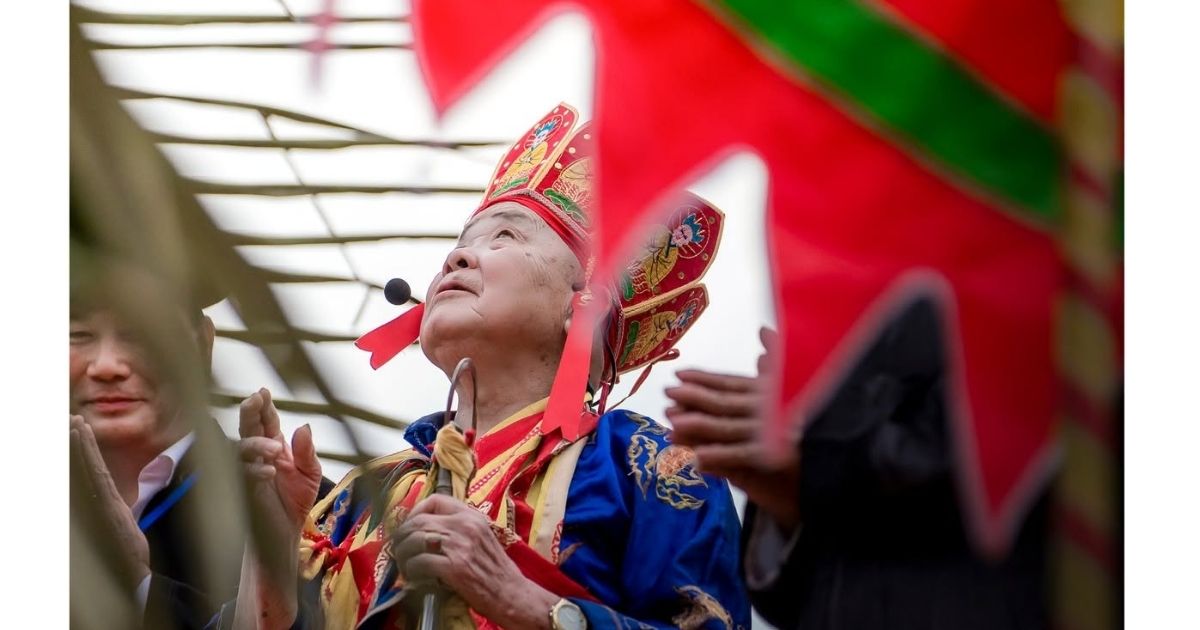 Figure 2: A Mo priest performing the ritual to welcome the deities and connect heaven and earth Photo source: collected
From this concept, the Tay people developed beliefs praying for favorable weather, bountiful crops, thriving people and livestock, and a prosperous life.
The Long Tong Festival is a typical expression of this harvest-praying belief. In the festival, the con ball also carries symbolic meaning, representing hopes for fertility, growth, and good fortune in the new year.
2. The Unique Rituals That Define the Cultural Identity of the Tay People in Tuyen Quang
The Long Tong Festival is not only an occasion to open a new crop season but also a space for the Tay people to express their beliefs, gratitude toward the deities, and hopes for a prosperous life.
Depending on the locality, the rituals within the festival may vary, but they generally revolve around welcoming the deities, making offerings, praying for rain, and performing the rites of going down to the fields and sowing seeds.
The Deity Procession
Villagers organize a palanquin procession carrying spirit tablets or offerings for deities tied to agricultural life, such as the God of Agriculture (Than Nong), the Village Guardian God (Thanh Hoang), mountain deities, and stream deities, from the communal house, temple, or shrine to the ritual field.
The rite expresses reverence and the wish for the deities to bless the villagers with a peaceful year and a favorable harvest.
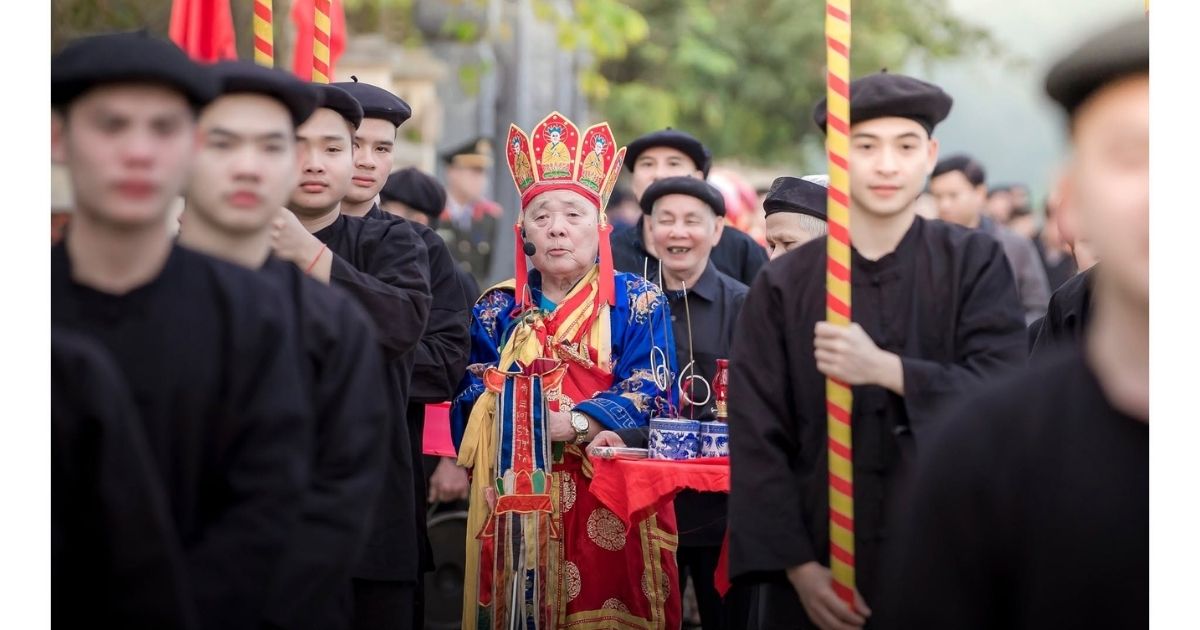 Figure 3: The deity procession ritual of the Tay people in Tuyen Quang Photo source: collected
The Ceremony of Giving Thanks to Heaven and Earth
The offering ceremony is usually presided over by a Tao priest, a Mo priest, or a respected figure in the community. Offerings such as five-color sticky rice, boiled chicken, banh chung, fruit, and rice wine are prepared to present to the deities.
Through this ritual, the community expresses gratitude toward heaven and earth and prays for favorable weather, thriving crops, and a bountiful harvest.
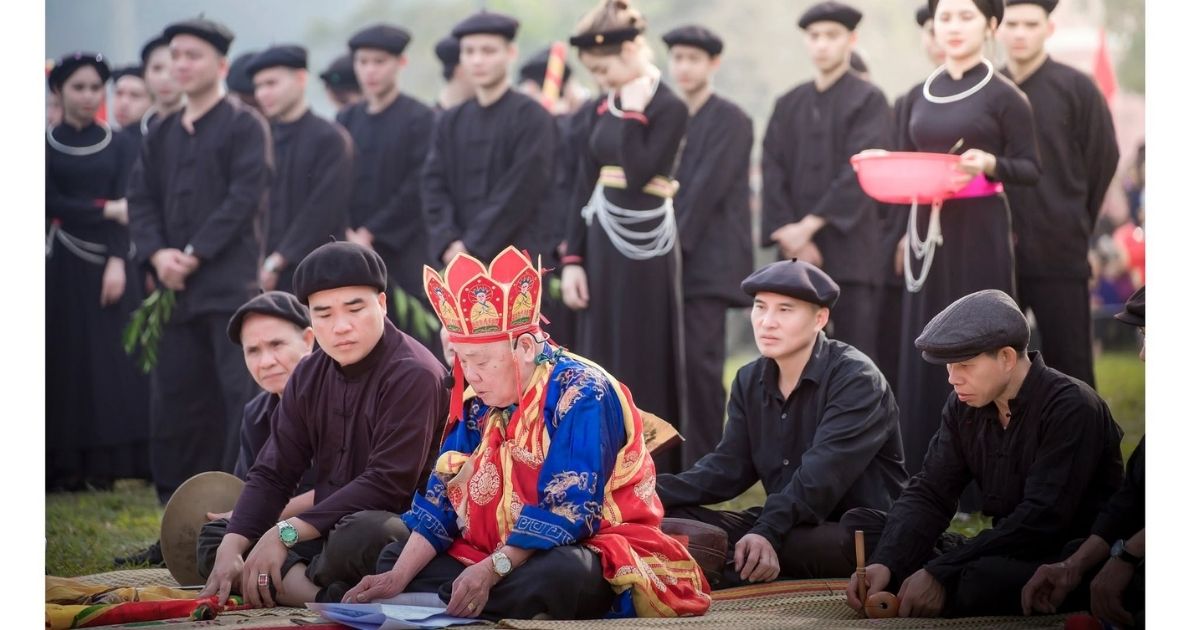 Figure 4: The ceremony of giving thanks to heaven and earth of the Tay people in Tuyen Quang Photo source: collected
The Rain-Praying Rite
Praying for rain is a rite tied to an agricultural community’s hopes for water and a good harvest. Those performing the ritual carry out symbolic gestures such as sprinkling water or using palm leaves to cast a blessing, expressing the wish for favorable rain from heaven and an abundant water supply so that plants can sprout and flourish.
The Going-Down-to-the-Fields Rite
The going-down-to-the-fields rite, also known as Tich Dien, marks the start of a new production season. The person chosen is usually a healthy farmer from a harmonious family with experience in farming.
He guides a buffalo to make the first furrow in the ceremonial field, opening the new crop season with hopes for favorable conditions and a bountiful harvest.
The Seed-Sowing Rite
After the first furrow, a community representative performs the rite of sowing rice and corn seeds into the field. This act symbolizes the sowing of life itself, while also expressing the wish for the seeds to sprout, the plants to grow, and the harvest to flourish in the new year.
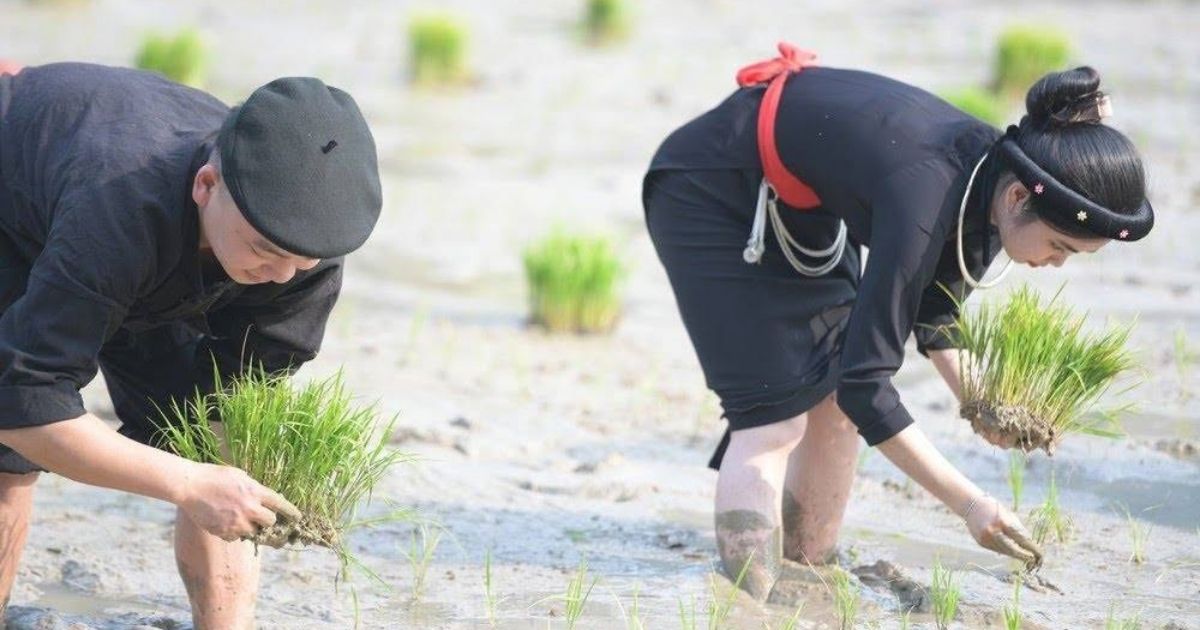 Figure 5: Villagers transplanting the first rice seedlings, hoping for a bountiful harvest Photo source: collected
3. The Colors That Shape the Cultural Space of Long Tong Among the Tay People of Tuyen Quang
If the rituals form the sacred part of the Long Tong Festival, then the offering trays, costumes, music, and folk games form the festive part, filling the festival space with vibrancy and identity.
This is also an occasion for the traditional cultural values of the Tay people to be vividly expressed through every dish, costume, song, and community activity.
3.1. The Offering Tray – Symbols of Agricultural Life
The offering tray at the Long Tong Festival is not only an offering to the deities but also reflects the production life and culinary culture of the Tay people.
Depending on the locality, the offering tray may include five-color sticky rice, boiled chicken, banh chung, pork, fruit, rice wine, and local specialties made by residents.
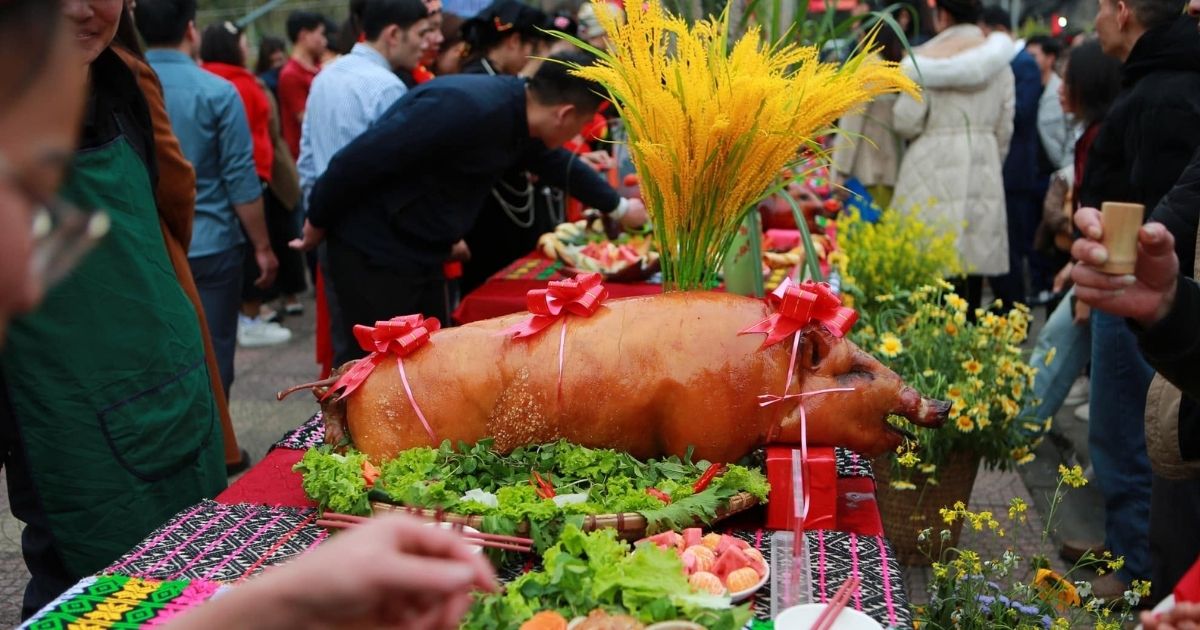 Figure 6: The offering tray of local residents presented to the deities. Photo source: collected
In particular, five-color sticky rice often stands out for its eye-catching colors, made from natural ingredients. These familiar offerings, from rice and meat to vegetables, fruit, and local specialties, all reflect the fruits of the people’s labor and their gratitude toward heaven and earth.
After the ritual, some of the offerings are shared among the community to enjoy together. Thus, the offering tray carries not only religious meaning but also becomes a symbol of abundance, sharing, and community bonding.
3.2. Traditional Costumes – Color in the Festival
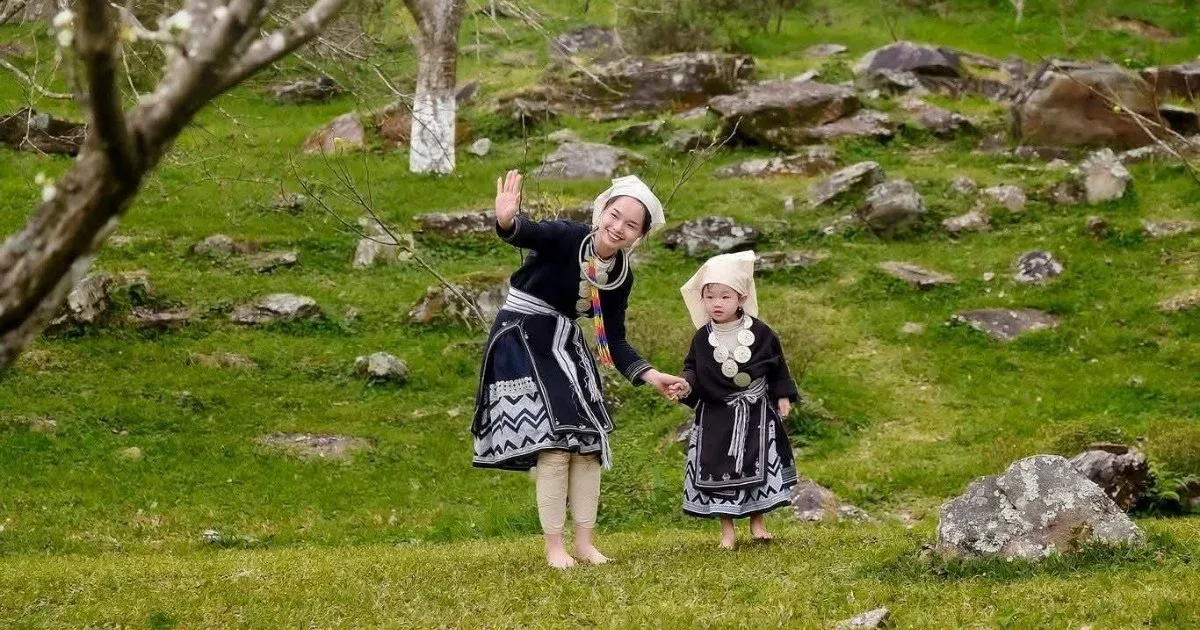
The Long Tong festival day is also an occasion for the Tay people to wear traditional costumes preserved across many generations.
These costumes, with their simple designs, distinctive colors, and accompanying accessories, create a unique beauty for the festival space.
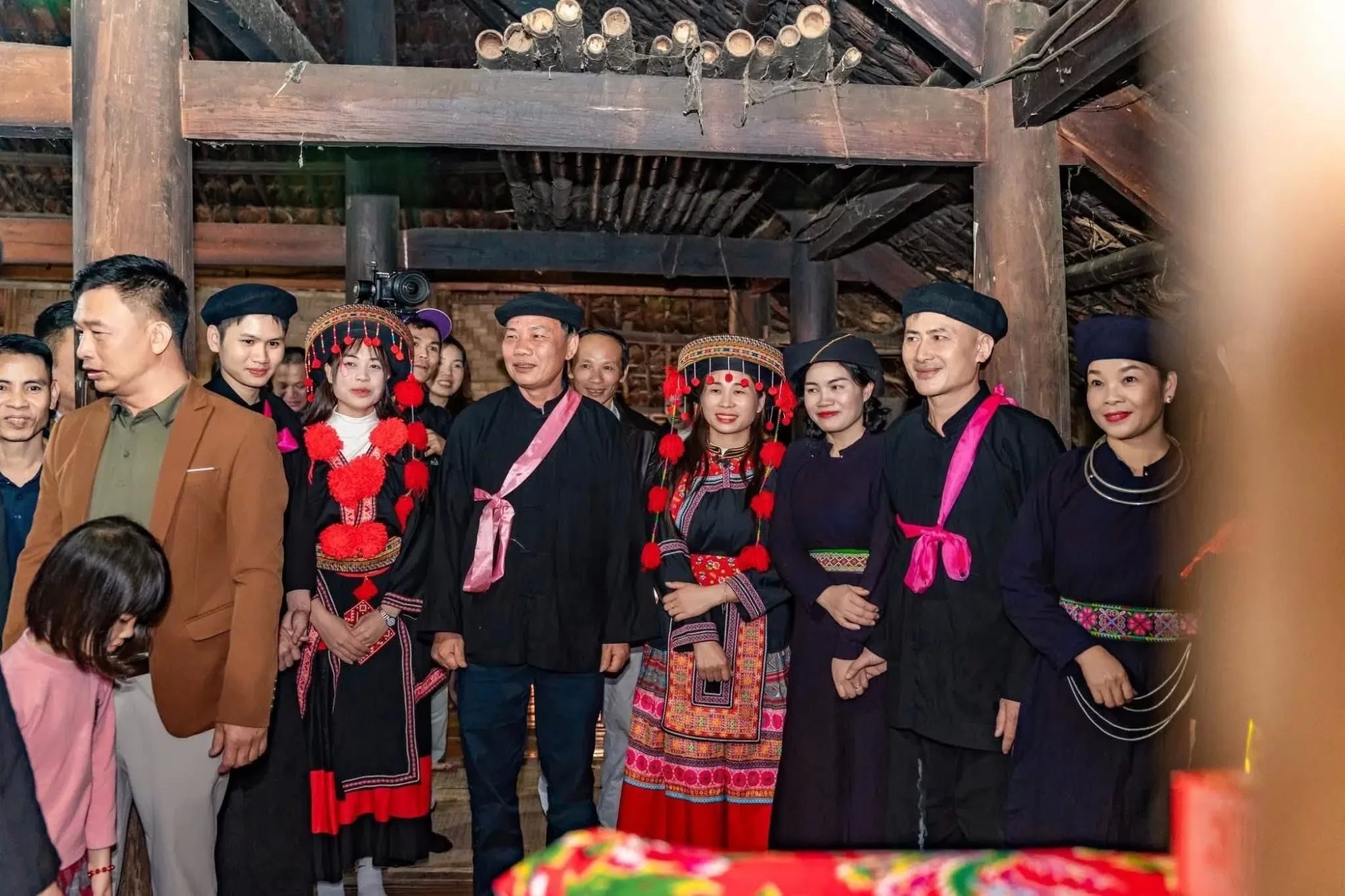
Tay women usually wear a traditional long dress, paired with a headscarf, jewelry, and matching accessories. Men also have traditional attire with a neat design, convenient for daily activities and for taking part in the festival’s events.
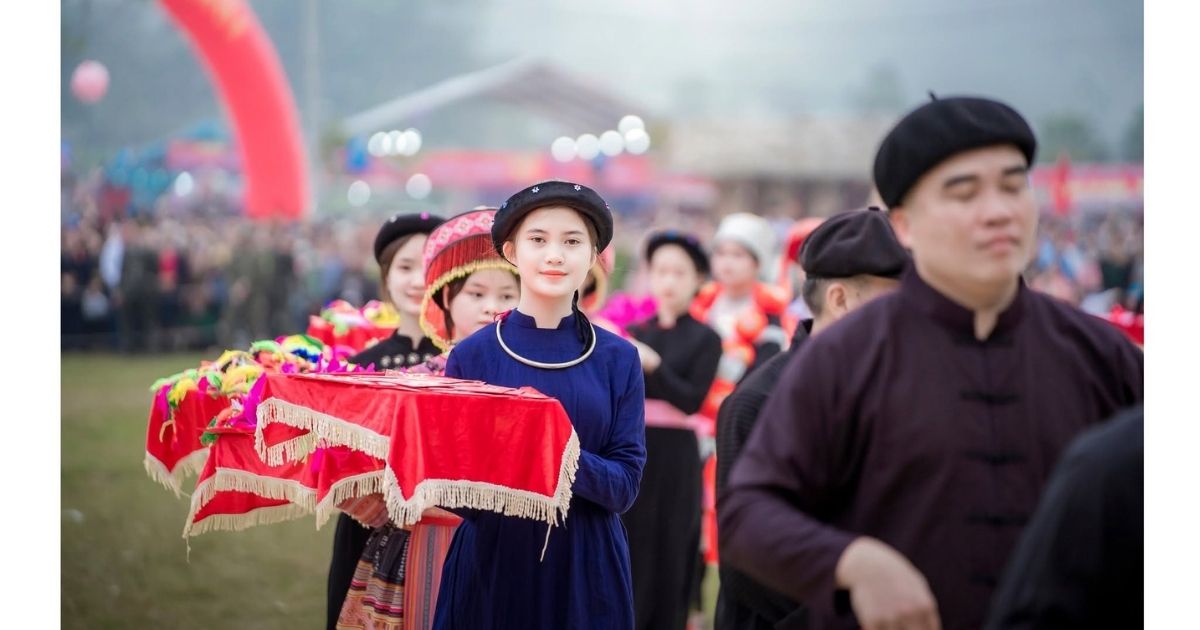 Figure 7: Traditional costumes of the Tay community in Tuyen Quang Photo source: collected
Amid the mountains and forests, the indigo hue of the costumes blends with the colors of the offerings, festival flags, and the spring landscape, creating a cultural picture that is both simple and full of vitality.
3.3. Then Singing and the Tinh Lute – Sounds That Call Spring Home
Music is an indispensable part of the spiritual life of the Tay people. Within the Long Tong space, Then singing and the tinh lute help create distinctive sounds, connecting people with the community and expressing good wishes for the new year.
The resonant sound of the tinh lute together with the Then melodies create an atmosphere that is both sacred and lively. Through the songs, the Tay people express their hopes for a peaceful life, a bountiful harvest, a happy family, and a prosperous community.
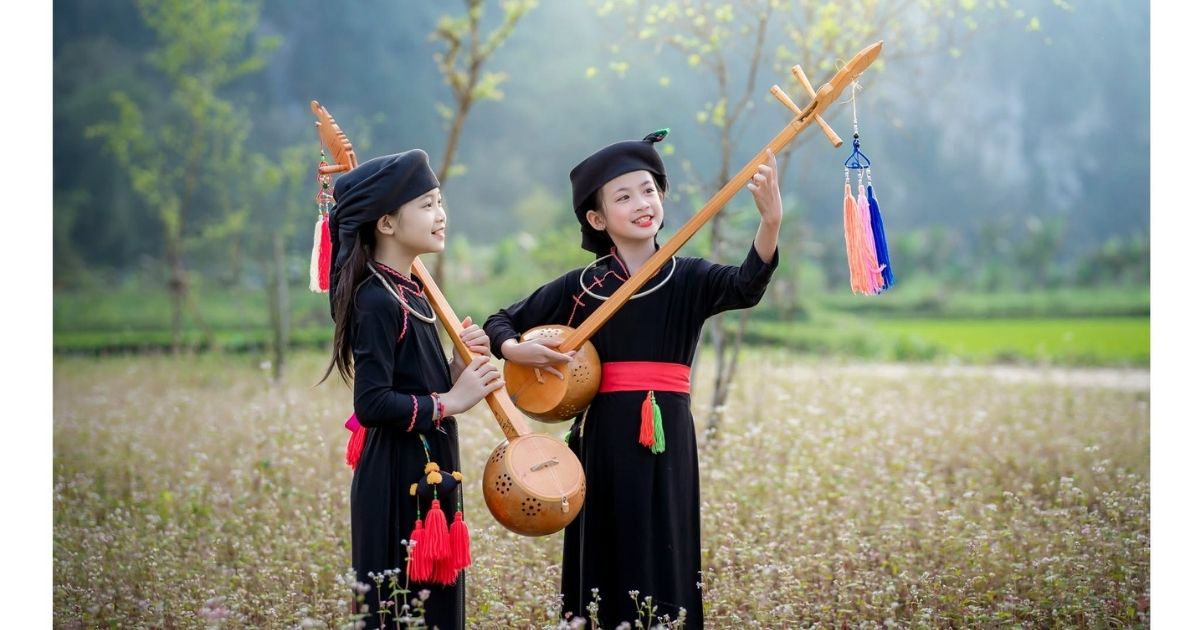 Figure 8: The tinh lute and Then singing, distinctive music of the Tay people in Tuyen Quang Photo source: collected
Beyond serving the festival, Then is also a distinctive cultural value of the Tay people. In 2019, Then Practices of the Tay, Nung, and Thai Peoples in Vietnam were inscribed by UNESCO on the Representative List of the Intangible Cultural Heritage of Humanity, helping affirm the value of this art form in the cultural life of these communities.
3.4. Folk Games – A Place for Community Bonding
After the solemn rituals, the Long Tong space becomes lively with many recreational and social activities. Depending on the locality, the festival may feature folk games such as con-ball throwing, tug of war, stick pushing, spinning tops, and blindfolded goat-catching, along with many other community activities.
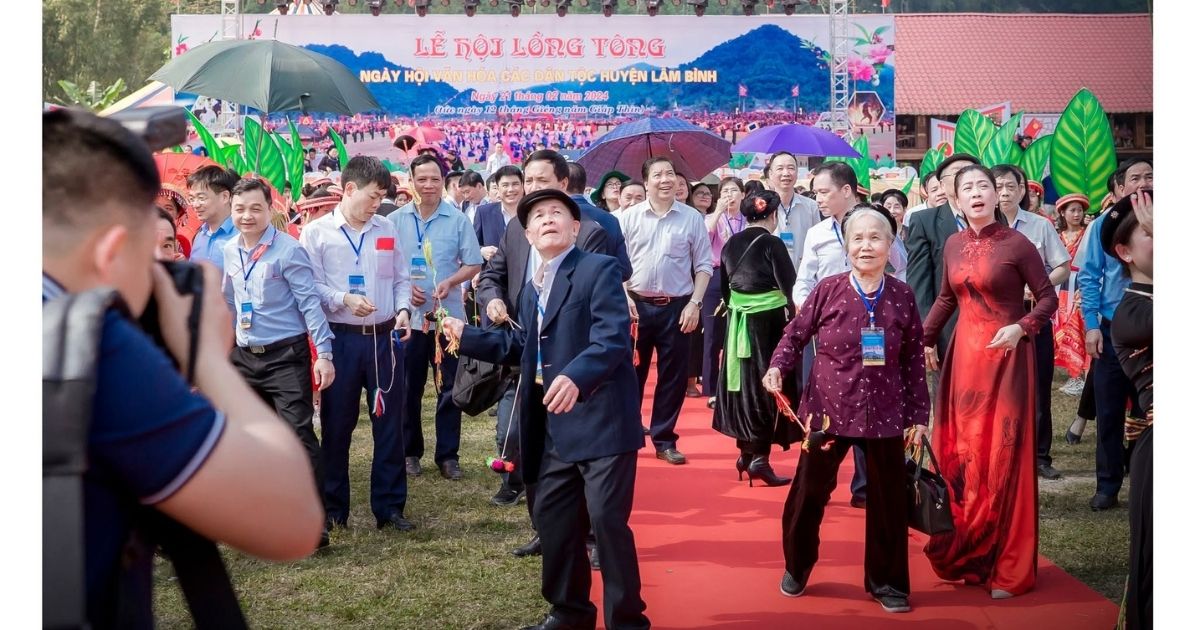 Figure 9: Villagers throwing the con ball, hoping for luck and fertility Photo source: collected
Among them, con-ball throwing is usually the most anticipated game. The colorful con balls tossed into the air amid the festival space not only create a joyful atmosphere but are also tied to beliefs and hopes for luck and fertility.
The games make no distinction of age, gender, or status. The elderly, young people, children, and even visitors can all take part, cheer, and chat together. As a result, Long Tong is not only a harvest-praying ritual but also becomes a space for meeting, socializing, and strengthening the bonds of the Tay community.
4. Long Tong in the Life of Tuyen Quang Today
4.1. A Traditional Festival Becomes a Cultural Meeting Point
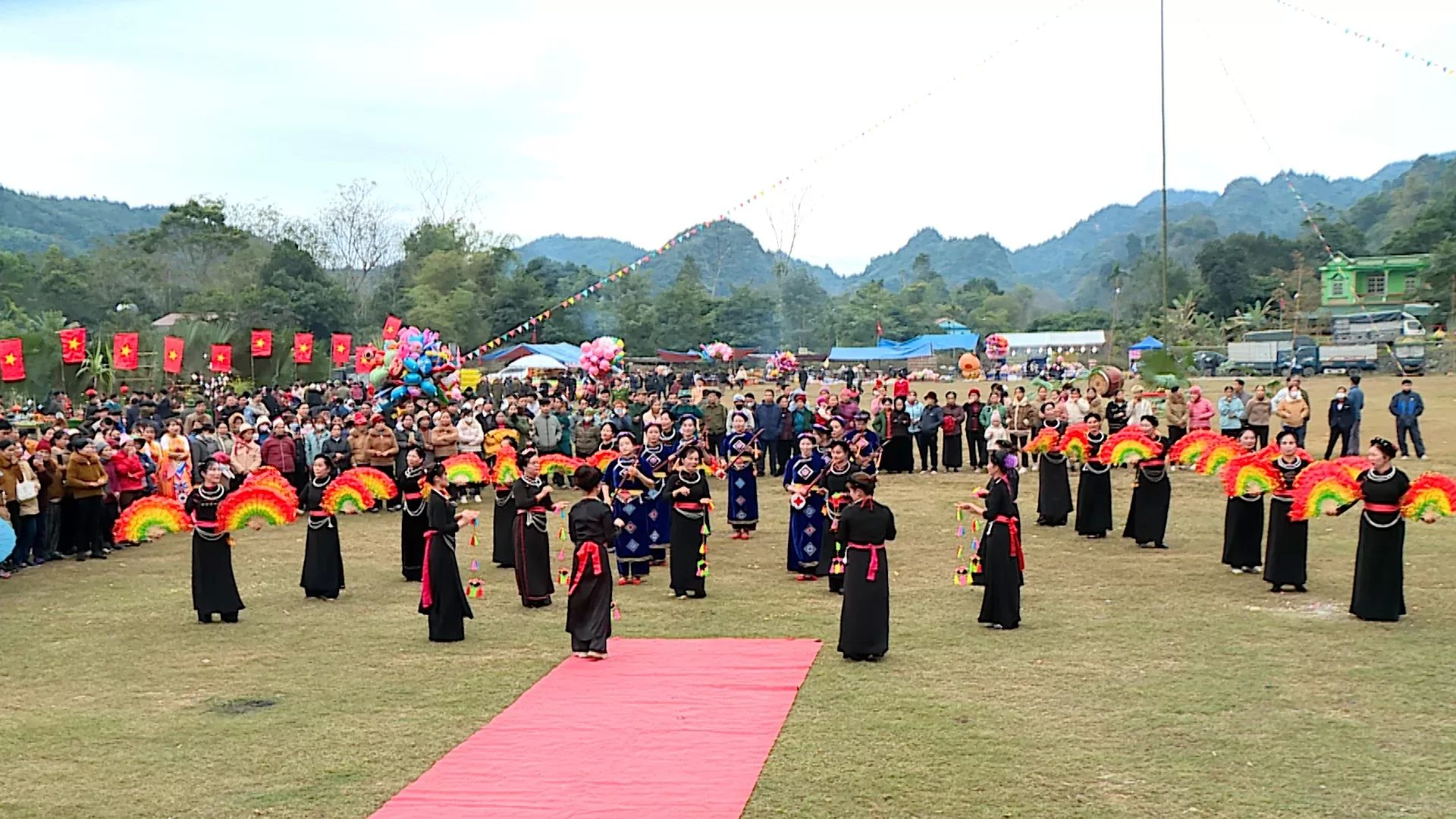
Today, Long Tong not only attracts local residents but has also become an occasion for visitors to learn about the culture, beliefs, and life of the Tay people. Within the festival space, traditional rituals take place alongside cultural performances, arts, and folk games, creating a picture of community life rich in identity.
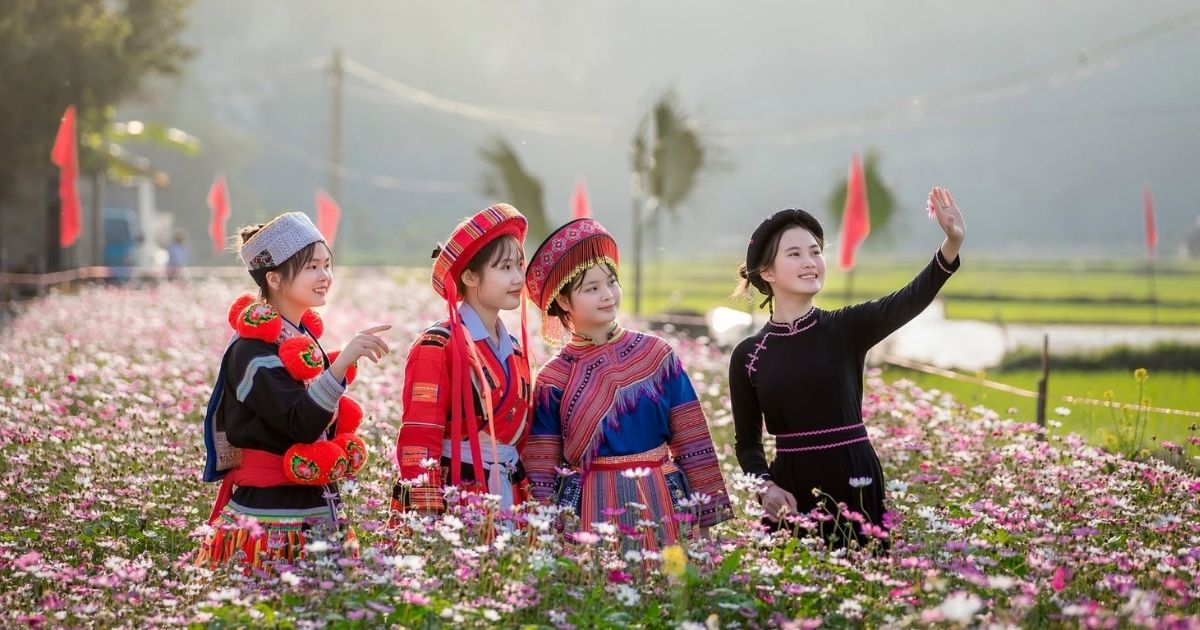 Figure 10: Ethnic communities preserving and promoting their traditional cultural identity Photo source: collected
This is also a time when different generations of the community take part in the festival together. Elders pass down customs, ritual practices, and stories tied to the festival to the younger generation. As a result, Long Tong is not only maintained as an annual event but also continues to live on in the community’s cultural life.
4.2. Visitors Discover Long Tong Through Local Experiences
For visitors, attending Long Tong offers the opportunity to experience Tay culture from within community life itself, rather than merely observing cultural values through display spaces.
Information on the Long Tong Festival in Thuong Lam:
- Time: The 7th or 8th day of the first lunar month every year.
- Location: Thuong Lam commune, Tuyen Quang.
Here, visitors can immerse themselves in the festival atmosphere and take part in many activities rich in local identity, such as:
- Throwing the con ball: Join in the joyful atmosphere of this folk game, tied to hopes for luck and fertility.
Enjoying local cuisine: Discover traditional dishes made from familiar ingredients of the Tuyen Quang mountains. - Enjoying Then singing and the tinh lute: Listen to Then melodies and the sound of the tinh lute – an important part of the Tay people’s spiritual and cultural life.
- Taking part in folk games: Mingle with local residents through traditional recreational activities, creating a space that connects the community with visitors.
- Receiving lucky money and lucky bags to welcome fortune at the start of the new year
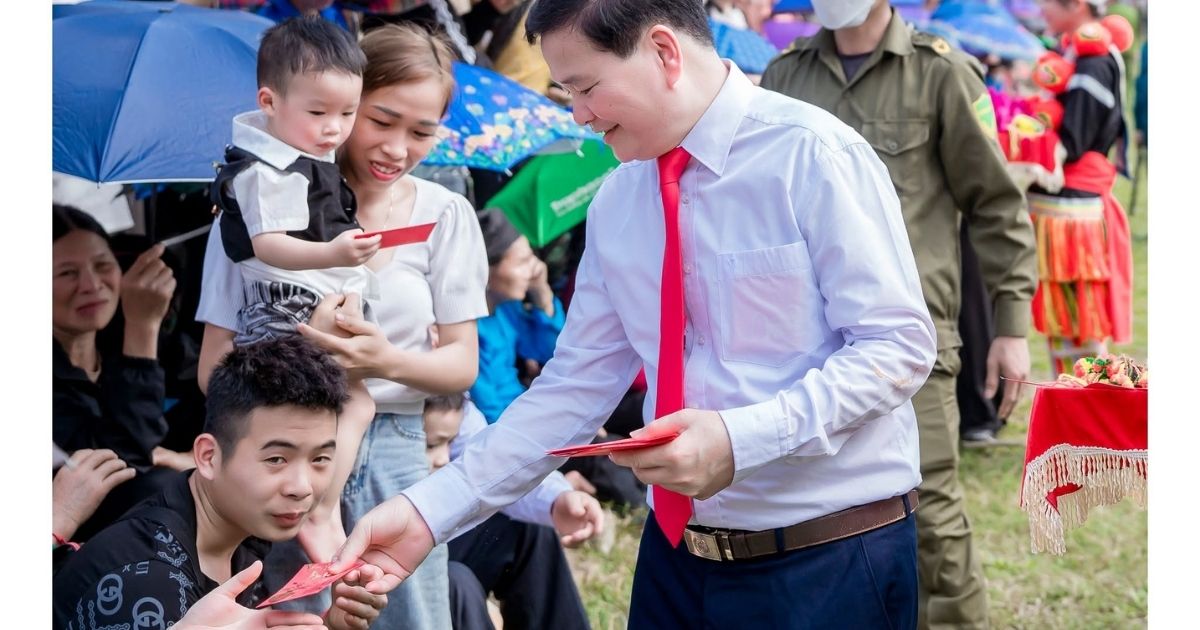 Figure 11: Giving lucky money, welcoming fortune and good things at the start of the year Photo source: collected
In particular, combining the festival with experiences in villages and stilt houses, enjoying local cuisine, and learning about traditional crafts makes the journey of discovering Tuyen Quang more vivid. Through these close-up experiences, visitors can sense that Tay culture exists not only on a single festival day but is also present in the community’s everyday rhythm of life.
4.3. Preserving the Soul of the Festival Amid Tourism Development
Long Tong has the potential to become a highlight in the development of cultural tourism in Tuyen Quang. However, bringing the festival closer to visitors must go hand in hand with preserving its authenticity and the community’s role as the rightful custodian.
The rituals must be respected in terms of meaning, sequence, and the space in which they are practiced; cultural elements unsuited to commercialization must be preserved. Local residents must also be participants and beneficiaries of tourism activities, rather than merely performers of culture for visitors.
When developed in an appropriate direction, tourism can become a driving force helping to preserve and spread Tay culture, while also creating additional livelihoods for the community. In that case, Long Tong will not remain merely a memory of an agricultural culture but will continue to be a living part of life in Tuyen Quang today.
From a harvest-praying ritual to community activities rich in identity, the Long Tong Festival reflects the worldview, beliefs, and aspirations of the Tay people of Tuyen Quang for a harmonious new year. This is not only a folk festival but also a bridge connecting tradition, community, and contemporary life.
To gain a deeper understanding of Tuyen Quang’s local culture, keep exploring authentic stories, customs, and experiences on the Hidden North Vietnam Blog.
See more:
- 18 Unique Tuyen Quang Specialties to Try and Buy as Gifts
- Vietnamese Tet Culture 15 Customs
- Responsible Travel: Preserving the Original Beauty of Highland Villages in Northern Vietnam
- Which Month Is Best to See the Le Hong Thai Pear Blossom Season? Tips for Choosing Outfits and Photo Spots
- Tuyen Quang Travel 2 Days 1 Night: Discovering the Most Beautiful Destinations in the Northeast
Hidden North Vietnam – Chau Hoang Linh Nga is proud to be a trusted travel companion, specializing in distinctive local travel products and experiences in the northern mountainous region of Vietnam, and in finding the best time to visit Na Hang Lake. If you are planning to explore this pristine beauty, please contact us using the information below so the Hidden North Vietnam team can quickly and promptly support you for a safe, convenient, and complete journey:
Website: Hidden North Vietnam
Hotline: (+84) 828 288 328
WhatsApp: (+84) 328 537 966