Packing tips for traveling in the northern mountains of Vietnam are a decisive factor in your comfort and safety throughout the journey. From changing weather and terrain to outdoor activities, everything requires proper preparation. Hidden North Vietnam will share a list of essential items and practical notes to help you get ready to explore the highlands.
1. Why careful packing is needed when traveling in the northern mountains
1.1. Mountain weather changes by season
The northern mountains of Vietnam are influenced by a tropical monsoon climate combined with complex hilly and mountainous terrain. Differences in altitude, mountain orientation, and the river and lake system create many different microclimates, causing the weather to change noticeably with each season of the year.
Typically, temperature drops by about 0.6°C for every 100 m of elevation, so areas above 1,000 m such as Hong Thai (Tuyen Quang) always have lower temperatures than the lowland areas.
1.1.1. Spring (February – April)
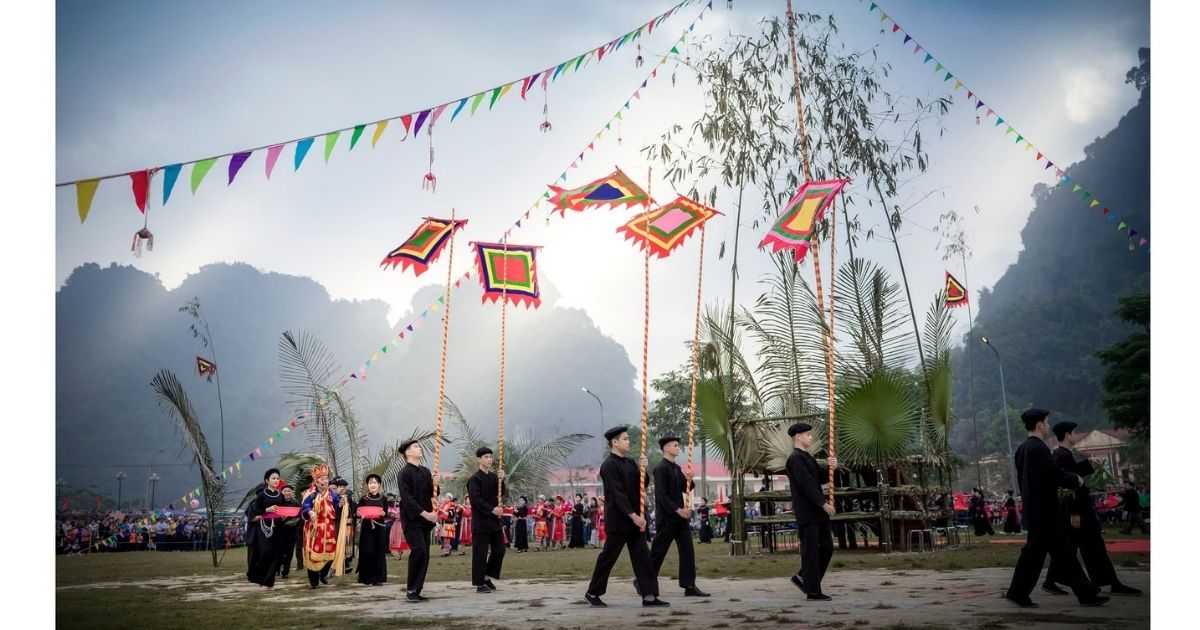
Spring brings cool weather and high humidity, sometimes with light drizzle and fog in the early morning. This is when trees turn lush green and many traditional festivals take place in highland villages. Visitors should prepare:
- A light jacket or windbreaker.
- A compact umbrella or raincoat.
- Non-slip shoes for walking on wet roads.
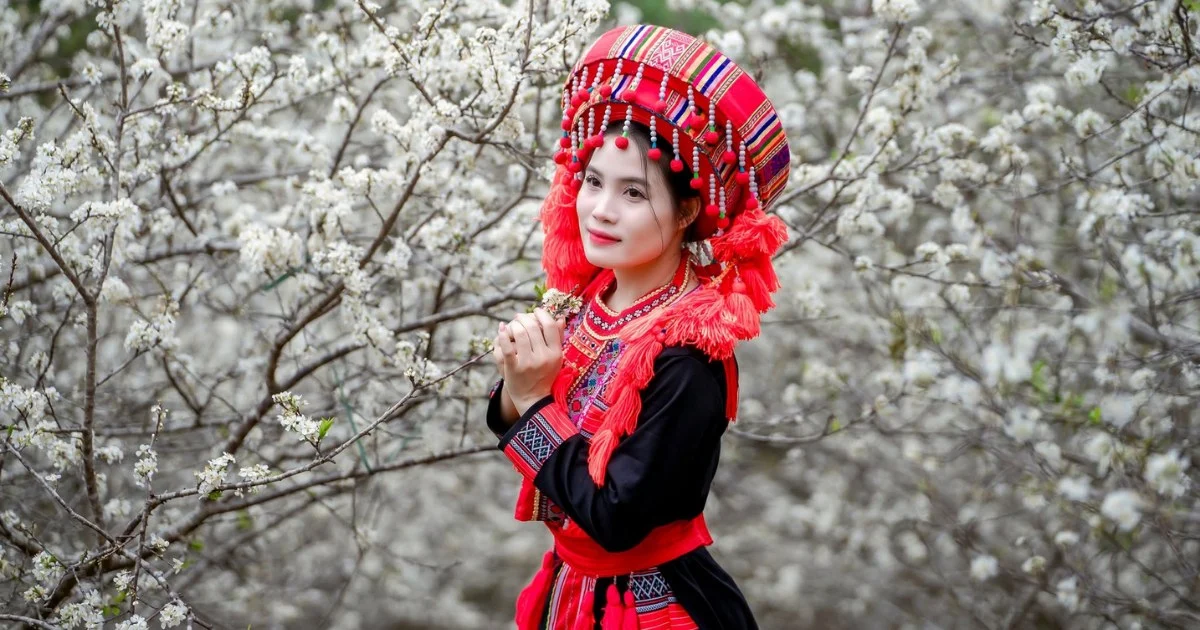
Figure 1: The Hong Thai pear blossom season, from around late February to mid-March each year
1.1.2. Summer (May – August)
Temperatures in the mountains are usually lower than in the lowlands, making the weather quite pleasant and suitable for trekking, boating, exploring waterfalls, and relaxing. However, this is also the rainy season, and heavy rain can occur in the afternoon or evening. Visitors should prepare:
- Light, quick-dry, sweat-absorbent clothing.
- A hat, sunglasses, and sunscreen.
- A waterproof bag for your phone and camera.
- A raincoat and shoes with good grip.
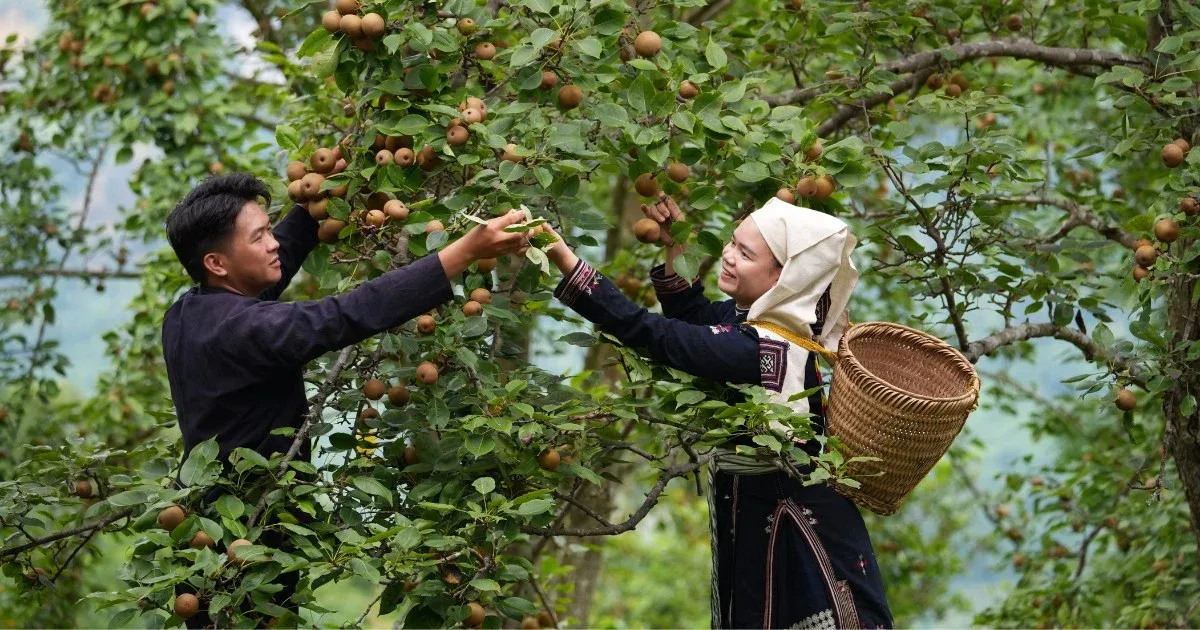
Figure 3: The Hong Thai (Tuyen Quang) pear harvest season, from around July to August
1.1.3. Autumn (September – November)
Autumn is loved by many visitors thanks to its dry weather, clear blue skies, and cool air. This is also the ideal time to admire golden ripe terraced rice fields in many localities of the northern mountains. Visitors should prepare:
- Light, long-sleeved clothing.
- A light jacket to wear in the early morning and evening, as the weather turns cool during this period.
- A camera or spare battery to capture the beautiful scenery.
1.1.4. Winter (December – January)
Winter brings low temperatures, and areas above 1,000 m in particular can experience thick fog, frost, or hoarfrost. This is a suitable time for cloud-hunting, sightseeing, and experiencing the distinctive atmosphere of the high mountains. Visitors should prepare:
- A thermal shirt, a thick jacket, or a padded coat.
- A scarf, a wool hat, and gloves.
- Thick socks and non-slip shoes.
- Moisturizing cream and lip balm to protect skin in cold, dry weather.
1.1.5. Notes before your trip
Before departure, visitors should check the weather forecast at their destination to proactively pack and adjust their itinerary. During the rainy season, travel through areas at risk of landslides or flooding should be limited, and visitors should follow the guidance of local authorities and tour operators to ensure safety.
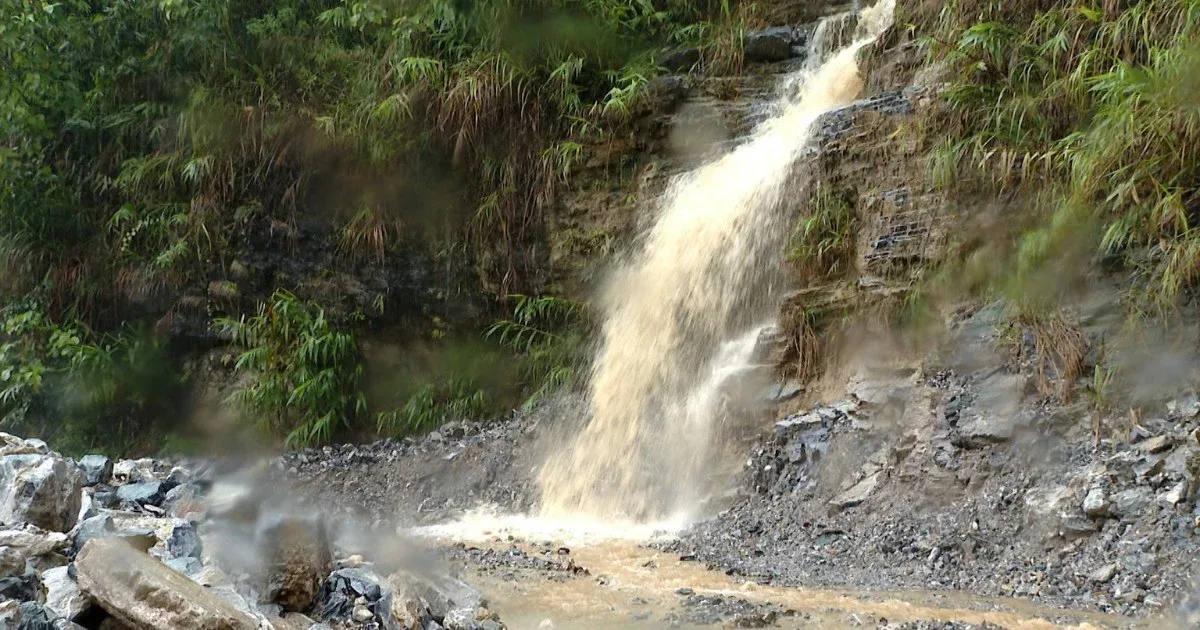
Figure 3: A landslide in Lam Binh, Tuyen Quang Photo source: collected
1.2. Diverse terrain from hills and mountains to waterfalls and forests
The northern mountains of Vietnam feature diverse terrain, including high mountains, primeval forests, waterfalls, natural lakes, and winding mountain passes. Each type of terrain has its own characteristics, so packing appropriately will make your trip safer and more convenient.
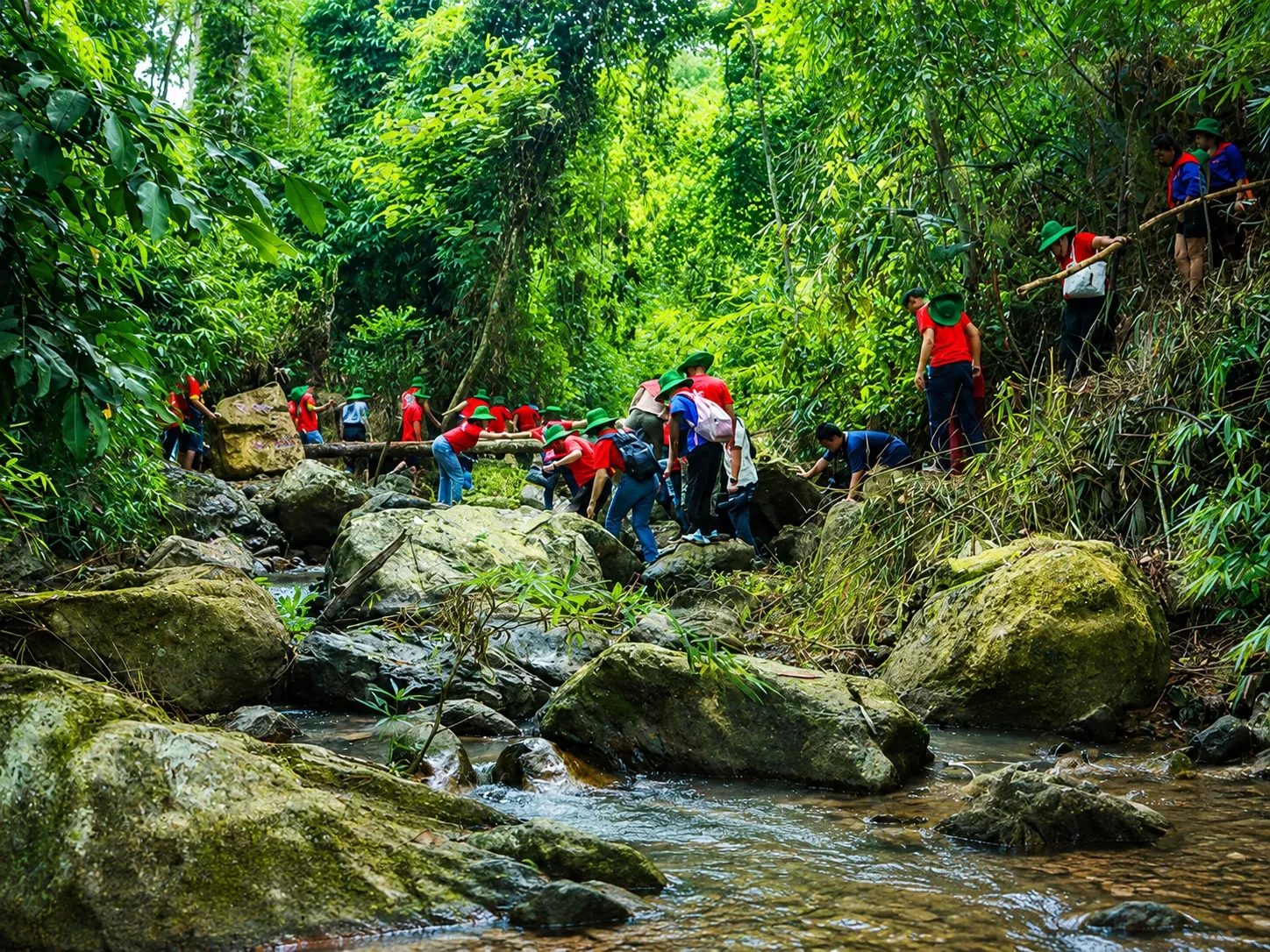
1.2.1. Hilly, mountainous terrain and trekking routes
Climbing or trekking routes often have many steep sections, rugged rocks, and slippery ground after rain. Visitors should prepare:
- Hiking boots or sports shoes with good grip
- Stretchy, sweat-absorbent, quick-dry clothing
- A trekking pole (for long-distance travel)
- A lightweight backpack with a supportive waist strap
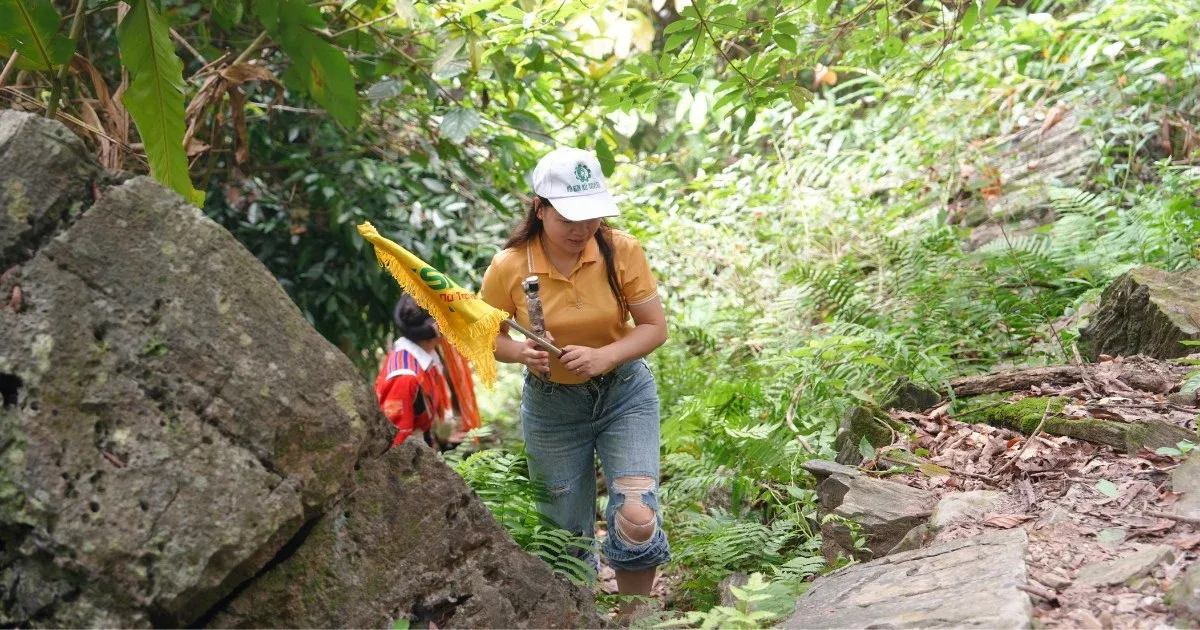
Figure 4: A hiking section before reaching the top of Khuoi Nhi waterfall
1.2.2. Waterfalls, lakes, and streams
Many famous destinations such as Na Hang – Lam Binh offer boating, waterfall bathing, SUP, and kayaking activities. Items visitors should bring include:
- A waterproof bag for phone, camera, and documents
- Non-slip sandals or flip-flops
- Spare clothing and a quick-dry towel
- A bag for wet clothes
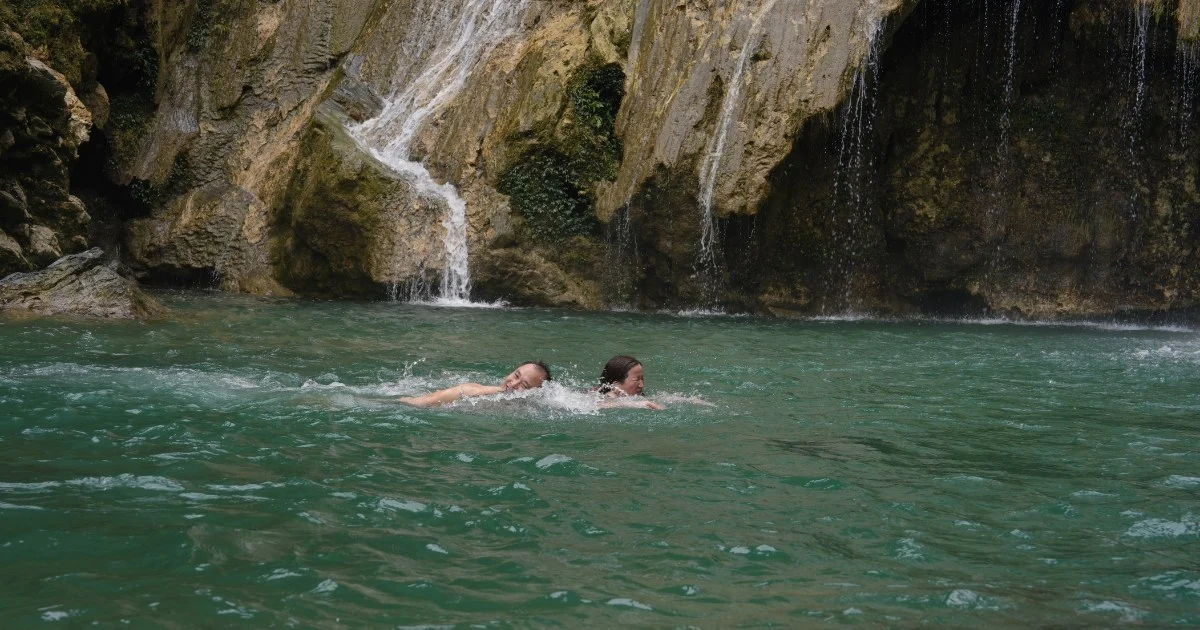
Figure 5: Visitors cooling off at Khuoi Nhi waterfall
1.2.3. Forests and areas with many insects
When exploring villages deep in the mountains or primeval forests, visitors should prepare:
- Insect repellent medicine or spray
- Sunscreen and a wide-brimmed hat
- A first-aid kit or personal medication
- A handheld flashlight or headlamp if traveling in the early morning or evening.
1.2.4. Notes when traveling to destinations by elevation
Destinations at an elevation above 1,000 m, such as Hong Thai (Tuyen Quang), usually have lower temperatures than the lowlands. Therefore, you should also bring:
- A thermal jacket or windbreaker
- A scarf, wool hat, and gloves (in winter)
- Thick socks to keep your feet warm
2. Mistakes to avoid when packing for a trip to the northern mountains
2.1. Using a suitcase instead of a backpack
Many visitors are used to using a rolling suitcase when traveling. However, for destinations in the northern mountains, a suitcase is not a suitable choice, as it requires moving over many steps, dirt roads, rocky paths, or steep sections. Instead, a backpack with a capacity of 20–40 liters, water-resistant, and with a supportive waist strap will make travel more convenient, flexible, and reduce strain on your shoulders throughout the journey.
2.2. Bringing too many clothes and unnecessary items
One common mistake is packing too many clothes or items “just in case,” making luggage bulky and hard to carry. Instead of bringing a lot of items, visitors should choose versatile clothing made of quick-dry material that is easy to mix and match and suited to the weather at the destination.
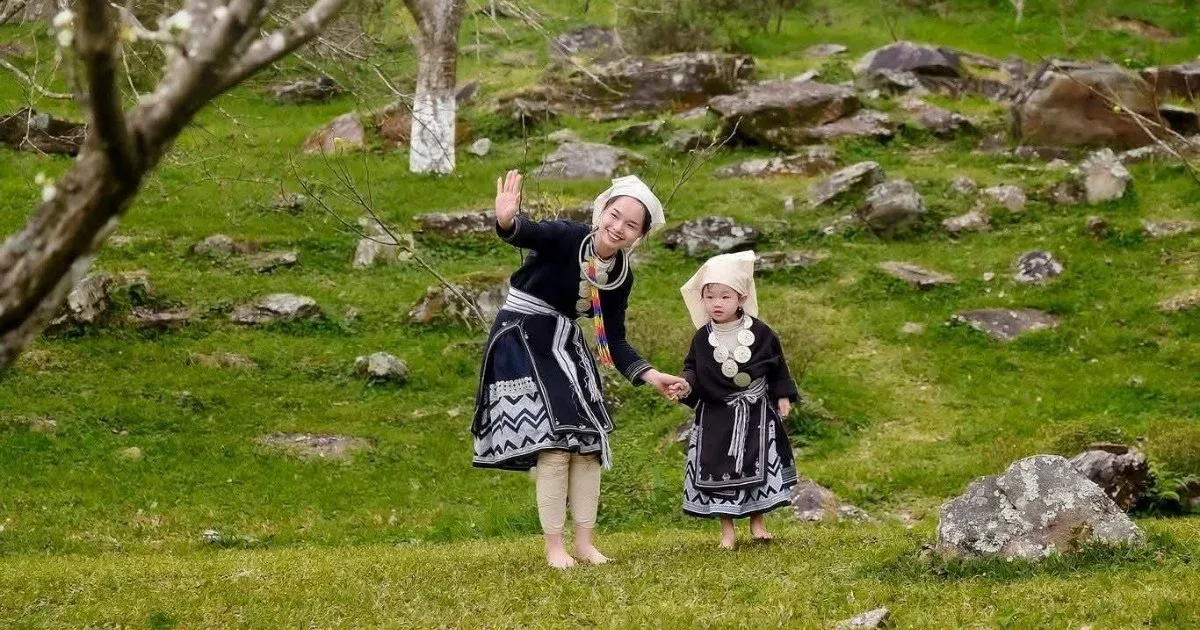
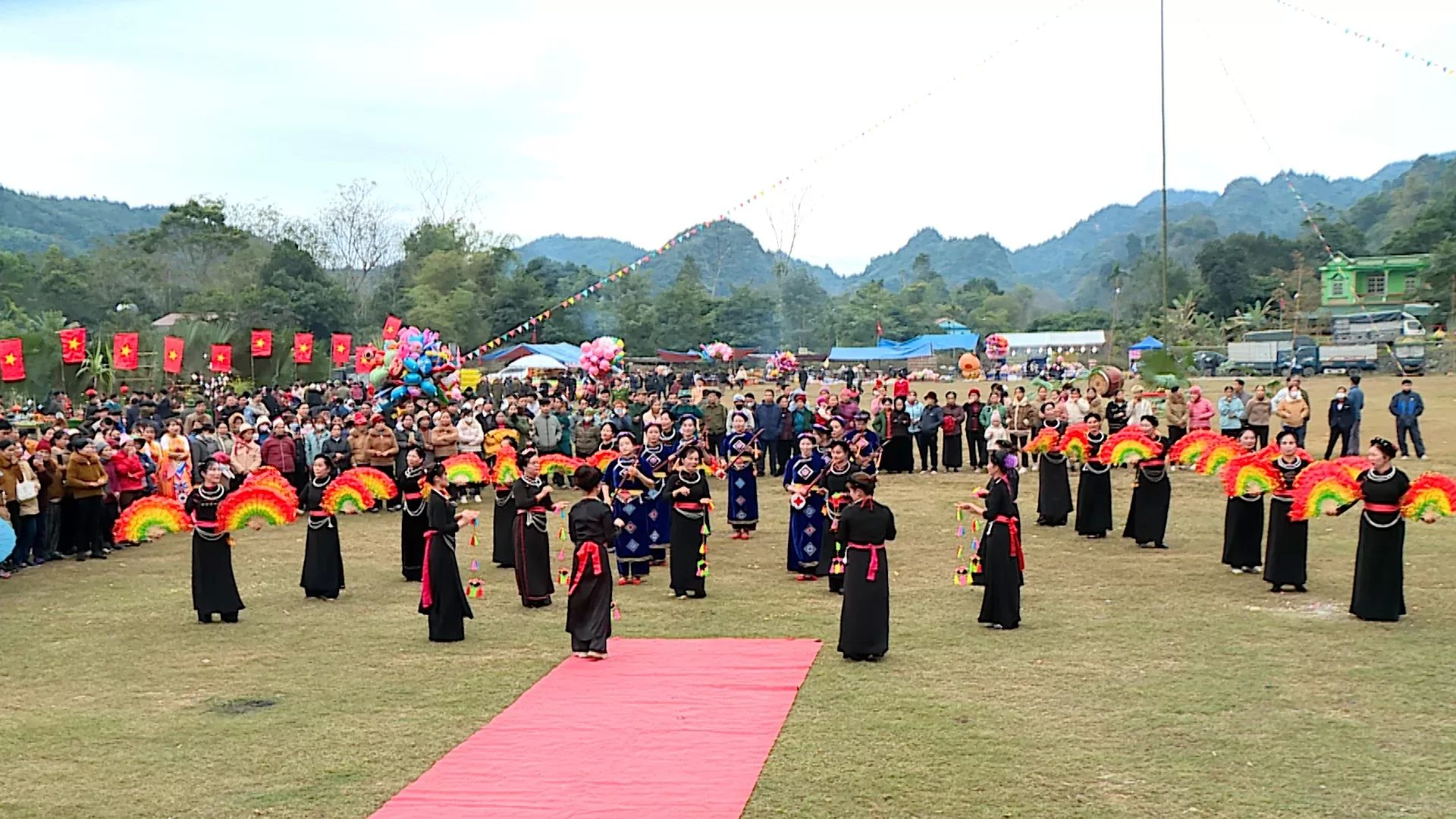
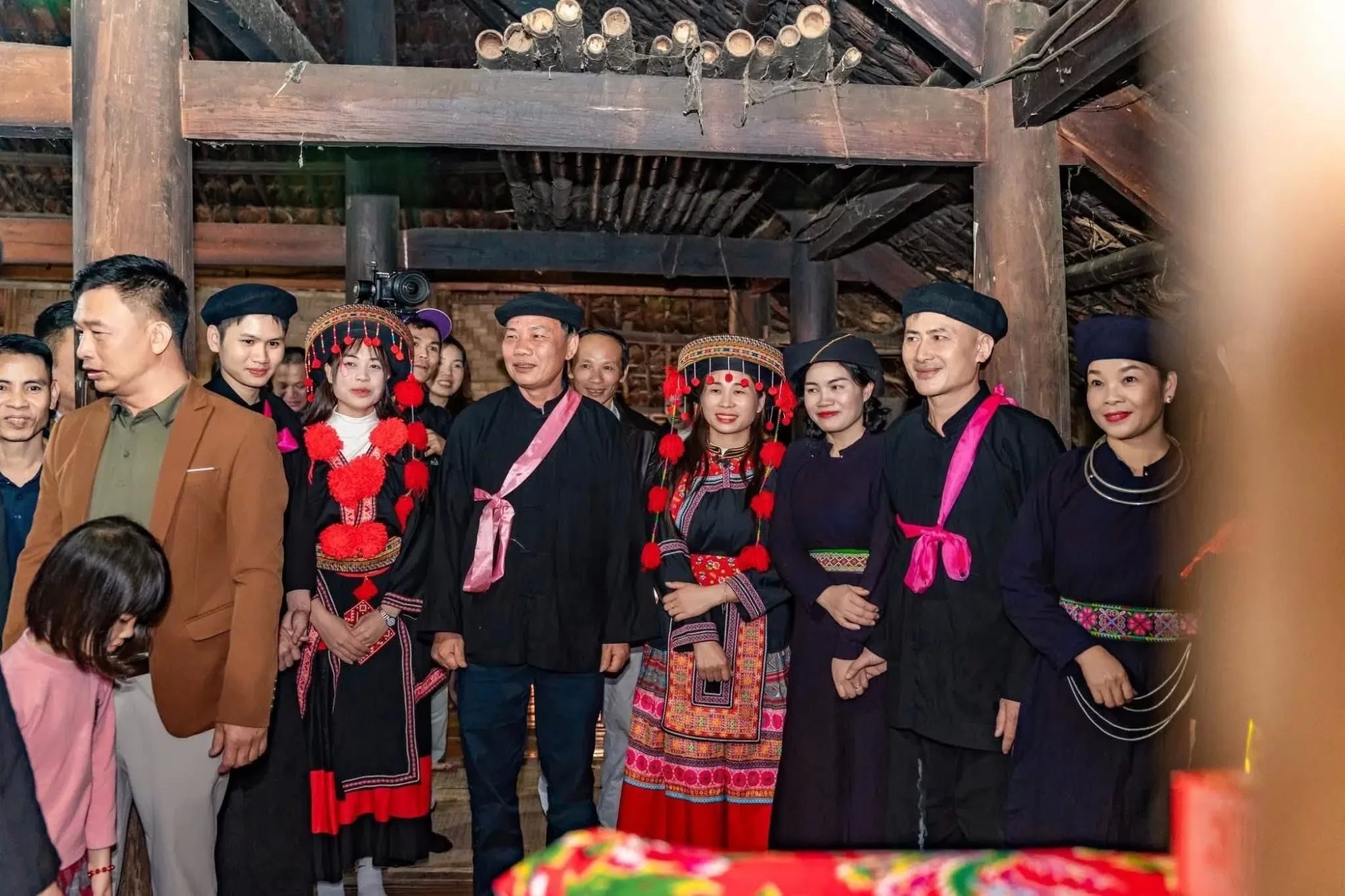
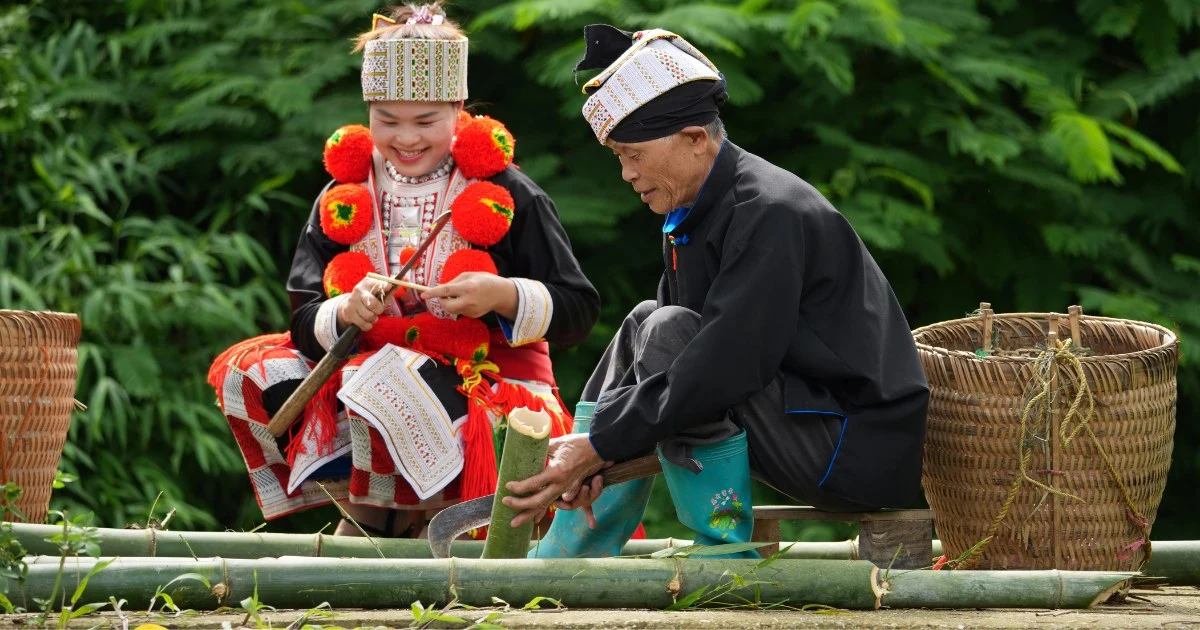
In addition, many visitors want to capture memorable photos in traditional ethnic costumes, so they often prepare these in advance in big cities and carry them throughout the trip.
However, this also makes luggage bulkier. Visitors can instead choose costume rental services available right at the destination. Many localities now offer a variety of traditional costumes of ethnic groups such as:
Tay, Pa Then, H’Mong, Dao, Muong, and more, which is both convenient, saves luggage space, and helps create a more authentic local cultural experience while supporting the livelihoods of local residents.
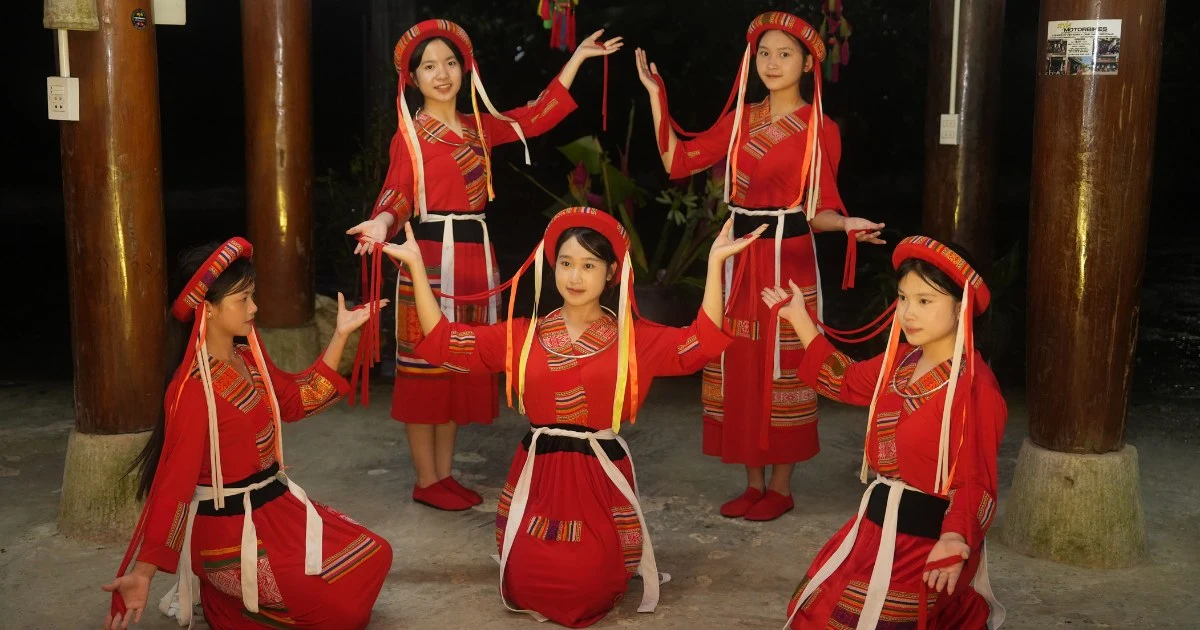
Figure 7: Traditional costume of the Pa Then community
2.3. Not bringing a raincoat or waterproof gear
Mountain weather can change quickly, especially in summer and the rainy season. Sudden rain showers can affect your itinerary if you are not prepared. So bring a compact raincoat, a waterproof jacket, or a folding umbrella to proactively cope with the weather.
2.4. Not bringing a waterproof bag for electronic devices
Phones, cameras, spare batteries, and personal documents are easily damaged by rain or during activities such as boating, kayaking, or exploring waterfalls. A waterproof bag or a moisture-proof zip bag will help protect your important items and reduce unnecessary risks during the trip.
2.5. Wearing new or unsuitable shoes
Many people choose to wear new shoes on a trip hoping for nice photos. However, unworn shoes often cause blisters, sore heels, or make it difficult to move on hilly and mountainous terrain. Prioritize shoes you are already used to wearing, with good grip, non-slip soles, and suited to activities such as trekking or long-distance walking.
2.6. Not bringing personal medication and medical supplies
In some highland areas, pharmacies or medical facilities can be quite far from where you are staying. Therefore, visitors should prepare a personal first-aid kit including cold medicine, stomach medicine, allergy medicine, adhesive bandages, antiseptic, insect repellent, and any medication prescribed by a doctor (if applicable).
2.7. Not checking the weather forecast before departure
From 2–3 days before your trip, you should follow the weather forecast at your destination to adjust your itinerary and prepare clothing, footwear, and other necessary items suited to actual conditions.
Packing the right items not only makes the trip more convenient but also brings a fuller experience of the nature and culture of the highlands. We hope these packing tips for traveling in the northern mountains of Vietnam will help you feel confident for your upcoming journey. Don’t forget to follow the Hidden North Vietnam Blog to discover more guides, experiences, and useful itineraries for trips to the northern mountains.
See more:
- The A-to-Z Guide to Traveling Na Hang Lam Binh Lake for First-Timers
- Private Tour or Group Tour – Which Is the Right Choice for You
- Packing Tips for Traveling in the Northern Mountains of Vietnam
- Responsible Travel – Preserving the Original Beauty of Highland Villages in Northern Vietnam
- Unique Heritage of the Northeast – Tay Brocade Weaving in Tuyen Quang
Hidden North Vietnam – Chau Hoang Linh Nga proudly serves as a trustworthy travel companion, specializing in distinctive local travel products and experiences in the northern mountainous region of Vietnam, and finding the best time to travel to Na Hang Lake. If you are planning to explore that pristine beauty, please reach out through the contact information below so the Hidden North Vietnam team can quickly and promptly support you for a safe, convenient, and complete journey:
Website: Hidden North Vietnam
Hotline: (+84) 828 288 328
WhatsApp: (+84) 328 537 966